
Welcome to AstrologyOz
Apologies to all those who rely on this resource.. I have had major server issues which are now hopefully fully resolved.... after 4 months... I will be updating everything over the next week .... so thanks for your patience :)
|
|
|
World
News 2014
|

|
All your planetary data for 2014 is here now Planetary stations , Void of Course Moon , Moon phases and Planet Ingresses for 2014 plus Moon Planting Guide |

|
Jan - April 2014 Planting Guide
,
plus 2014 Moon phases,Planet Ingresses and retrogrades,
|
A beginner’s guide to electional astrology for important eventsElectional astrology is the practice of choosing a favourable time to begin something important. Instead of analysing the chart for a birth that has already happened, you select the moment when an event, agreement, journey, business, or public launch begins. The chosen chart is treated as a symbolic map for the life of that undertaking. Learn more about Deser Z Chia I Mlekiem Roslinnym Blyskawiczny Pudding. The method can be useful for weddings, signing contracts, opening a shop, launching a website, starting a course, making a major purchase, or scheduling a formal announcement. It does not remove practical risks or guarantee an outcome. Rather, it helps you coordinate intention, timing, and the prevailing planetary conditions. For readers in Australia, timing also means handling local time zones carefully. Sydney and Melbourne move between AEST and AEDT, while Brisbane remains on AEST throughout the year. A chart cast for Perth, Adelaide, Canberra, or Hobart can therefore differ substantially from one calculated in another state, particularly around daylight-saving changes. What electional astrology is designed to doA selected chart should reflect the purpose of the event. For a wedding, you may prioritise harmony, cooperation, and durability. For a business launch, visibility, strong communication, and financial stability may matter more. A medical procedure requires a different approach from a house move or a job interview. The event’s true beginning must also be defined. Is it the moment a website becomes publicly accessible, when a contract is signed, when the first customer pays, or when the owner announces the business? Clear definitions prevent confusion and make the planetary symbolism more relevant. Electional work is best used alongside ordinary planning. Venue availability, legal deadlines, weather, transport, staffing, and personal readiness still take priority. Astrology can help choose between workable options; it should not encourage unsafe decisions or cause someone to ignore professional advice. The planetary factors beginners should watchThe Moon is often the first consideration because it describes movement, public response, and the development of circumstances. Many practitioners prefer a waxing Moon for growth-oriented ventures, while a waning Moon may suit completion, decluttering, closure, or reducing an obligation. The Moon’s sign and applying aspects add further detail. A Void of Course Moon is commonly treated with caution for beginnings, especially when the intention is to establish something that should develop in a predictable way. Yet it is not automatically negative for every activity. Rest, reflection, routine maintenance, and matters expected to remain unchanged can sometimes fit its symbolism. Mercury deserves attention for documents, launches, negotiations, technology, and travel. Venus can be important for relationships, design, art, hospitality, and money exchanged through attraction or goodwill. Mars may support decisive action, but it can also describe conflict, haste, or accidents when poorly placed. How to choose a workable date and timeStart by listing the dates and hours that are genuinely possible. Then remove periods affected by unavailable venues, business closures, school holidays, or critical deadlines. In Australia, a ceremony planned for a summer evening in Sydney may require a different calculation from one held in Brisbane, even if the clock time appears identical. Next, check planetary stations, retrograde periods, ingresses, lunar phases, and the Moon’s sign. A retrograde planet is not an automatic veto, but it may describe revision, return, delay, or a process that develops in stages. If the event concerns a previously developed project, a retrograde period may sometimes mirror a relaunch or review more naturally than a first beginning.
The Ascendant and its ruler describe the person or project initiating the event. The seventh house can represent clients, partners, or the public, while the tenth house is relevant to reputation and achievement. Beginners do not need to interpret every point in a chart; a few coherent indicators are usually more useful than a long list of minor factors. Using planetary data in an Australian settingAccurate astronomical data is essential. A date can look favourable until the exact station time, location, or daylight-saving adjustment changes the chart. An independently maintained resource such as AstrologyOz resources can help readers follow Australian-focused material on lunar phases, planetary ingresses, retrogrades, and Void of Course Moon periods. Check the location entered into your astrology software and confirm whether the time is AEDT, AEST, ACST, or AWST. South Australia and the Northern Territory use different standard offsets from the eastern states, and Western Australia follows its own local time. If an event crosses midnight or is broadcast nationally, record the precise location and local clock time rather than relying on a vague date. Electional astrology also works well with Australia’s practical scheduling culture. A “no worries” attitude can make informal plans flexible, but a wedding, council opening, campaign launch, or property settlement often has fixed administrative constraints. Treat those constraints as the framework within which astrological refinement takes place. A simple process for beginnersUse a shortlist rather than searching for a mythical perfect chart. Compare two or three realistic times, identify the strongest common features, and note what each option sacrifices. A chart with a dignified Moon and manageable angles may be preferable to one with impressive symbolism that requires an impossible start time. For a helpful reference point, readers can review planetary data pages when checking stations, ingresses, retrogrades, and lunar timing. Keep a written record of the date, location, time zone, event definition, and reasons for your selection. This makes the process repeatable and allows later reflection. The chosen time should be communicated to everyone involved. If a business launch begins with a technical upload, make sure the developer knows the exact window. If a ceremony is scheduled for a particular moment, allow guests, celebrants, photographers, and transport providers enough preparation time. Symbolic precision should not create practical chaos. Practical recommendations for your first election
A thoughtfully chosen moment can give an important event a strong symbolic beginning while leaving room for ordinary human judgement. Test the method with a manageable project, consult reliable planetary information, and make the final decision only after practical arrangements are secure. For a small launch, gathering, or plant-based dessert event, even details such as preparing a quick chia pudding can become part of a clear, intentional schedule. Use the chart as a timing tool, then put the chosen moment into action. |
|
|
|
Benedict
XVI resigns 2013
|

|
|
|
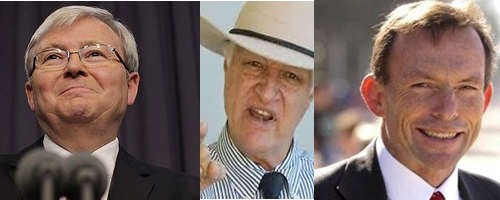
Election
2013- take 2
|
|
|
|
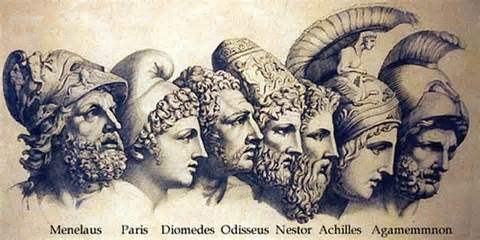
Turkey
Unrest 2013
|
|
|
|
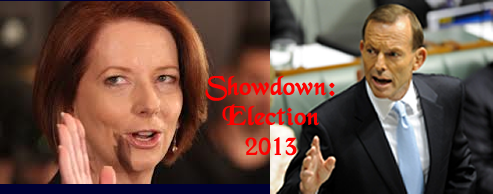
Election
2013
|
|
|
|
World
News 2013
|

|
|
|
Serialised
story of the greates ship of her time and
|

|
|
|
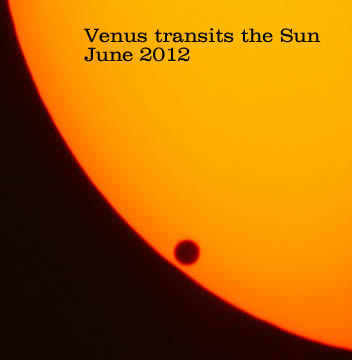
Venus
transits the Sun
|

|
For all your horoscopes, we recommend Ed Tamplin's excellent astrology site.

|
Astrology Oz is best viewed using firefox, screen resolution 1280x1024, macromedia flash enabled.
Firefox - the only browser that gives total control over web browsing, see what you want to see - download firefox

© AstrologyOz 2014
All articles and images on this site are subject to copyright and may not be copied, stored or modified in any way.
AstrologyOz - designed and maintained by Sherrynne Dalby