
Welcome to AstrologyOz
Apologies to all those who rely on this resource.. I have had major server issues which are now hopefully fully resolved.... after 4 months... I will be updating everything over the next week .... so thanks for your patience :)
|
|
|
World
News 2014
|

|
All your planetary data for 2014 is here now Planetary stations , Void of Course Moon , Moon phases and Planet Ingresses for 2014 plus Moon Planting Guide |

|
Jan - April 2014 Planting Guide
,
plus 2014 Moon phases,Planet Ingresses and retrogrades,
|
Best meditation times for 2025 void moonsCultivating calm can fit neatly into an astrological schedule. The traditional void of course Moon marks the interval after the Moon completes its last major aspect and before it changes sign. Many astrologers favour inward work during it: meditation, breathing, visualisation and reflective journalling. The 2025 void of course Moon periods become more useful when translated into Australian local time, whether for a morning commute, an arvo break or a quiet night at home. Treat them as symbolic guides rather than scientific predictions, and verify exact boundaries with a current chart for your location. What the void Moon representsTechnically, “void” does not mean the Moon has stopped moving or that nothing can happen. It describes a stretch with no further major aspects before a sign change. In traditional practice, this favours inward attention and makes it less suitable for making an outward commitment while the chart is unsettled. For a meditator, the pause is the point. Use it to notice thoughts without chasing them, settle the nervous system, or revisit a question privately. It is better treated as a reflective interval than as a forecast that a particular outcome will fail. The 2025 Australian meditation windowsThe schedule below uses Sydney time and rounds the boundaries. AEDT applies during daylight saving and AEST otherwise; Brisbane usually runs one hour behind Sydney from October to April, while Perth is two or three hours behind. Check a current planetary chart rather than relying only on the rounded band.
Choose the window that suits your energy and routine. Those using the schedule for a deeper theme can pair the pause with AstrologyOz’s guide to finding your karmic path, then write one question to carry into the silence. Choosing a practice for each windowThe length of a window matters less than the quality of your attention. Even ten uninterrupted minutes can be useful, provided you begin within the period and finish before the Moon changes sign. Longer sessions are appropriate when the practice is familiar and the evening is unhurried. Match the method to your state. Restless minds may respond to counting the breath or repeating a simple phrase; physical tension often settles more easily during a body scan or yoga nidra. Visualisation suits a clear question, while walking meditation works well for people who dislike sitting still. Reflective writing can follow the silent portion, allowing thoughts to emerge without forcing conclusions. Traditional astrology also advises against using a void period for impulsive decisions, difficult conversations or major announcements. That guidance can apply to meditation: keep the session inwardly focused, and postpone outer demands until the chart has moved on. If the practice increases distress rather than calm, stop and seek support from a qualified health professional. Fitting the timing into Australian lifeAustralian daylight-saving changes can easily shift a calculated window, so confirm the local clock before arranging your session. Adelaide sits half an hour from Sydney time, Queensland does not observe daylight saving, and Perth remains on Western Standard Time throughout the year. A Sydney morning meditation can therefore become a pre-dawn session in the west, but an evening session may still suit people returning from work. Place the practice where movement already happens. A Bondi-to-Bronte walk, a loop through Melbourne’s Royal Botanic Gardens, or a stretch of beach at Byron can turn the scheduled period into a walking meditation. Summer daylight makes evening windows practical, while shorter winter days encourage an earlier tea-and-practice habit. The image of keeping the inner flame alive also fits the value of maintaining a small daily habit between formal windows. Preparing a focused sessionA little preparation prevents the astrological window from becoming another task that gets postponed.
If the calculated timing clashes with your life, use the nearest suitable time. A relaxed ten-minute session is more valuable than an anxious attempt to follow an exact clock. Reading the practice in a 2025 contextRead each window within a broader yearly pattern rather than treating it as a standalone appointment. Reading Jupiter’s 2025 influence alongside the schedule can help you examine where growth, confidence or overextension may shape your practice. Keep expectations realistic. A void period can support settling, but it does not guarantee emotional breakthroughs or instant insight. When thoughts become loud, return to the breath and simple body sensations. Across the year, use these recurring dates to notice what quiets your mind, what brings repeated concerns and which practice helps you return to the present. Choose one Australian window now, verify its local clock and reserve it as a personal appointment. Give the session a clear beginning, one focused practice and a quiet ending; then allow whatever emerges to settle without forcing a decision. |
|
|
|
Benedict
XVI resigns 2013
|

|
|
|
Election
2013- take 2
|

|
|
|
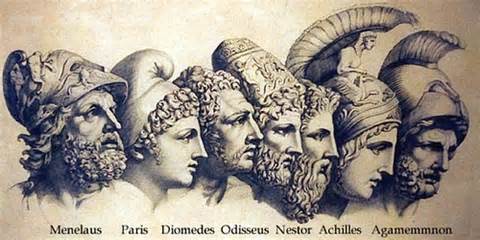
Turkey
Unrest 2013
|
|
|
|
Election
2013
|

|
|
|
World
News 2013
|

|
|
|
Serialised
story of the greates ship of her time and
|

|
|
|
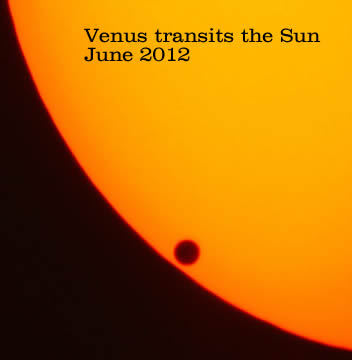
Venus
transits the Sun
|

|
For all your horoscopes, we recommend Ed Tamplin's excellent astrology site.

|
Astrology Oz is best viewed using firefox, screen resolution 1280x1024, macromedia flash enabled.
Firefox - the only browser that gives total control over web browsing, see what you want to see - download firefox

© AstrologyOz 2014
All articles and images on this site are subject to copyright and may not be copied, stored or modified in any way.
AstrologyOz - designed and maintained by Sherrynne Dalby