
Welcome to AstrologyOz
Apologies to all those who rely on this resource.. I have had major server issues which are now hopefully fully resolved.... after 4 months... I will be updating everything over the next week .... so thanks for your patience :)
|
|
|
World
News 2014
|

|
All your planetary data for 2014 is here now Planetary stations , Void of Course Moon , Moon phases and Planet Ingresses for 2014 plus Moon Planting Guide |

|
Jan - April 2014 Planting Guide
,
plus 2014 Moon phases,Planet Ingresses and retrogrades,
|
Moonlight, Body Clocks And Dream RecallMany people notice that sleep feels different around a full moon. They may take longer to settle, wake before dawn, or remember unusually vivid dreams. Astrology gives these experiences symbolic meaning, while sleep science looks at light exposure, circadian timing, stress and the way memory is formed during the night. The lunar cycle can be a useful observation tool without becoming a substitute for medical advice. Keeping a simple record of moon phases, bedtime, awakenings and dream recall may reveal personal patterns, especially during bright Australian summer evenings or periods of changing daily routines.
Why Lunar Light Can MatterThe full moon is much brighter than other lunar phases, although its effect indoors depends on curtains, window direction and nearby street lighting. A bedroom in central Sydney with open blinds may receive a very different amount of light from a room in rural Tasmania. Even small changes can matter for people who are sensitive to illumination. Artificial light often has a greater practical effect than moonlight. LED street lamps, television screens, phones and late-night shopping can delay the body’s natural release of melatonin. Australian households also contend with hot summer nights, and an overheated bedroom can produce restless sleep that is later attributed to the lunar cycle. Daylight saving adds another layer. New South Wales, Victoria, South Australia, Tasmania and the Australian Capital Territory move clocks forward, while Queensland and Western Australia do not. A moonrise that feels late in Melbourne may occur at a different clock time in Brisbane, so local time and seasonal habits should be included in any personal record. Sleep Cycles And Dream RecallDreaming occurs most vividly during rapid eye movement, or REM, sleep, though dreams can happen during other stages as well. A person may remember more dreams simply because they wake briefly during the night. A full moon may coincide with lighter sleep for some people, creating more opportunities to retrieve dream details before they fade. Dream recall is also shaped by attention. If someone expects a full moon to bring intense dreams, they may pay closer attention to unusual images, emotions or storylines. This does not make the experience meaningless; it shows how expectation, memory and symbolism work together. A notebook beside the bed can capture details before morning routines erase them. Dreams may also reflect ordinary Australian concerns: heat, bushfire news, commuting, exams, family commitments or financial pressure. A humid night in Darwin, an early train from Melbourne’s suburbs or a noisy apartment in Brisbane can influence dream texture just as strongly as an astrological interpretation. An Astrological View Of The Lunar CycleIn astrology, the Moon is associated with emotional rhythms, habits, instinctive responses and private life. Its sign is often used to describe the tone of feeling, while its house placement can suggest where personal attention is drawn. A full moon is traditionally treated as a period of culmination or heightened awareness, and a new moon as a quieter point for resetting intentions. This symbolic approach can support reflection rather than prediction. Someone might use a lunar calendar to notice whether certain dreams appear near a transit to their natal Moon, or whether emotional themes emerge when the Moon moves through a particular house. Resources about the Part of Fortune can add another layer to chart study, especially when considering pleasure, ease and personal fulfilment. Astrology should not be used to diagnose insomnia, sleep apnoea or anxiety. If loud snoring, breathing interruptions, persistent nightmares or severe daytime fatigue are present, a GP or qualified sleep professional is the appropriate source of help. Building A Moon-Aware Sleep RoutineBegin with the basics: keep the bedroom cool, use block-out curtains or an eye mask, and dim household lighting during the final hour before bed. In the Australian retail market, blackout blinds, cooling sheets and sleep-tracking devices are widely available, but an expensive gadget is not essential. Consistent wake time, morning sunlight and reduced evening stimulation usually provide a stronger foundation. During a bright lunar period, close blinds before the moon reaches the window and move phone charging away from the bed. In summer, ventilation, fans and earlier outdoor activity can help manage heat. People living in apartments may need to account for balconies, security lighting and traffic noise, while rural households may notice natural light and animal sounds more clearly. Be cautious with sleep supplements bought online. Products sold or promoted in Australia are subject to Therapeutic Goods Administration rules, and melatonin access depends on the product, age and prescription requirements. A pharmacist can explain what is lawful and suitable; astrology websites and social media posts should not replace that advice. Keeping A Personal Lunar Sleep JournalA useful journal needs only a few lines each morning: date, lunar phase, local weather, bedtime, estimated sleep quality, awakenings and dream recall. Record whether the room was hot, whether daylight saving was in effect, and whether alcohol, caffeine, illness or late screen use may have affected the night. These notes help separate a moon-related impression from more immediate causes. Look for repeated patterns over several lunar cycles rather than drawing conclusions from one restless night. You may discover that bright moonlight matters, that full-moon expectations increase dream attention, or that your sleep changes mainly with temperature and work schedules. The journal can become a reflective spiritual practice, much like the values explored by people interested in faithful commitment and intentional daily living. AstrologyOz readers can compare their notes with moon phases, planetary stations, ingresses, retrogrades and Void of Course Moon times. Used carefully, these resources turn vague impressions into an organised personal study while leaving health decisions to evidence-based professionals. Track your sleep across at least three lunar cycles, protect your bedroom from unnecessary light and make a note of local Australian conditions. Use the observations to explore your dreams with curiosity, then consult a qualified health practitioner when sleep problems continue or affect daytime wellbeing. |
|
|
|
Benedict
XVI resigns 2013
|

|
|
|
Election
2013- take 2
|

|
|
|
Turkey
Unrest 2013
|
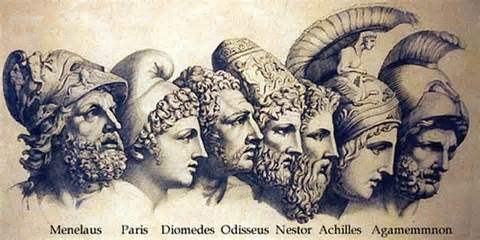
|
|
|
Election
2013
|

|
|
|
World
News 2013
|

|
|
|
Serialised
story of the greates ship of her time and
|

|
|
|
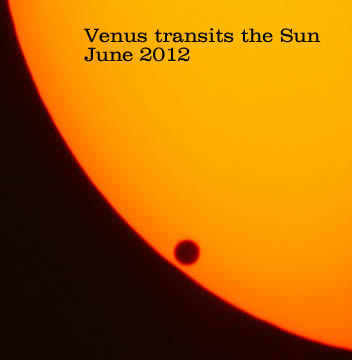
Venus
transits the Sun
|

|
For all your horoscopes, we recommend Ed Tamplin's excellent astrology site.

|
Astrology Oz is best viewed using firefox, screen resolution 1280x1024, macromedia flash enabled.
Firefox - the only browser that gives total control over web browsing, see what you want to see - download firefox

© AstrologyOz 2014
All articles and images on this site are subject to copyright and may not be copied, stored or modified in any way.
AstrologyOz - designed and maintained by Sherrynne Dalby