
Welcome to AstrologyOz
Apologies to all those who rely on this resource.. I have had major server issues which are now hopefully fully resolved.... after 4 months... I will be updating everything over the next week .... so thanks for your patience :)
|
|
|
World
News 2014
|

|
All your planetary data for 2014 is here now Planetary stations , Void of Course Moon , Moon phases and Planet Ingresses for 2014 plus Moon Planting Guide |

|
Jan - April 2014 Planting Guide
,
plus 2014 Moon phases,Planet Ingresses and retrogrades,
|
How to Interpret Planetary Ingresses in Your Natal ChartA planetary ingress occurs when a planet moves into a new zodiac sign. In a natal chart, that change can describe a shift in the themes being activated in your life, from work and relationships to home, money, learning or personal confidence. The sign shows the style of the energy, while the house shows the area of life where it becomes noticeable. An ingress is a change of backdrop rather than a single guaranteed event. Venus entering Taurus may alter how you approach pleasure, spending and affection, while Saturn entering Pisces may require clearer boundaries around emotion, creativity or responsibility. The meaning depends on your birth chart, the planet involved and the aspects formed after the ingress. Australian readers also need to check the correct time zone. A planetary sign change published in UTC may fall on a different calendar date in Sydney, Melbourne or Brisbane, especially during daylight saving in New South Wales, Victoria, Tasmania and the Australian Capital Territory. Western Australia, the Northern Territory and Queensland follow different local clocks. Used carefully, ingress astrology is a timing and reflection tool. It can help you notice a developing pattern without treating every transit as fate. Astrology can remain distinct from religious observance, just as a discussion of symbolism may sit alongside a reader’s interest in faith community and personal belief. Start with the natal chart frameworkBegin by locating the sign and degree of each natal planet, the Ascendant, Midheaven and house cusps. Accurate birth time matters because the houses can change considerably within a few minutes, particularly when an ingress activates an angle. If the birth time is uncertain, focus first on sign-based aspects and treat house interpretations as provisional. The natal chart describes your baseline pattern, while the ingress shows current movement through that pattern. Jupiter entering your second house will not mean the same thing for everyone: it may expand income, values or material commitments, depending on Jupiter’s natal condition and the aspects it makes to your chart. Identify the planet’s roleFast-moving planets tend to produce short-lived changes. The Moon changes signs every few days, Mercury usually stays in a sign for a few weeks, and Venus and Mars can describe noticeable shifts in communication, attraction, motivation and social activity. These ingresses are useful for tracking moods and practical priorities, but they should not be overinterpreted. The slower planets create longer chapters. Jupiter remains in a sign for about a year, Saturn for roughly two and a half years, while Uranus, Neptune and Pluto may occupy a sign for many years. A Saturn ingress often marks a period of consolidation and accountability; a Uranus ingress can disrupt routines and encourage experimentation. Read the sign and house togetherThe sign explains how the planet operates. Mars in Gemini may act through discussion, quick decisions and multiple projects, while Mars in Capricorn is more strategic, disciplined and focused on results. The house explains where those qualities are expressed, such as employment, friendships, family life or study. Pay attention to the house ruled by the sign as well. If Libra sits on your seventh-house cusp, Venus entering Libra may emphasise partnerships directly, even if Venus is physically moving through another house. This technique adds context and can reveal links between separate life areas. Check aspects to natal planetsAfter finding the ingress degree, look for conjunctions, oppositions, squares, trines and sextiles to natal planets and angles. A planet entering 10 degrees of Leo, for example, may immediately contact a natal planet near 10 degrees of Leo, Aquarius, Taurus or Scorpio. The closer the degree, the stronger and more immediate the emphasis tends to feel. An ingress can also begin a longer aspect pattern. Saturn entering Aries may first approach a natal Moon, then later turn retrograde and cross the same degree again. This creates several stages: an initial realisation, a review period and a more settled decision when Saturn moves forward. Factor in retrogrades and stationsAn ingress does not always unfold in a straight line. Mercury, Venus and the outer planets may enter a sign, retrograde back into the previous sign, then return later. When that happens, the topic may emerge, require revision and then become active again. The first date is therefore a beginning, not necessarily the final result. Planetary stations, when a planet appears to stop before changing direction, can make a transit especially prominent. Use a reliable ephemeris and convert times to your Australian location. An independent reference such as the astrology archives can help you compare past ingress dates, retrogrades and planetary stations without relying on a single social-media post. Apply the timing to real lifeUse the ingress as a prompt for observation. Note the house activated, the natal planets contacted and the practical circumstances already developing. If Jupiter enters your sixth house, track changes in workload, health routines, pets and daily organisation rather than assuming a dramatic promotion is certain. Australian life provides useful context. A Saturn transit through the fourth house may coincide with decisions about renting in Melbourne, caring for family near Adelaide or maintaining a property through a demanding summer. A Mars transit through the tenth house could describe a busy period in a Sydney office, on a Queensland building site or during a regional election campaign. The chart gains meaning when connected to actual responsibilities and choices.
Keep a dated journal of ingress moments, exact aspects and observable events. Record what actually happens rather than forcing every development to fit a forecast. Over time, this builds a personal understanding of which houses, planets and aspect types speak most clearly in your natal chart. Use planetary ingress data as a thoughtful map for attention, not as an instruction to surrender judgement. Review the relevant dates, relate them to your circumstances in Australia and let your own experience refine the symbolism. Explore the archive, mark the next significant sign change and begin tracking the patterns that genuinely help you make sense of your timing. |
|
|
|
Benedict
XVI resigns 2013
|

|
|
|
Election
2013- take 2
|

|
|
|
Turkey
Unrest 2013
|

|
|
|
Election
2013
|

|
|
|
World
News 2013
|

|
|
|
Serialised
story of the greates ship of her time and
|

|
|
|
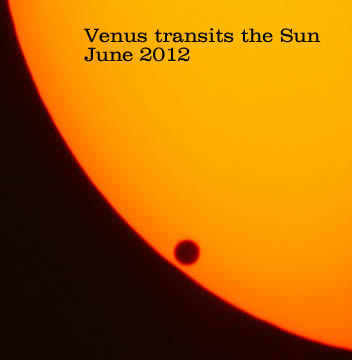
Venus
transits the Sun
|

|
For all your horoscopes, we recommend Ed Tamplin's excellent astrology site.

|
Astrology Oz is best viewed using firefox, screen resolution 1280x1024, macromedia flash enabled.
Firefox - the only browser that gives total control over web browsing, see what you want to see - download firefox

© AstrologyOz 2014
All articles and images on this site are subject to copyright and may not be copied, stored or modified in any way.
AstrologyOz - designed and maintained by Sherrynne Dalby