
Welcome to AstrologyOz
Apologies to all those who rely on this resource.. I have had major server issues which are now hopefully fully resolved.... after 4 months... I will be updating everything over the next week .... so thanks for your patience :)
|
|
|
World
News 2014
|

|
All your planetary data for 2014 is here now Planetary stations , Void of Course Moon , Moon phases and Planet Ingresses for 2014 plus Moon Planting Guide |

|
Jan - April 2014 Planting Guide
,
plus 2014 Moon phases,Planet Ingresses and retrogrades,
|
Plan a 2025 wedding with electional astrologyElectional astrology is the traditional practice of choosing a date and time for an important undertaking. For a wedding, it treats the ceremony as a symbolic beginning and looks for supportive planetary conditions rather than relying on a generic yearly horoscope. This date-selection practice is distinct from election forecasting. A sound electional method starts with the couple, not a supposedly lucky date. Your brief should describe the character you want: a calm, committed marriage, a joyful gathering, a strong family event or a smooth public beginning. Those priorities determine which chart factors receive the most weight. For Australian couples, the symbolic choice must also survive hot mornings, sudden rain, interstate guests and the realities of the wedding market. The aim is to select a time that feels meaningful while remaining comfortable and workable. Set the brief before choosing a dateSeparate the ceremony from the reception before calculating electional charts. The ceremony represents commitment, vows and the formation of a partnership, while the reception represents hospitality, celebration and social interaction. A date may suit one part of the wedding better than another. Traditional symbolism gives Venus a central role in affection and relationship harmony, Mercury in communication, Mars in energy and courage, and Jupiter in celebration and growth. Saturn can represent endurance and structure. The Moon describes immediate conditions, including movement, emotional atmosphere and travel. Use these meanings as priorities rather than absolute rules. Treat electional astrology as a symbolic planning framework, not a guaranteed forecast. The final chart should support the couple’s intentions and make the practical programme easier to carry out. Build a shortlist of workable datesBegin with broad date windows and then calculate the charts for specific times. Saturdays remain popular across Australia, but they also attract the strongest demand for photographers, caterers, celebrants and venues. February, March, September and October often provide comfortable weather, although availability can vary sharply between cities. For each candidate, examine the Moon’s sign, house and aspects, along with the ascendant and partnership points. Check the positions and relationships of the Sun, Venus, Mercury, Mars, Jupiter and Saturn. The exact ceremony time matters because changing it by an hour can alter the chart’s angles and house structure. The planetary reference guide is a practical Australian starting point for checking Moon phases, planetary stations and ingresses before calculating each chart. Flag difficult placements for further review, but do not dismiss an otherwise strong date because one factor receives extra weight. Fit the chart to Australian logisticsMelbourne can offer a beautiful garden wedding and then deliver a cold change by teatime, while Sydney’s humidity may combine with an afternoon storm. Perth brings intense dry heat, and northern Australia adds humidity, thunderstorms or cyclone-season disruption. Keep an indoor option and build weather flexibility into every shortlist. Travel is another decisive factor. Guests flying from Perth to Sydney, Melbourne to Brisbane or Darwin to Adelaide may need the same travel day for affordable fares and leave little room for a late ceremony. Time-zone differences and domestic airline schedules should be checked before locking in an hour. Marriage requirements also differ across states and territories, although an authorised celebrant usually handles the legal paperwork. Check the local rules before choosing a date, and be mindful of public holidays such as Australia Day, ANZAC Day and Christmas. Holidays can affect shop closures, transport, staffing and venue pricing. Balance the ceremony and receptionTreat the ceremony time as the chart’s anchor. Look for clarity, stable relationship symbolism and enough practical time for the legal formalities, photography and emotional presence. A reception can follow later, but changing the time changes the lunar and planetary relationships available to that part of the day. Compare the two principal timing choices before committing.
If the most auspicious ceremony falls outside guest arrival windows, compare the symbolic cost with the disruption caused by a long wait. A comfortable gathering is usually more valuable than squeezing every traditional factor into an inconvenient schedule. Build the wedding-day timelineWork backwards from the reception finish time. Include supplier access, hair and makeup, ceremony preparation, formal photographs, travel between sites, speeches and the late-evening sendoff. The wedding chart works best when it supports a timeline the suppliers and guests can actually experience. If the couple’s priorities remain unclear after comparing dates, a personal astrology reading can help translate personal relationship and celebration themes into the electional shortlist. Use that guidance alongside the calculated charts, venue availability and Australian travel conditions. Create a simple run sheet with astronomical details beside ordinary logistical ones. Record the chosen time in both local and home-state time, include venue contact details, and nominate a person to monitor weather changes. Strong preparation protects the symbolic intention of the chosen date from ordinary wedding-day stress. Turn the chart into a shared planRank the shortlisted dates according to symbolic strength, guest convenience and cost. Give each category a clear weighting before calculating the charts so that a preferred season or venue does not quietly determine the result. Keep one strong option and one practical fallback rather than asking everyone to commit to an uncertain ideal. Discuss the chosen symbolism with the celebrant, photographers and suppliers where it can improve the day. The celebration might acknowledge the Moon, a planetary alliance or the meaning of the selected season, but it should still sound personal rather than like a horoscope reading at the microphone. Create a three-date shortlist this week, ask Australian vendors to hold the preferred Saturday, and confirm the ceremony time with an astrologer and authorised celebrant. Then reserve the venue, place the other dates in a calendar and share the final timeline with travelling guests. |
|
|
|
Benedict
XVI resigns 2013
|

|
|
|
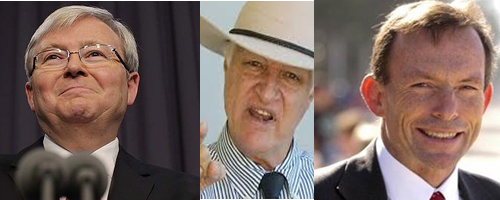
Election
2013- take 2
|
|
|
|
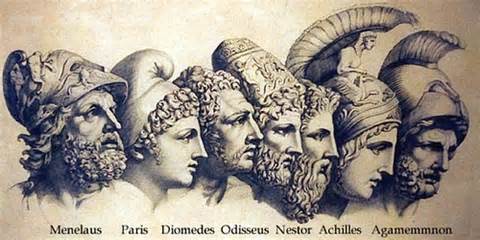
Turkey
Unrest 2013
|
|
|
|
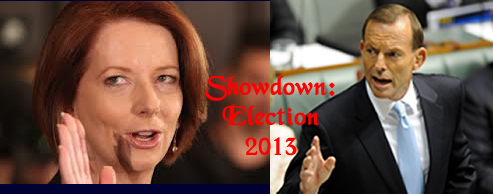
Election
2013
|
|
|
|
World
News 2013
|

|
|
|
Serialised
story of the greates ship of her time and
|

|
|
|
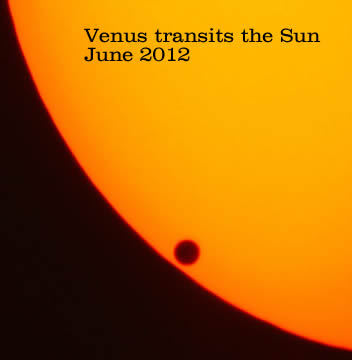
Venus
transits the Sun
|

|
For all your horoscopes, we recommend Ed Tamplin's excellent astrology site.

|
Astrology Oz is best viewed using firefox, screen resolution 1280x1024, macromedia flash enabled.
Firefox - the only browser that gives total control over web browsing, see what you want to see - download firefox

© AstrologyOz 2014
All articles and images on this site are subject to copyright and may not be copied, stored or modified in any way.
AstrologyOz - designed and maintained by Sherrynne Dalby