
Welcome to AstrologyOz
Apologies to all those who rely on this resource.. I have had major server issues which are now hopefully fully resolved.... after 4 months... I will be updating everything over the next week .... so thanks for your patience :)
|
|
|
World
News 2014
|

|
All your planetary data for 2014 is here now Planetary stations , Void of Course Moon , Moon phases and Planet Ingresses for 2014 plus Moon Planting Guide |

|
Jan - April 2014 Planting Guide
,
plus 2014 Moon phases,Planet Ingresses and retrogrades,
|
How to read the planetary stations page on AstrologyOzA planetary station is the moment when a planet appears to stop moving forward or backward across the zodiac. It is an optical effect caused by changing viewing angles between Earth and the planet, yet astrologers treat it as a noticeable shift in emphasis. A station can mark the beginning or end of a retrograde period. The AstrologyOz planetary stations page is best used as a reference calendar rather than as a complete horoscope. It helps you locate significant dates, identify the planet involved, and then place that event into a natal chart, mundane chart, election chart, or personal planning process. Readers in Australia need to take time zones seriously. A station shown in Universal Time may fall on a different calendar date in Sydney, Melbourne, Brisbane, Perth, Adelaide, or Hobart. Daylight saving also means that an event can appear at a different local hour in New South Wales or Victoria than in Queensland or Western Australia. The most useful approach is to read each entry in layers: first the date and planet, then the direct or retrograde change, then the zodiac sign and degree. Only after those details are clear should you interpret what the station may mean for a person, a business, an election, or a wider news cycle.
Find the planet and event typeBegin by identifying the planet listed in the entry. Mercury stations are commonly associated with communication, transport, contracts, data, and scheduling. Venus relates to relationships, values, money, and aesthetics, while Mars concerns action, conflict, effort, and urgency. The slower planets usually describe longer cultural, institutional, or generational shifts. Next, check whether the planet is stationing retrograde or stationing direct. A retrograde station begins a period of apparent backward motion. A direct station ends that period and begins apparent forward motion. The distinction does not mean that every matter stops or reverses, but it provides a useful interpretive frame. Read the date and time carefullyA station is an exact astronomical moment, but the page may present it in a standard time reference. If the listed time is Universal Time, convert it to the relevant Australian zone. Perth uses AWST, Adelaide uses ACST or ACDT, and the eastern states may use AEST or AEDT depending on the season. For practical work, record both the original time and the local conversion. A station close to midnight can move from one date to the next. This matters when comparing the event with a Federal Budget announcement in Canberra, a company launch in Sydney, or a local election timetable in Queensland. Understand the zodiac positionThe sign tells you the style or field through which the station operates, while the degree gives a precise location for chart comparison. A Mercury station in an air sign may bring communication themes into sharper focus; a Mars station in a fixed sign may describe pressure that builds slowly and becomes difficult to redirect. Do not treat the sign alone as a complete interpretation. The house position in a natal chart, the aspects to other planets, and the condition of the stationing planet all add context. A station at 15 degrees, for example, may be especially relevant to charts with planets or angles near 13–17 degrees of any sign. Allow for the station periodThe exact station is a peak point, not necessarily the only day when the symbolism is noticeable. A planet slows before it changes direction and gradually gathers speed afterwards. This creates a broader period in which decisions, delays, revisions, or turning points may become more visible. For personal astrology, compare the station with events over several weeks. For world news commentary, look at developments in government, markets, industrial disputes, and public debate. Australian readers might track a station alongside parliamentary sittings in Canberra, a Reserve Bank decision, or a major sporting and cultural event. Compare the entry with a natal chartTo make a station personally meaningful, locate the planet and degree in your birth chart. Check the house it occupies and whether it forms a conjunction, opposition, square, trine, or sextile to a natal planet or angle. A close contact to the Sun, Moon, Ascendant, Midheaven, or chart ruler generally deserves extra attention. A station can revive an earlier issue when it crosses a natal placement repeatedly. This is particularly common with Mercury, Mars, and the outer planets. Keep notes rather than making a firm prediction from one date; the surrounding transits often explain whether the experience feels like review, pressure, release, or renewed movement. Use stations in electional astrologyA station may be useful when choosing a date for an important action, although it should not be judged in isolation. Some astrologers avoid starting contracts, launches, or major purchases near a Mercury station, while others deliberately use a direct station for restarting a delayed project or returning to an unfinished plan. The practical choice depends on the purpose. A stationing Venus may suit a review of pricing or relationship expectations more readily than a rushed commitment. A stationing Mars may be valuable for confronting a stalled task, yet it can also coincide with impatience. Treat the page as a timing tool, then examine the complete chart for the proposed moment. Cross-check the wider astrologyThe stations page works best alongside ingress, retrograde, lunar, and planetary data. The AstrologyOz archives provide a broader way to locate related articles and historical material, helping you see whether an event belongs to a larger cycle rather than standing alone. It can also be sensible to compare a date with an independent reference, particularly when an event is close to a timezone boundary. A separate source such as Shenvi astrology resources may offer additional material for readers who want to check planetary calculations or explore another astrological tradition. Agreement between references increases confidence, while a difference signals that the time standard or calculation system needs checking. Build a simple reading routineA reliable routine is short. Write down the planet, station type, exact degree, original time standard, Australian local time, and the chart points it contacts. Then note what was happening a week before and after the station. This creates a usable record instead of relying on a vague impression. For everyday planning, keep the interpretation proportionate. A station is a meaningful marker, not a guarantee of an event. Use it to slow down, review assumptions, watch a developing theme, or recognise when a period of uncertainty is beginning to move. Use the planetary stations page as a regular research reference, and pair its dates with your own chart notes, Australian time conversions, and observations from local events. Over time, this approach turns a list of astronomical moments into a practical record of planetary cycles and lived experience. |
|
|
|
Benedict
XVI resigns 2013
|

|
|
|
Election
2013- take 2
|

|
|
|
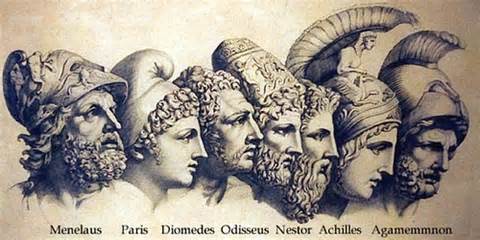
Turkey
Unrest 2013
|
|
|
|
Election
2013
|

|
|
|
World
News 2013
|

|
|
|
Serialised
story of the greates ship of her time and
|

|
|
|
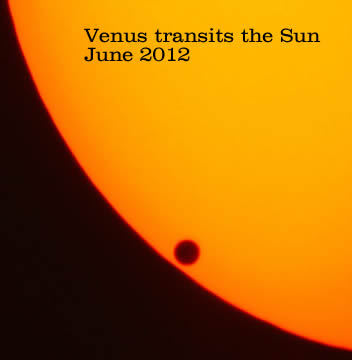
Venus
transits the Sun
|

|
For all your horoscopes, we recommend Ed Tamplin's excellent astrology site.

|
Astrology Oz is best viewed using firefox, screen resolution 1280x1024, macromedia flash enabled.
Firefox - the only browser that gives total control over web browsing, see what you want to see - download firefox

© AstrologyOz 2014
All articles and images on this site are subject to copyright and may not be copied, stored or modified in any way.
AstrologyOz - designed and maintained by Sherrynne Dalby