
Welcome to AstrologyOz
Apologies to all those who rely on this resource.. I have had major server issues which are now hopefully fully resolved.... after 4 months... I will be updating everything over the next week .... so thanks for your patience :)
|
|
|
World
News 2014
|

|
All your planetary data for 2014 is here now Planetary stations , Void of Course Moon , Moon phases and Planet Ingresses for 2014 plus Moon Planting Guide |

|
Jan - April 2014 Planting Guide
,
plus 2014 Moon phases,Planet Ingresses and retrogrades,
|
How to Use the Moon Phase Calculator for Your Australian LocationWorking with the rhythms of the night sky has long been part of Australian life, from traditional Indigenous seasonal calendars stretching back tens of thousands of years to modern gardeners planning their plantings by lunar light. A moon phase calculator tailored to your specific location gives you accurate lunar data without the guesswork of generic global tables. Whether you're in Hobart or Darwin, the moon's appearance changes with your latitude, longitude, and time zone, making local calculations essential for reliable readings. The tool available through Australian-focused astrology resources pulls together current phase information, illumination percentages, and upcoming transitions in one place. It accounts for the variations between AEST, AEDT, AWST, and ACST, so users from Perth to Brisbane see data that matches their actual sky. Getting comfortable with the interface takes only a few minutes, and once you understand the layout, you can check lunar conditions whenever you need them. Entering your location and time zoneThe first step in using any lunar calculator is making sure it knows where you are. Australian geography spans roughly 30 degrees of latitude and several time zones, so entering your nearest city or exact coordinates makes a real difference. Most calculators let you type a place name like "Melbourne" or "Cairns" and will auto-fill the longitude and latitude, or you can punch in the numbers manually if you live in a more remote area. Daylight saving adds another layer. During the warmer months, New South Wales, Victoria, South Australia, Tasmania, and the ACT shift to AEDT or ACDT, while Queensland, Western Australia, and the Northern Territory stay fixed. A good calculator will handle this automatically once it has your location set, but it's worth double-checking the displayed time matches your watch when planning anything time-sensitive. Reading the eight lunar phasesOnce your location is locked in, the main display will show the current phase along with an illumination percentage. The moon moves through eight recognisable stages during each synodic month: new, waxing crescent, first quarter, waxing gibbous, full, waning gibbous, third quarter, and waning crescent. Each one carries different energy in traditional astrological practice, with the new and full moons drawing the most attention. The illumination figure tells you how much of the visible disc is lit by the sun. At first quarter, you'll see around fifty percent, while a full moon reads one hundred percent and a new moon sits at zero. Australian stargazers often notice the moon appears higher in the winter sky and lower in summer, which can affect how phases feel locally even when the astronomical data is the same. Moon planting and garden timingFor many Australians, lunar timing is most useful in the vegie patch. Moon planting, also called lunar gardening, uses the phase cycle as a guide for sowing, pruning, and harvesting. The general rule is that above-ground crops go in during the waxing period, when light increases from new to full, while root vegetables prefer the waning fortnight. Because Australian seasons run opposite to the Northern Hemisphere, timing matters differently here. A full moon in July coincides with peak winter in Sydney, while the same phase in January falls in high summer. Local gardeners using the calculator can match their favourite crops to the right phase without having to mentally translate from European or American guides. Tomatoes planted under a waxing gibbous in October, for instance, often establish more vigorously than those put in during a waning period. Spotting Void of Course Moon periodsThe calculator also flags Void of Course Moon intervals, which happen when the moon makes no further major aspects before leaving its current sign. These periods, often shortened to VoC, are traditionally considered less favourable for starting new projects, signing contracts, or making big decisions. For Australian workers and business owners, knowing when VoC kicks in can be a practical aid to scheduling. The display usually shows the start time and the sign the moon is vacating, along with the moment it enters the next constellation. In a country with multiple time zones, this is where accurate local data matters most. A VoC window that falls during business hours in Adelaide might land at three in the morning for someone in Perth, making that period far less disruptive to daily life. Comparing lunar tracking toolsDifferent tools suit different needs, and it's worth knowing what's available across the common options.
For most Australians wanting a balance of accuracy, VoC data, and planting advice, a location-specific calculator tends to cover more bases than a generic app. If you'd like to explore the tool mentioned throughout this guide, you can find the moon phase calculator on the AstrologyOz site. Readers interested in broader spiritual and lifestyle perspectives may also appreciate the thoughtful reflections shared at faith community resources, which complements lunar study with wider life themes. Once you've set your location and learned to read the display, checking the moon becomes a quick daily habit rather than a chore. Bookmark the page on your phone, glance at it each morning with your coffee, and within a few weeks you'll start noticing how the lunar rhythm lines up with your own energy, your garden's growth, and the flow of your week. |
|
|
|
Benedict
XVI resigns 2013
|

|
|
|
Election
2013- take 2
|

|
|
|
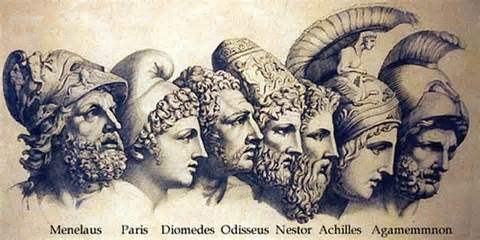
Turkey
Unrest 2013
|
|
|
|
Election
2013
|

|
|
|
World
News 2013
|

|
|
|
Serialised
story of the greates ship of her time and
|

|
|
|
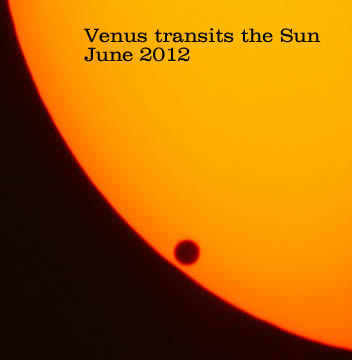
Venus
transits the Sun
|

|
For all your horoscopes, we recommend Ed Tamplin's excellent astrology site.

|
Astrology Oz is best viewed using firefox, screen resolution 1280x1024, macromedia flash enabled.
Firefox - the only browser that gives total control over web browsing, see what you want to see - download firefox

© AstrologyOz 2014
All articles and images on this site are subject to copyright and may not be copied, stored or modified in any way.
AstrologyOz - designed and maintained by Sherrynne Dalby