
Welcome to AstrologyOz
Apologies to all those who rely on this resource.. I have had major server issues which are now hopefully fully resolved.... after 4 months... I will be updating everything over the next week .... so thanks for your patience :)
|
|
|
World
News 2014
|

|
All your planetary data for 2014 is here now Planetary stations , Void of Course Moon , Moon phases and Planet Ingresses for 2014 plus Moon Planting Guide |

|
Jan - April 2014 Planting Guide
,
plus 2014 Moon phases,Planet Ingresses and retrogrades,
|
Sowing by the Spring Moon: A Planting Calendar for Australian GardensSpring in Australia runs from September through November, bringing warmer soil and longer days for gardeners from Hobart to Cairns. Many home growers follow lunar planting rhythms alongside seasonal advice, believing the Moon's position influences seed germination and root development. The Australian spring window differs greatly from Northern Hemisphere calendars. While Europe marks spring in March, Australian growers wait for soil warming, which can vary by weeks between Perth's Mediterranean climate and Sydney's temperate coast. Adding lunar timing creates a structured schedule that rewards careful observation. Moon planting divides activities into four lunar phases, each linked to growth above or below the soil. For Australian gardeners juggling spring planting lists, this offers a way to prioritise tasks when weather shifts between sunny days and sudden downpours. This piece explores how the spring lunar cycle aligns with Australian gardening realities, from first plantings in southern Tasmania to wet-season preparations in the Top End. Whether you tend a Melbourne courtyard or a Queensland plot, lunar timing can complement your seasonal routine. The Four Lunar PhasesThe cycle begins with the New Moon, traditionally linked to leafy annuals and above-ground crops. Australian growers time lettuce, spinach, and basil sowings to this window, when moisture is thought to rise through the soil. As the Moon waxes to the First Quarter, sap movement strengthens, favouring continued above-ground growth. This suits transplanting tomatoes, capsicums, and eggplants. In Brisbane and other subtropical zones, this phase supports late plantings of quick-maturing beans. The Full Moon shifts focus to root development. Carrots, beetroot, onions, and potatoes are sown now, with the theory that decreasing light directs energy into roots. South Australian gardeners prioritise this phase before Adelaide's summer heat intensifies across the plains. The Last Quarter focuses on soil conditioning, pruning, and weeding rather than sowing. This phase suits compost turning, mulching garden beds, and preparing spaces for summer crops like zucchini and pumpkin. Spring Moon Phases for 2025The 2025 spring begins with a New Moon in Virgo on 22 September, an earthy sign favoured for root establishment. Melbourne and Canberra gardeners can sow carrots, parsnips, and spring onions during this window. Year-on-year tracking of these cycles is available in the seasonal planting archives. The First Quarter in early October coincides with school holidays, when families find extra time for transplanting summer seedlings. This suits moving tomatoes, basil, and capsicums into beds across Sydney's suburbs and the Adelaide Hills. A Full Moon in mid-October offers prime root-sowing, though NSW North Coast humidity can complicate soil moisture. Raised beds help during this phase, especially for growers dealing with western Sydney's heavy clay. The Last Quarter in early November precedes the pre-summer storm season. It suits garden cleanup and trellis preparation, marking a shift toward warmer-season crops. Regional Climate DifferencesAustralia's vastness means spring planting never follows one timeline. In Perth, warming days and cooling nights require watching for sudden heat spikes. Mulching becomes critical, given dry summers and strict water regulations. Queensland's south-east corner, including Brisbane and the Gold Coast hinterland, enters spring with already-warm soil. Water restrictions frequently tighten in spring, making efficient irrigation a practical priority for suburban growers. Hobart and the southern Victorian coast experience the latest spring awakening. Frost remains a concern until mid-spring, and lunar timing helps structure indoor seed-starting during the colder weeks before outdoor transplanting begins. The Northern Territory's Top End operates differently, with the dry season giving way to the first storms in October. Darwin growers focus on establishing crops before the wet season arrives, using the lunar calendar to plan quick-growing varieties like snake beans and Asian greens. Local Markets and Native SpeciesWater restrictions vary between states and councils. South Australian regulations prohibit sprinkler use during designated heat periods, while many Victorian councils encourage drip systems through rebate programs. Moon planting works within these constraints by promoting mulching during less water-intensive phases. Local markets shape what Australian gardeners choose to grow. The Adelaide Showground Farmers' Market and Sydney's Carriageworks Farmers Market reward growers supplying heirloom varieties that supermarkets rarely stock. Lunar calendars help time harvests for peak freshness at these weekend markets. Native Australian species deserve consideration alongside European crops. Spring suits sowing kangaroo paw, warrigal greens, and finger lime seeds during waxing Moon phases. Local council nurseries stock these species, supporting both biodiversity and water-wise gardening. Australian gardening culture includes distinctive habits, such as the weekend pilgrimage to Bunnings for seedlings and supplies. Many growers time lunar planting around Saturday mornings when nurseries are busiest and community gardens hold working bees. For broader seasonal context, the spring planting guide offers additional regional notes. What to Sow During Each Phase
This table offers a starting framework, though local conditions always take precedence. In Brisbane's subtropical climate, the First Quarter phase might prioritise heat-loving crops earlier than in cooler Melbourne gardens, where soil warming happens more gradually. Working With the Void of Course MoonAstrological calendars flag periods when the Moon is void of course, traditionally considered unsuitable for planting or major garden decisions. These windows last from a few hours to over a day throughout the lunar cycle. During void of course periods, tool cleaning, garden planning, and equipment repairs are recommended instead of sowing. This prevents frustration when germination underperforms or transplants wilt unexpectedly. Many experienced lunar planters keep diaries tracking which periods work best in their specific microclimate. For newcomers to lunar planting, the void of course concept adds another layer alongside the four main phases. Online calendars and printable charts help demystify timing, and local gardening groups share regional experiences with these often-overlooked windows. Pair lunar planning with local frost dates and soil temperature checks for the strongest results. Keep a garden journal to track which lunar phases produce the best growth over several seasons in your specific microclimate, and connect with neighbourhood groups for regional insights. Connect with local gardening communities through neighbourhood groups or regional forums across the country. Spring offers ideal conditions for these connections, with many community gardens hosting open days and seedling swaps throughout September and October. Visit AstrologyOz for ongoing lunar calendar resources and seasonal notes tailored to Australian conditions. The site tracks moon phases, planetary stations, and planting windows throughout the growing season, with regional updates for gardeners who follow celestial rhythms alongside their seasonal routines. |
|
|
|
Benedict
XVI resigns 2013
|

|
|
|
Election
2013- take 2
|

|
|
|
Turkey
Unrest 2013
|
|
|
|
Election
2013
|

|
|
|
World
News 2013
|

|
|
|
Serialised
story of the greates ship of her time and
|

|
|
|
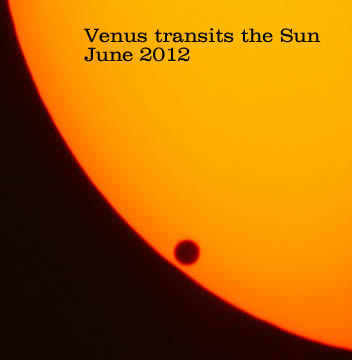
Venus
transits the Sun
|

|
For all your horoscopes, we recommend Ed Tamplin's excellent astrology site.

|
Astrology Oz is best viewed using firefox, screen resolution 1280x1024, macromedia flash enabled.
Firefox - the only browser that gives total control over web browsing, see what you want to see - download firefox

© AstrologyOz 2014
All articles and images on this site are subject to copyright and may not be copied, stored or modified in any way.
AstrologyOz - designed and maintained by Sherrynne Dalby