
Welcome to AstrologyOz
Apologies to all those who rely on this resource.. I have had major server issues which are now hopefully fully resolved.... after 4 months... I will be updating everything over the next week .... so thanks for your patience :)
|
|
|
World
News 2014
|

|
All your planetary data for 2014 is here now Planetary stations , Void of Course Moon , Moon phases and Planet Ingresses for 2014 plus Moon Planting Guide |

|
Jan - April 2014 Planting Guide
,
plus 2014 Moon phases,Planet Ingresses and retrogrades,
|
The 2025 Eclipses And Australian WeatherThe four eclipses of 2025 offer useful markers for observing seasonal change, public mood and the rhythm of Australian weather. They do not, however, provide a scientific method for forecasting rain, heat, storms or bushfire conditions. Weather systems are shaped by ocean temperatures, pressure patterns, the El Niño–Southern Oscillation, the Indian Ocean Dipole and local geography. Astrology can give these dates symbolic meaning, especially when an eclipse falls near a natal chart or a national chart. For practical decisions, Australians should continue to rely on the Bureau of Meteorology, official fire warnings and local emergency services. Astrology resources such as astrology articles and planetary data can sit alongside, rather than replace, evidence-based forecasting.
The Eclipse Calendar And Australian SeasonsThe March eclipses arrive as summer gives way to autumn. In Sydney, Brisbane and Melbourne, this is often a period of changing temperatures, unsettled fronts and cooler evenings, while northern Australia is moving toward the end of the wet season. A Virgo lunar eclipse may symbolically draw attention to crops, public health, work routines and the management of resources. The September eclipses occur during the transition from winter to spring. Southern cities can experience sharp contrasts between cold mornings and warm afternoons, and inland areas may begin preparing for increased fire danger. In northern Queensland and the Northern Territory, the build-up to the wet season has its own heat, humidity and storm patterns. These seasonal realities are more reliable than an eclipse as a weather indicator. What Astrology Can And Cannot ShowWithin astrology, eclipses are often treated as periods of heightened awareness, disruption or revelation. A lunar eclipse may be associated with culmination, while a solar eclipse is commonly read as a new beginning. When applied to weather, astrologers might watch for symbolic emphasis on water, land, agriculture, public services or sudden changes. There is no established physical mechanism linking an eclipse to a particular Australian rainfall event or temperature spike. The Moon affects tides, and solar radiation changes during an eclipse, but these short-lived variations do not produce a dependable national weather pattern. A responsible reading should therefore distinguish symbolic interpretation from meteorological evidence. Regional Weather Patterns To WatchThe same eclipse can coincide with very different conditions across Australia. Perth may be influenced by winter fronts and Indian Ocean systems, Darwin by tropical humidity and thunderstorms, and Adelaide by dry continental air. Hobart can remain cool when inland New South Wales is warming, while coastal Queensland may receive rain from a completely different system. Everyday habits also shape how people experience these dates. Australians check the daily forecast before commuting, planning a weekend barbecue, watering a garden or travelling on long regional roads. Farmers and gardeners may be interested in moon planting traditions, but soil moisture, frost risk and local rainfall records remain essential when deciding what to sow. Agriculture, Fire And Public SafetyThe Virgo emphasis in March and September can be read through practical concerns such as food production, soil care and household preparedness. At the same time, the local market responds to conditions that astrology cannot predict: fruit prices may rise after floods, livestock costs can shift during drought, and supermarket supply chains may be disrupted by cyclones or transport closures. Bushfire preparation also requires a grounded approach. In New South Wales, Victoria, South Australia and Western Australia, residents should follow state fire authorities, observe total fire bans and understand local legislation governing fire use. An eclipse chart cannot replace a Fire Danger Rating, evacuation order or emergency alert. It can be used only as a reflective framework for reviewing plans and responsibilities. Practical eclipse-day priorities include:
Interpreting The Eclipses ResponsiblyThe Pisces lunar eclipse in September may invite reflection on water, oceans, rain and emotional responses to environmental uncertainty. That symbolism may feel especially relevant in coastal communities, where king tides, erosion and storm swell are visible parts of life. It should not be used to announce a flood, cyclone or drought without supporting data. Astrology also has a cultural and personal role. Some readers may connect eclipse symbolism with spiritual reflection, including a broader reflection on freedom, responsibility and release. Others may prefer an astronomical perspective. Both approaches can coexist when claims about physical weather remain clear, cautious and testable. Useful records to keep around the eclipse dates include:
The 2025 eclipses are best treated as calendar points for observation rather than weather triggers. Note what the sky, land and community are experiencing, compare it with official forecasts, and use the dates to deepen your understanding of Australian seasons. Explore the site’s planetary calendars and weather-related commentary for a balanced astrological perspective grounded in local life. |
|
|
|
Benedict
XVI resigns 2013
|

|
|
|
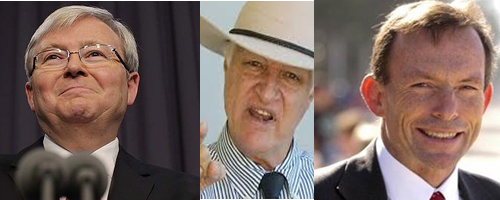
Election
2013- take 2
|
|
|
|
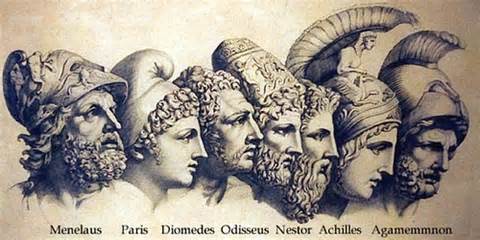
Turkey
Unrest 2013
|
|
|
|
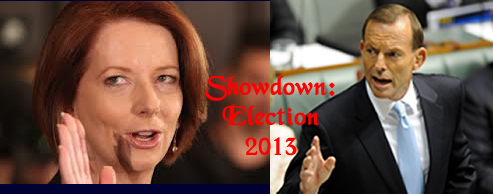
Election
2013
|
|
|
|
World
News 2013
|

|
|
|
Serialised
story of the greates ship of her time and
|

|
|
|
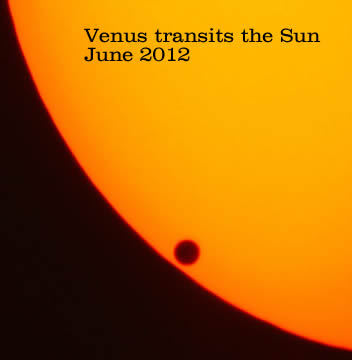
Venus
transits the Sun
|

|
For all your horoscopes, we recommend Ed Tamplin's excellent astrology site.

|
Astrology Oz is best viewed using firefox, screen resolution 1280x1024, macromedia flash enabled.
Firefox - the only browser that gives total control over web browsing, see what you want to see - download firefox

© AstrologyOz 2014
All articles and images on this site are subject to copyright and may not be copied, stored or modified in any way.
AstrologyOz - designed and maintained by Sherrynne Dalby