
Welcome to AstrologyOz
Apologies to all those who rely on this resource.. I have had major server issues which are now hopefully fully resolved.... after 4 months... I will be updating everything over the next week .... so thanks for your patience :)
|
|
|
World
News 2014
|

|
All your planetary data for 2014 is here now Planetary stations , Void of Course Moon , Moon phases and Planet Ingresses for 2014 plus Moon Planting Guide |

|
Jan - April 2014 Planting Guide
,
plus 2014 Moon phases,Planet Ingresses and retrogrades,
|
The Astrology of the 2024 Summer OlympicsThe Paris Games opened on 26 July 2024 and ran until 11 August, bringing together athletes from more than 200 national teams. Beyond the sporting results, the event offered a vivid astrological picture: Leo visibility, Gemini movement, Pisces sensitivity and Aquarius themes of international community. For Australian viewers, the timing had a distinctive rhythm. The opening ceremony began in the early hours of 27 July AEST, while Western Australians saw it earlier in the morning. Many households followed the Games over breakfast, during school holidays, or through daily highlights after work, creating a shared national viewing pattern across very different time zones. Astrology does not determine who wins a race or how a judging panel will score a routine. It can, however, provide a symbolic language for examining collective attention, ambition, pressure, national identity and the emotional atmosphere surrounding a major global event.
The Paris Opening ChartThe opening ceremony carried a strong Leo signature, with the Sun in the sign associated with theatrical presentation, courage and recognition. This is fitting for an event built around flags, uniforms, national anthems, medal ceremonies and individual athletes becoming household names. The ceremony on the Seine also gave the symbolism a distinctly fluid quality. Water, music, movement and performance suited the broad Pisces tone of the lunar picture, suggesting an occasion shaped as much by emotion and imagination as by formal competition. The spectacle was designed to be experienced collectively, even by people watching from thousands of kilometres away. For Australians, the chart was encountered at an unusual hour. Sydney, Melbourne, Brisbane, Canberra and Hobart experienced the opening in the early morning, while Perth and much of Western Australia followed at a more manageable local time. That difference is a useful reminder that an event chart is global, but its lived expression changes with geography. A Mutable Olympic MoodGemini was especially important during the Games, with Mars and Jupiter moving through the sign of quick thinking, dexterity and communication. Gemini favours adaptability rather than a single fixed method. Athletes had to respond to changing opponents, weather, tactics, equipment and judging conditions in real time. This symbolism was visible in sports such as swimming, cycling, fencing, tennis, basketball and gymnastics, where fractions of a second or a rapid tactical adjustment could change the result. Mars in Gemini can describe nervous energy, sharp reactions and competitive banter, while Jupiter in Gemini expands the importance of commentary, statistics and constant news flow. Australian audiences are familiar with this media environment through free-to-air coverage, streaming services, radio discussion and the informal language of post-event analysis. A swimmer might be described as having “a crack”, a team may be praised for “sticking to the plan”, and social media can turn a single interview into a national talking point within minutes. Pride, Pressure And PerformanceLeo is often associated with confidence, but its deeper theme is the courage to be seen. Olympic competition exposes athletes to an enormous audience, making confidence, stage presence and emotional composure part of the performance. A medal can become a symbol of family sacrifice, sporting investment and national pride. The Leo emphasis also raises questions about recognition. Who receives attention? Which sports gain television coverage? How are emerging athletes represented beside established champions? Astrology can use the Sun’s symbolism to explore these issues without reducing an athlete’s achievement to a planetary placement. Australia’s sporting culture gives this theme a particular local flavour. Swimming heats may dominate breakfast television, while rowing, sailing, hockey, athletics and cycling attract intense interest when medal opportunities emerge. The language of “medal chances” and “the green and gold” reflects the Leo desire to celebrate visible achievement, yet the pressure behind that celebration can be substantial. Retrogrades And The Work Behind The EventSaturn retrograde in Pisces suggested a period of review around systems, duties and long-term preparation. Saturn is associated with rules, structures and accountability; Pisces brings less tangible matters such as trust, wellbeing, ideals and collective feeling. Together, they point towards the work required to make an apparently seamless event function. A retrograde planet does not automatically mean failure. It often describes revision, inspection and the return of unresolved questions. In an Olympic context, that can relate to accreditation, security, venue readiness, athlete welfare, judging procedures and the balance between tradition and innovation. Mercury’s movements also matter when studying competition schedules and public messaging. Travel delays, changing instructions or disputed interpretations can become symbolically important during a large event. Readers interested in election timing, daily planning and lunar conditions may find the Void of Course Moon guide useful when comparing astrological timing principles with the practical demands of a packed Olympic calendar. The Collective And The IndividualPluto in Aquarius added a generational layer to the Games. Aquarius is connected with networks, technology, social groups and changing ideas about participation. The Olympics are built around national representation, yet the athletes themselves often train internationally, use global coaching teams and communicate with fans through digital platforms. This creates a tension between individual identity and collective belonging. An athlete competes for a country, trains within a specialised team and may also represent a personal story involving migration, family history, disability, gender, community or cultural heritage. Aquarius encourages attention to the wider social meaning of those stories. The Olympic movement also carries ideals that invite scrutiny: inclusion, peace, excellence and international cooperation. Readers interested in the relationship between spirituality, belief and public life can explore perspectives at Sacrosanct Gospel, while keeping astrology and religious interpretation as distinct approaches to meaning. Practical Astrology For Olympic ViewingA useful way to follow the Games astrologically is to compare the collective chart with the event’s daily atmosphere rather than predicting every result. Track the Moon’s sign, major aspects and changes of phase alongside the emotional tone of a final, opening ceremony or controversial decision. These simple approaches can help:
The 2024 Summer Olympics showed how astrology can illuminate the atmosphere surrounding a global gathering. Leo gave the Games theatre and pride, Gemini supplied speed and information, Pisces brought emotion and imagination, while Aquarius widened the discussion towards technology, community and social change. Use the Paris Olympic chart as a reference point for studying future sporting events, national celebrations and collective milestones. Keep a record of planetary positions, local times and the stories that emerge, then return to the chart after the event to see which symbols became most visible. |
|
|
|
Benedict
XVI resigns 2013
|

|
|
|
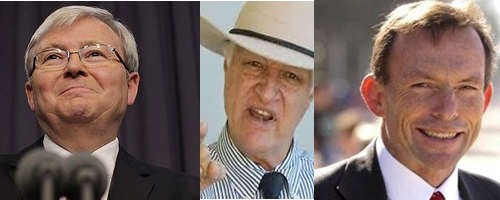
Election
2013- take 2
|
|
|
|
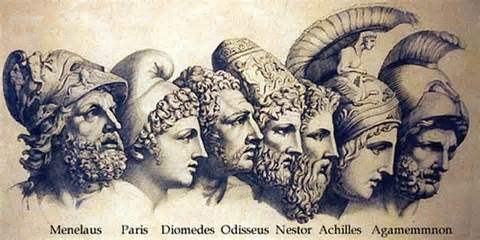
Turkey
Unrest 2013
|
|
|
|
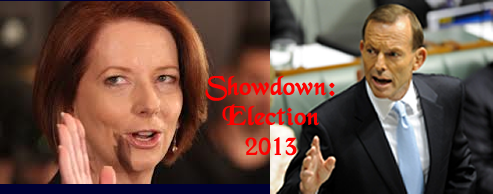
Election
2013
|
|
|
|
World
News 2013
|

|
|
|
Serialised
story of the greates ship of her time and
|

|
|
|
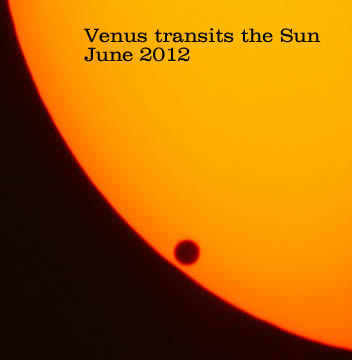
Venus
transits the Sun
|

|
For all your horoscopes, we recommend Ed Tamplin's excellent astrology site.

|
Astrology Oz is best viewed using firefox, screen resolution 1280x1024, macromedia flash enabled.
Firefox - the only browser that gives total control over web browsing, see what you want to see - download firefox

© AstrologyOz 2014
All articles and images on this site are subject to copyright and may not be copied, stored or modified in any way.
AstrologyOz - designed and maintained by Sherrynne Dalby