
Welcome to AstrologyOz
Apologies to all those who rely on this resource.. I have had major server issues which are now hopefully fully resolved.... after 4 months... I will be updating everything over the next week .... so thanks for your patience :)
|
|
|
World
News 2014
|

|
All your planetary data for 2014 is here now Planetary stations , Void of Course Moon , Moon phases and Planet Ingresses for 2014 plus Moon Planting Guide |

|
Jan - April 2014 Planting Guide
,
plus 2014 Moon phases,Planet Ingresses and retrogrades,
|
Best Moon phase for a new Sydney business launchStarting a business in Sydney is both a celestial decision and a very grounded one. Traditional astrology can frame the Moon’s mood for a beginning, but registrations, cash flow, premises and customer demand still determine whether the idea survives contact with reality. The New Moon often attracts founders because it looks like a clean slate. The better choice depends on what needs to happen at launch: planting an idea, testing an offer, negotiating with partners or presenting a finished business to the public. Sydney also adds a useful timing detail. Eastern Standard Time and Australian Eastern Daylight Time move the clock during the year, so check the exact phase for the launch date and place before tying it to a contract, opening or campaign. Why lunar timing shapes a launchIn traditional astrology, the Moon describes the cycle a project is moving through. It can represent immediate conditions, public response and the rhythm of growth, while a birth chart or event chart adds the wider context around the venture. The New Moon is associated with beginnings, while the waxing Moon is linked with developing resources. For an Australian founder, this symbolism is best treated as a reflective planning tool rather than a substitute for due diligence or professional advice. Finding the most useful lunar windowIf you are asking for the best Moon phase for starting a new business in Sydney, start with the New Moon or the following waxing crescent. A New Moon supports a fresh identity and quiet setup; a waxing crescent favours testing, promotion and the first exchange of customers. A cardinal-sign New Moon is traditionally prized for initiation. Use the phase dates, illumination and Void of Course Moon notes in the site’s lunar phase guide to narrow the search. A Void of Course Moon is traditionally considered poor for agreements or fresh commitments, so avoid choosing a launch time that depends on a disputed chart method. Check whether the Sun or another key planet is retrograde. A retrograde launch can suit revision, repair and a relaunch, but it is rarely ideal for a first public announcement with rigid deadlines, cash-raising or negotiations involving unfamiliar suppliers. Comparing the main launch phasesEach lunar phase carries a different emphasis, so compare the activity with the energy rather than treating one date as universally lucky:
Traditional practice gives the Full Moon greater visibility, yet it is not automatically the best beginning. For a Sydney shop, the peak public phase may fit an opening party better than the paperwork and stock purchase that had to happen weeks earlier. Translating Sydney time into actionUse one time zone throughout the launch plan. Sydney switches between Eastern Standard Time and Australian Eastern Daylight Time, so an event booked at 9 am can shift by an hour against a Moon chart. Record whether the chart uses local civil time or sidereal time. Build the calendar backwards from the customer-facing moment. Allow time for ABN registration, business structures, a bank account, insurance, stock, a lease and council requirements. An opening event should not be the first day the business formally exists. Match the day to local habits. A CBD commuter audience may respond to a weekday breakfast offer, while a weekend market in Marrickville or Rozelle may suit a family-oriented stall. Test the format locally before scaling its advertising spend. Meeting Australian legal and market realitiesBefore opening to customers, Australian founders need the right structure and tax settings. Registering an Australian Business Number (ABN), choosing a structure with the Australian Securities and Investments Commission (ASIC), and understanding goods and services tax (GST) are more immediate than selecting a chart. For most businesses, GST registration begins at AUD 75,000 in annual turnover, although some industries and low-value imported goods have different thresholds. Consumer and premises rules also belong in the timeline. The Australian Consumer Law applies nationally, while NSW fair-trading and work health and safety requirements can affect selling practices, leases, signage and staff. Check the relevant council, insurer and Australian Taxation Office guidance for the specific activity. A local launch can also draw on networks built around shared values. The perspectives on collective purpose at and the church may offer a useful prompt when deciding whom the business should serve and how it should contribute to its Sydney community. Building a launch-ready planTreat the lunar choice as one input in a broader launch strategy. Decide whether the selected phase is carrying a registration milestone, a customer trial, a partnership negotiation or a public opening. Trying to make every task happen under the same Moon can leave the business without a coherent sequence. Before booking anything, translate the preferred date into Sydney time and work backwards through every dependency. This prevents an astrologically attractive date from becoming commercially stressful because a supplier, landlord or legal requirement has not been completed. Lunar timing checklist
Sydney execution checklist
Run a reverse schedule from the opening day and assign a responsible person to every task. If the lunar window closes before practical preparations are complete, move the public launch and retain the business’s setup work. Choose one lunar window, verify its Sydney timing, and complete the launch checklist before making the date public. |
|
|
|
Benedict
XVI resigns 2013
|

|
|
|
Election
2013- take 2
|

|
|
|
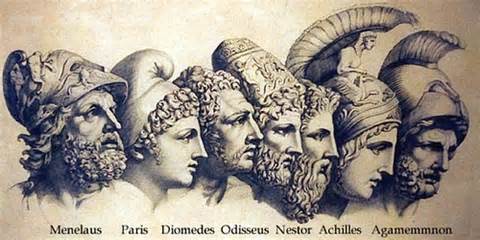
Turkey
Unrest 2013
|
|
|
|
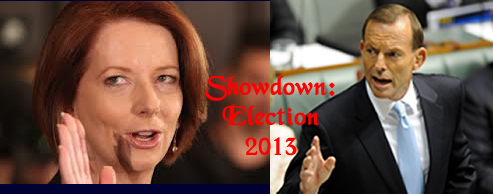
Election
2013
|
|
|
|
World
News 2013
|

|
|
|
Serialised
story of the greates ship of her time and
|

|
|
|
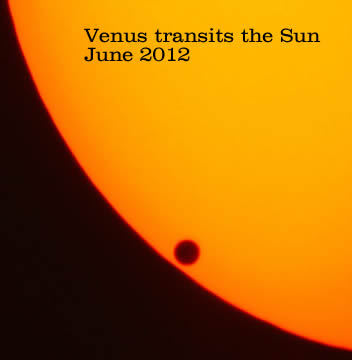
Venus
transits the Sun
|

|
For all your horoscopes, we recommend Ed Tamplin's excellent astrology site.

|
Astrology Oz is best viewed using firefox, screen resolution 1280x1024, macromedia flash enabled.
Firefox - the only browser that gives total control over web browsing, see what you want to see - download firefox

© AstrologyOz 2014
All articles and images on this site are subject to copyright and may not be copied, stored or modified in any way.
AstrologyOz - designed and maintained by Sherrynne Dalby