
Welcome to AstrologyOz
Apologies to all those who rely on this resource.. I have had major server issues which are now hopefully fully resolved.... after 4 months... I will be updating everything over the next week .... so thanks for your patience :)
|
|
|
World
News 2014
|

|
All your planetary data for 2014 is here now Planetary stations , Void of Course Moon , Moon phases and Planet Ingresses for 2014 plus Moon Planting Guide |

|
Jan - April 2014 Planting Guide
,
plus 2014 Moon phases,Planet Ingresses and retrogrades,
|
How Moon phases shape the rhythm of ocean tidesFew natural rhythms are as reliable as the rise and fall of the sea. Walk along any Australian beach at low tide and the sand stretches out into glistening runnels. Return a few hours later and the water has crept back up the shore. This twice-daily pulse is governed by a much larger cycle - the Moon's monthly orbit and its familiar shape. The link between lunar phases and tidal movement is more than folklore. It sits inside the physics of the planet, the geometry of the Earth-Moon-Sun system, and the slow turning of the heavens. Understanding it adds another layer to how Australians read the sky, and offers practical guidance for anyone whose day is shaped by the coast. The gravitational dance between Moon and seaEvery drop of ocean feels the Moon's pull. As the Moon circles the Earth, its gravity draws the seas slightly outward on the side facing it, creating a bulge. On the opposite side, a second bulge forms as the Earth itself is pulled away from its water. These two bulges rotate through the planet as the Earth spins, producing the two high tides and two low tides that most shorelines see each day. The Sun plays a supporting role. Although far less massive than the Moon, the Sun still tugs the same waters, and the relationship between the two bodies changes constantly. When the Sun, Earth, and Moon line up, their combined pull stacks the tides higher. When they form a right angle, the Sun's pull works against the Moon's, and the tides flatten. Four lunar phases and their tidal signaturesThe lunar cycle passes through four principal stages - new moon, first quarter, full moon, and last quarter - and each carries a slightly different tidal character. Around the new and full moons, when the Sun and Moon sit on the same line as Earth, tidal ranges swell to their widest. Surfers at Bondi and swimmers at Cable Beach notice these are the times of the strongest rips and the lowest low tides, exposing reefs that stay hidden the rest of the month. At the first and last quarters, the Sun and Moon sit at right angles to Earth. Their pulls partially cancel each other, producing the smallest tidal range of the month. These calmer tides have their own appeal, especially for families setting up beach tents along the Yorke Peninsula, where the gentler sea is easier on the small boats near shore. In Sydney Harbour, the gap between a king tide and a neap tide can mean a metre or more of water at the same wharf. Spring tides and neap tidesThe extremes have their own vocabulary. The heightened tides near new and full moons are spring tides - nothing to do with the season, despite the name, but rather an old word meaning "to leap up." The diminished tides around the quarter phases are neap tides, from a Norse term meaning "scant." Together they form the breathing pattern of the coast. In places like Darwin and Broome, this rhythm matters in practical ways. Big tides mean big feeding for shorebirds, and the mudflats at Roebuck Bay turn into one of Australia's great ornithological stages at the peak of a spring tide. Smaller neap tides give boats a steadier ride, and fishers often pick them for heading out early from the local marinas. How Australian coastlines feel the Moon's pullThe shape of the continent exaggerates tidal behaviour. The shallow waters of the Great Barrier Reef amplify tidal ranges, and the wide shelf off Broome delivers Australia's biggest. Down the east coast runs the East Australian Current, but the lunar cycle dictates when the surf pumps at Snapper Rocks and when Sydney Harbour peaks. Coastal Australians have grown fluent in tide talk. Locals mention the king tides without explanation - everyone knows they mean the year's highest high tides. Surfers describe the dawnie with affection, knowing it depends as much on the lunar phase as on the swell. Beachgoers at Glenelg or Coogee check the tide before packing the esky, since a low tide means a long walk back at sundown. Ancient records and the preservation of tidal wisdomCoastal peoples recorded tidal patterns in many ways. Early European charts of Western Australia, Polynesian stick-charts, and temple inscriptions from ancient seafaring cultures all noted when the water rose and fell. These records were often kept alongside sacred writings, and scholars have spent considerable effort examining preservation arguments in the ancient record. This history still matters on Australian shores. A glance at the sky tells you much about what the sea is about to do, and anyone who has fished at dawn at Bermagui or walked the wharf at Fremantle at midnight knows the Moon's phase is never far from their mind. Lunar cycles and the rhythm of the working dayThe Moon's influence ripples through many Australian activities. Farmers who follow moon planting guidance time their sowing and pruning to the lunar cycle, working with the same gravitational rhythm that moves the tides. The cycle that nudges the seas also tugs at the moisture inside plants and soils. From Hobart to Cairns, working harbours see traffic that ebbs and flows with the tides. Ferry commuters at Manly wait for it, fishers at Portland time their trips to it, and Sydney-to-Hobart skippers watch the lunar cycle as closely as the weather. The Bureau of Meteorology's tide tables are, in the end, a translation of the Moon's monthly journey. Reading the rhythm of the tides through the skyNext time you walk down to the coast, take a moment to look up. A glance at the Moon's phase tells you immediately whether the tide will be heightened or eased, whether the surf will be weaker or fuller. The sky and the sea speak the same language, and the lunar cycle is the dictionary they share. For anyone who likes to keep track of the lunar cycle in detail, a regularly updated moon phase data page makes planning around the cycle straightforward. Pair that with a tide chart from the local port authority and you have everything required to read the rhythm of the coast with confidence. Plan your coastal week around the Moon's phase. Glance up, check the calendar, and let the lunar cycle shape your time at the shore. Never miss a king tide again. |
|
|
|
Benedict
XVI resigns 2013
|

|
|
|
Election
2013- take 2
|

|
|
|
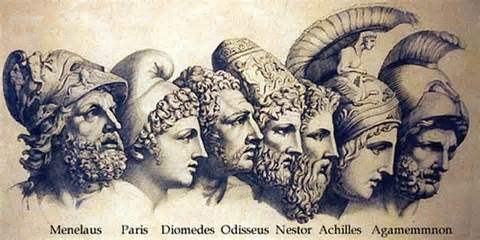
Turkey
Unrest 2013
|
|
|
|
Election
2013
|

|
|
|
World
News 2013
|

|
|
|
Serialised
story of the greates ship of her time and
|

|
|
|
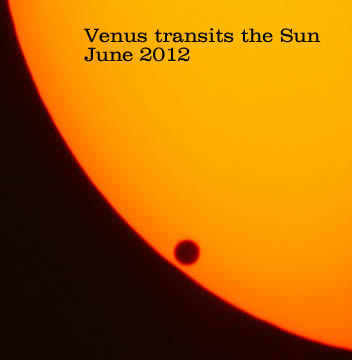
Venus
transits the Sun
|

|
For all your horoscopes, we recommend Ed Tamplin's excellent astrology site.

|
Astrology Oz is best viewed using firefox, screen resolution 1280x1024, macromedia flash enabled.
Firefox - the only browser that gives total control over web browsing, see what you want to see - download firefox

© AstrologyOz 2014
All articles and images on this site are subject to copyright and may not be copied, stored or modified in any way.
AstrologyOz - designed and maintained by Sherrynne Dalby