
Welcome to AstrologyOz
Apologies to all those who rely on this resource.. I have had major server issues which are now hopefully fully resolved.... after 4 months... I will be updating everything over the next week .... so thanks for your patience :)
|
|
|
World
News 2014
|

|
All your planetary data for 2014 is here now Planetary stations , Void of Course Moon , Moon phases and Planet Ingresses for 2014 plus Moon Planting Guide |

|
Jan - April 2014 Planting Guide
,
plus 2014 Moon phases,Planet Ingresses and retrogrades,
|
Tropical And Sidereal Astrology For Australian Birth ChartsAstrologers use two main zodiac frameworks when calculating a birth chart: tropical and sidereal. Both divide the sky into twelve signs, but they measure those signs from different reference points. That distinction can change a person’s Sun, Moon or rising sign, especially when a planet is near the boundary between signs. For Australians, the calculation also depends on accurate local time. A birth recorded in Sydney during daylight saving, for example, may require a different time conversion from a birth recorded in Brisbane, where daylight saving is not observed. The result is a chart shaped by both astronomical conventions and Australian time-zone details. Neither zodiac is automatically the “correct” choice for every purpose. Tropical astrology is widely used in modern Western practice, while sidereal astrology is associated with star-based calculations and several Indian astrology traditions. Understanding the difference helps readers interpret horoscopes, planetary stations and lunar information with greater consistency. Two Zodiac FrameworksThe tropical zodiac begins at the March equinox, defining 0° Aries by the Sun’s seasonal position rather than by the visible constellation of Aries. Its signs move with the cycle of the seasons, making it a system based on the relationship between the Earth and Sun. The sidereal zodiac attempts to keep the signs aligned with the fixed stars. Because Earth’s axis slowly changes direction through a process called precession, the two zodiacs have gradually drifted apart. Most sidereal calculations are currently around 24 degrees behind tropical positions, although the exact difference depends on the ayanamsha used.
Why Australian Birth Charts Can DifferAustralia’s southern-hemisphere location does not reverse the order of the zodiac signs. Aries still follows Pisces and Taurus still follows Aries. However, tropical astrology links signs with seasonal symbolism, so an Australian astrologer may consider how Aries season arrives in autumn rather than spring. This creates an interesting interpretive contrast between international horoscope language and local experience. A Melbourne reader may associate Christmas with long summer days, while a northern-hemisphere horoscope describes cold weather and early winter darkness. The sign framework remains the same, but seasonal imagery needs thoughtful adaptation for Australian readers. Exact birth data matters as well. Sydney, Melbourne, Canberra and Hobart use daylight saving for part of the year, while Brisbane, Darwin and Perth follow different clock arrangements. A small error in the recorded time can alter the Ascendant and house cusps, even when the selected zodiac remains unchanged. Signs, Constellations, And AyanamshaThe twelve astrological signs are equal 30-degree divisions. The astronomical constellations are irregular in size, and the Sun passes through them for unequal periods. Consequently, neither tropical nor sidereal astrology maps perfectly onto the modern constellation boundaries used by astronomers. Sidereal astrology requires an ayanamsha, the calculation used to estimate the gap between the tropical and sidereal zodiacs. Lahiri is common in Indian astrology, but other ayanamshas produce slightly different results. Someone born close to a sign transition may therefore receive different placements from two sidereal calculators. A chart comparison should record the zodiac type, ayanamsha and house system. Without those details, apparently conflicting readings may simply be using different settings. This is particularly important when comparing a newspaper horoscope, an online birth chart and a detailed consultation. Applying The Difference To Australian AstrologyA tropical chart can be useful for readers following seasonal transits, equinoxes, solstices and the conventional Western astrology calendar. It fits naturally with many popular horoscope columns and with planning around planetary ingresses as they are commonly reported in Australian astrology resources. A sidereal chart may appeal to someone who wants planetary positions referenced more closely to the stellar background or who studies Jyotish. Its timing techniques, house practices and interpretive vocabulary can differ substantially from Western astrology, so changing the zodiac alone does not reproduce a complete Vedic reading. Moon-based planning adds another layer. Gardeners checking local conditions can consult this moon planting guide, while remembering that soil, rainfall, frost, regional climate and seasonal planting advice remain practical considerations in Australia. Choosing A Consistent MethodThe best system is usually the one that matches the tradition being studied and is applied consistently. Switching between tropical and sidereal placements in the same interpretation can create confusion unless the change is clearly identified. Useful habits for Australian readers include:
Online archives can help trace how an astrology source presents retrogrades, Moon phases and planetary movements over time. Reviewing the astrology archives is useful when comparing older forecasts with current ephemeris information and seeing which zodiac framework a resource follows. Reading Charts Without Mixing SystemsA person may be tropical Taurus and sidereal Aries, or tropical Gemini and sidereal Taurus, because the zodiacal positions have shifted by roughly one sign in many cases. The difference is most noticeable for people born near sign cusps, although the Moon and Ascendant can change depending on their precise degree and the calculation settings. This does not mean that a birth chart must be reduced to a contest between labels. A thoughtful reading can explain both frameworks, identify the selected method and focus on patterns within that system. Australian readers can then relate the symbolism to their own climate, daylight hours, community traditions and lived surroundings. Choose the framework that suits your study, verify the local birth details and keep the settings visible whenever you compare charts. Use AstrologyOz resources to follow planetary data, lunar cycles and Australian-focused astrology material with a clear understanding of which zodiac is guiding the interpretation. |
|
|
|
Benedict
XVI resigns 2013
|

|
|
|
Election
2013- take 2
|

|
|
|
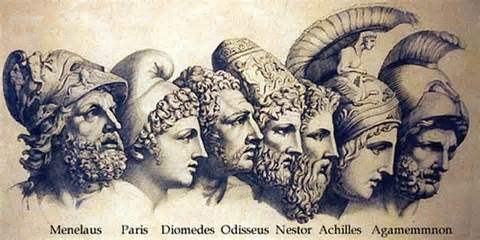
Turkey
Unrest 2013
|
|
|
|
Election
2013
|

|
|
|
World
News 2013
|

|
|
|
Serialised
story of the greates ship of her time and
|

|
|
|
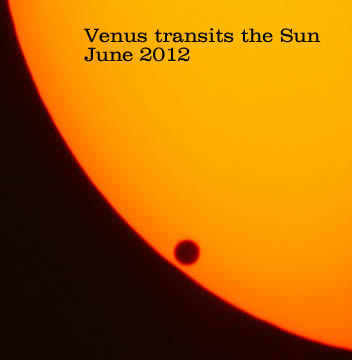
Venus
transits the Sun
|

|
For all your horoscopes, we recommend Ed Tamplin's excellent astrology site.

|
Astrology Oz is best viewed using firefox, screen resolution 1280x1024, macromedia flash enabled.
Firefox - the only browser that gives total control over web browsing, see what you want to see - download firefox

© AstrologyOz 2014
All articles and images on this site are subject to copyright and may not be copied, stored or modified in any way.
AstrologyOz - designed and maintained by Sherrynne Dalby