
Welcome to AstrologyOz
Apologies to all those who rely on this resource.. I have had major server issues which are now hopefully fully resolved.... after 4 months... I will be updating everything over the next week .... so thanks for your patience :)
|
|
|
World
News 2014
|

|
All your planetary data for 2014 is here now Planetary stations , Void of Course Moon , Moon phases and Planet Ingresses for 2014 plus Moon Planting Guide |

|
Jan - April 2014 Planting Guide
,
plus 2014 Moon phases,Planet Ingresses and retrogrades,
|
The Role of Asteroid Lilith in Your ChartAsteroid Lilith is often described as the chart’s point of refusal: the instinct to say no, defend personal space or reject a pattern that feels incompatible with an authentic identity. In natal astrology, that symbolism can point to powerful boundary work, but it is not a prediction of rejection, scandal or misfortune. The name comes from Lilith, the “First Night” of older myth, later reshaped into a symbol of independence and the consequences of refusing submission. Modern astrologers also call Black Moon Lilith, but that calculated lunar point is separate from the minor planet. Rather than treating the symbol as a diagnosis, read it as a question about self-authorisation. Denied anger, desire, sexuality or tenderness may need conscious ownership, while behaviour projected onto other people can become easier to integrate. A grounded reading combines sign, house, aspects, the relevant house ruler and the whole chart. Exact birth time matters most for angles and houses; tighter aspects to Lilith still require an ephemeris and a sensible orb. Reclaiming Denied Desire and PowerLilith’s core vocabulary includes taboo, inhibition, autonomy, candour and the “shadow self”. It may describe a part of life that was judged, hidden or controlled, creating tension whenever someone demands total conformity. This does not mean a person is destined to live in rebellion. A constructive expression might be choosing boundaries with calm consistency, admitting unconventional preferences, or refusing to confuse independence with permanent isolation. The task is integration, not the performance of an outsider’s role. House Placement and Everyday ExpressionIn the first house, the tension appears through self-presentation and personal autonomy; in the seventh, it often develops through partnership, negotiation and unequal power. A fourth-house placement can connect the theme to family expectations, belonging or inherited traditions. The eighth house brings intimacy, shared money, sexuality and trust into focus. The tenth can colour public authority and reputation, while the eleventh involves friendship and group norms. A twelfth-house placement often requires slower recognition because the pattern operates through private habits, silence or symbolically loaded imagery. Signs and Aspects Change the StoryThe sign modifies the style of the story. Fire emphasises direct assertion, earth focuses on body, security and material limits, air centres on language and rules, and water on emotional bonds and intuition. These are interpretive colours, not fixed personality stereotypes. Conjunctions and oppositions can make the theme conspicuous; squares create friction that may demand conscious effort; sextiles and trines suggest the symbolism is available through particular skills. Keep timing separate from natal character: timing through retrograde shadows can illuminate short-term cycles, whereas Lilith describes a longer pattern of boundaries and self-definition. An Australian Reading in ContextAustralia’s standard time zones and state-based daylight saving make verification essential. A birth time labelled AEST during AEDT, for example, could be an hour out and distort the Ascendant, house ruler and aspects used in interpretation. Daily routines provide useful reflection without changing the natal map. A Sydney reader may examine boundary choices around ferry commutes or Bondi walks; a Melbourne reader may notice them during laneway-café meetings or tram travel; a Brisbane reader may find the theme in river-path routines or school-run conversations. Context is personal, not determined by postcode. The Australian market mixes mass-audience horoscope apps with specialist almanacs and local astrology publishing. That makes calculation notes especially valuable: readers should know whether a program lists 1181 Lilith, a mean apsis or a true apsis before comparing interpretations. Under the Privacy Act 1988, exact birth date, time and location may qualify as personal information when collected or shared online. Use a reputable calculator, give only the data needed for a chart, and avoid posting identifying birth details publicly; federal anti-spam rules also apply to commercial email alerts. Distinguishing Lilith Symbols CorrectlyMost confusion begins when software uses the same short name for different objects. Check the ephemeris designation and calculation method before interpreting degree, sign or house. Source discipline also applies outside astrology: identify what a creator is presenting, whether it is specialist ephemeris data or a separate independent project. A direct comparison keeps the two forms of Lilith from being blended:
Make the Symbol UsefulBegin with evidence: record the degree, sign, house and closest aspects, then cross-check the chart ruler and any linked personal history. Journaling can turn abstraction into observation—note a recurring boundary, the emotion beneath it and a response that protects needs without shutting off intimacy. Verify that your chart uses asteroid 1181 Lilith, select one realistic boundary to practise and review the result after a week. Read the wider planetary picture on AstrologyOz, but return to this symbol as a prompt for conscious choice rather than a verdict imposed from above. |
|
|
|
Benedict
XVI resigns 2013
|

|
|
|
Election
2013- take 2
|

|
|
|
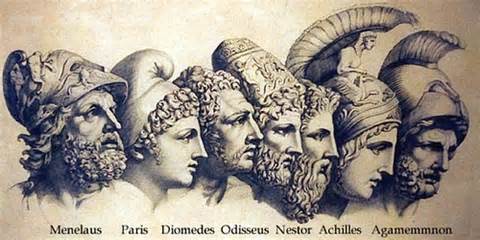
Turkey
Unrest 2013
|
|
|
|
Election
2013
|

|
|
|
World
News 2013
|

|
|
|
Serialised
story of the greates ship of her time and
|

|
|
|
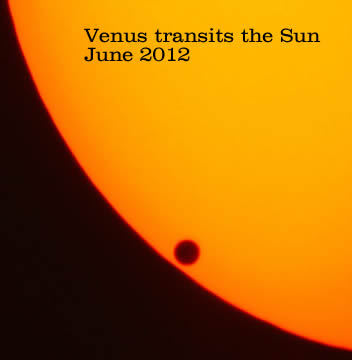
Venus
transits the Sun
|

|
For all your horoscopes, we recommend Ed Tamplin's excellent astrology site.

|
Astrology Oz is best viewed using firefox, screen resolution 1280x1024, macromedia flash enabled.
Firefox - the only browser that gives total control over web browsing, see what you want to see - download firefox

© AstrologyOz 2014
All articles and images on this site are subject to copyright and may not be copied, stored or modified in any way.
AstrologyOz - designed and maintained by Sherrynne Dalby