
Welcome to AstrologyOz
Apologies to all those who rely on this resource.. I have had major server issues which are now hopefully fully resolved.... after 4 months... I will be updating everything over the next week .... so thanks for your patience :)
|
|
|
World
News 2014
|
|
All your planetary data for 2014 is here now Planetary stations , Void of Course Moon , Moon phases and Planet Ingresses for 2014 plus Moon Planting Guide |

|
Jan - April 2014 Planting Guide
,
plus 2014 Moon phases,Planet Ingresses and retrogrades,
|
Libra’s 2025 eclipse and Australia’s peace treatiesThe role of the 2025 lunar eclipse in Libra for Australian peace treaties is best approached as a symbolic lens on negotiation, not a celestial cause of peace or conflict. Libra’s emphasis on balance and reciprocal obligation links it to treaties, but timing symbolism cannot replace evidence, law or local consent. Two lunar eclipses in 2025 occupy Libra: a total eclipse on 14 March at 0° Libra and a partial eclipse on 7 September at 15° Libra. The March Full Moon is the stronger public marker, asking whether relationships built on unequal power can be redrawn through transparent concessions and durable promises. For Australia, that question reaches beyond foreign-policy documents. It touches First Nations treaty-making, reconciliation, regional security and whether public commitments become practical, funded and trusted at home. Libra’s eclipse signals a diplomatic reckoningOn 14 March, totality began at 5:06 pm in Perth, 6:36 pm in Adelaide and Darwin, 7:06 pm in Brisbane and 8:06 pm in Sydney and Hobart. The evening timing made the eclipse accessible to many Australian households, while the September partial fell largely below the horizon for many observers. A visible event can become a shared cultural talking point. Astrologically, a lunar eclipse illuminates what has been operating out of public view. In Libra, this may describe concealed imbalances: who controls the agenda, which costs are being socialised and which rights are treated as optional. AstrologyOz’s planetary and lunar data covers Moon phases, stations, ingresses, retrogrades and eclipse timing, providing a reference before interpretation begins. Why treaty talks feel different in 2025Peace talks rarely begin with an empty table. Australian discussions in 2025 were already shaped by housing and cost-of-living pressures, disputes over national representation, climate vulnerability and conflicts in neighbouring regions. Libra directs attention to whether proposed remedies distribute benefits, responsibilities and risks fairly. That focus can be applied to drafting. “Fairness” becomes testable in clauses covering compensation, land, water, cultural protection, enforcement and review dates. An eclipse reading can prompt negotiators to ask which language hides a one-sided bargain, but it cannot identify the correct settlement or predict its success. First Nations peace and sovereigntyDomestic treaty-making carries a distinct meaning in Australia. For many First Nations, a treaty is not simply a post-conflict peace pact; it can recognise enduring sovereignty and formalise a relationship with the Australian state. State and territory processes in Victoria, South Australia and the Northern Territory therefore belong in any serious account of Australian peace treaties. Local realities shape the pace. Aṉami delegates in northeast Victoria, Kaurna representatives around Adelaide Plains and northern land councils may approach negotiations through different laws, languages and decision-making traditions. Canberra’s parliamentary precinct is one stage, while community halls, cultural protocols and regional media carry the substance.
Foreign accords and regional securityInternationally, Libra speaks to Australia’s accords with Papua New Guinea and Pacific island states, including defence, trade, climate and critical-minerals partnerships. Iron ore and LNG exports, plus minerals used in clean-energy and defence supply chains, give commercial weight to each settlement. An agreement that looks balanced on paper may still fail if smaller partners cannot secure real influence. The eclipse then serves as a relationship checklist. Does an accord provide equal voice, enforceable duties and fair dispute processes? Does regional security connect with local development? Canberra’s value as a trusted convenor will matter as much as the exact treaty language. What to watch in Australian public lifeAttention should move between formal institutions and ordinary Australian conversation. Parliamentary committees, treaty forums, submissions and local ABC coverage show what governments propose; direct exchanges in pubs, footy clubs, school assemblies and community meetings show whether people trust the process. Plain questions about funding, timelines and who has the final say often matter more than abstract ideals. Signals in formal negotiations:
Signals across communities:
These signals do not guarantee an agreement. Together they reveal whether a treaty is becoming normal civic practice rather than a one-off announcement, and whether a Libra promise of balance survives local conditions. Reading the symbolism with clear eyesAstrology offers language for cycles, relationships and public meaning, but it is not evidence that planets caused a political result. A disciplined reading keeps observation, interpretation and action separate: check the chart and local timing, compare the symbolism with actual negotiations, then assess proposals on their legal and practical merits. Readers may also approach public ethics through faith. A faith-based reflection on promise-keeping is available at faithfully committed, while belief and symbolic interpretation remain distinct from claims of political causation. Ceremony can have value without settling policy. New readers can orient themselves through AstrologyOz’s welcome page, then follow election commentary, world news and long-running lunar records alongside official treaty documents. Astrology may sharpen attention to timing and balance, while primary sources establish what governments have actually promised. Turning symbolism into peaceful actionUse the March eclipse as a commemorative prompt rather than a forecast. Put 14 March 2025 beside the Australian peace treaty or international accord you want examined, then read the latest text and implementation record. Check parliamentary calendars, treaty forums, official consultations and local media for the next verifiable milestone. Choose one civic action today: attend a public forum, make a submission, contact a representative, support independent mediation, or invite Traditional Owners and community leaders into an equal exchange. Share dates and evidence, distinguish symbolic claims from documented facts, and return to your commitment when the next negotiating milestone arrives. |
|
|
|
Benedict
XVI resigns 2013
|

|
|
|
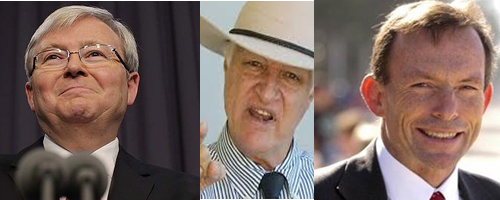
Election
2013- take 2
|
|
|
|
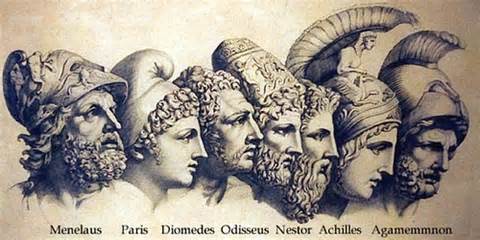
Turkey
Unrest 2013
|
|
|
|
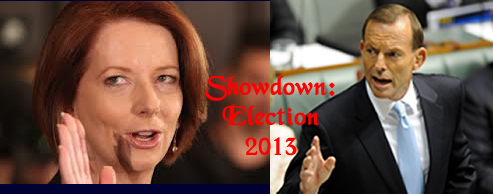
Election
2013
|
|
|
|
World
News 2013
|

|
|
|
Serialised
story of the greates ship of her time and
|

|
|
|
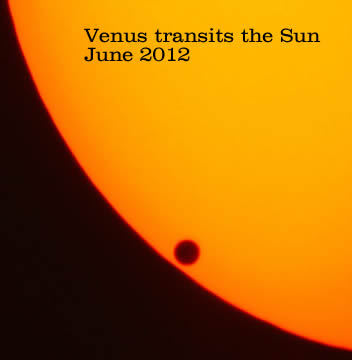
Venus
transits the Sun
|

|
For all your horoscopes, we recommend Ed Tamplin's excellent astrology site.

|
Astrology Oz is best viewed using firefox, screen resolution 1280x1024, macromedia flash enabled.
Firefox - the only browser that gives total control over web browsing, see what you want to see - download firefox

© AstrologyOz 2014
All articles and images on this site are subject to copyright and may not be copied, stored or modified in any way.
AstrologyOz - designed and maintained by Sherrynne Dalby