
Welcome to AstrologyOz
Apologies to all those who rely on this resource.. I have had major server issues which are now hopefully fully resolved.... after 4 months... I will be updating everything over the next week .... so thanks for your patience :)
|
|
|
World
News 2014
|

|
All your planetary data for 2014 is here now Planetary stations , Void of Course Moon , Moon phases and Planet Ingresses for 2014 plus Moon Planting Guide |

|
Jan - April 2014 Planting Guide
,
plus 2014 Moon phases,Planet Ingresses and retrogrades,
|
Mapping the Twelve Houses Through an Australian LensThe twelve houses form the skeleton of every natal chart, dividing the sky into twelve distinct arenas of human experience. In Australia, astrologers read these houses through a southern perspective that subtly shifts how planetary placements are interpreted. The seasons run in reverse, the constellations appear upside down, and the cultural reference points differ from those used in traditional European or American texts. For anyone studying their chart locally, understanding the houses within an Australian context transforms abstract symbolism into something grounded. A chart calculated for Sydney tells a very different story from one calculated for London, even when the planets sit in identical signs. Resources like AstrologyOz treat the southern hemisphere seriously, offering planetary data and interpretive frameworks tailored to life down under. The Southern Hemisphere Effect on House ReadingWhen an astrologer in Hobart casts a chart, the layout looks mirror-imaged compared to a chart cast for a city in the northern latitudes. The Midheaven, which represents career and public standing, often falls in different signs entirely. Many Australians are surprised to discover their tenth house cusp sits in a sign they never expected. Australian seasons also run counter to the northern calendar. When Cancer season begins in late December, Aussies are in the middle of summer. A planet transiting the fourth house, traditionally linked with home and family foundations, can coincide with Christmas lunch on the back verandah or a New Year's gathering by the beach at Bondi. These seasonal flips make house meanings feel different in practice. The First Three Houses: Identity, Money and the Local YarnThe first house represents the physical body and personal identity, while the second governs personal finances and possessions. The third house covers communication, siblings, and local travel. In Australia, the third house often involves vast distances. A quick trip from Adelaide to the Barossa might be short by world standards but still a proper arvo on the road. Australians often display a relaxed, self-deprecating sense of self, and astrologers locally notice that first house placements carry a distinctly larrikin flavour. The second house reflects the cultural emphasis on property ownership, with many Aussies chasing the quarter-acre block despite soaring prices in Sydney and Melbourne. The third house speaks to the Aussie gift for tall tales and informal speech, where a friendly stranger becomes a mate within minutes. The Fourth House: Home, Family and the Aussie FoundationsThe fourth house, anchored by the Imum Coeli, points to the deepest roots of the self. In Australian culture, the concept of home carries strong emotional weight, whether that means a weatherboard cottage in Hobart, a fibro shack in a coastal town, or a modern apartment in Brisbane's inner suburbs. Many families across the country have stories of migration, both recent European arrivals and older Indigenous lineages. Placements here often reveal the family dynamic passed down through generations, including the bonds formed over a Sunday roast or a sausage sizzle at Bunnings. The fourth house also represents the private self, where someone can drop the public mask. For many Australians, this means returning to the rhythms of the land, the smell of eucalyptus after rain, and the sound of magpies in the morning. Houses Five Through Eight: Creativity, Service, Intimacy and Shared ResourcesThe fifth house covers creativity, romance, children and leisure. The sixth governs work routines, health and daily duties. The seventh house represents partnerships and one-to-one relationships, while the eighth deals with shared resources, taxes, inheritance and deeper intimacy. Together, these middle houses describe the texture of daily adult life. In the Australian context, the sixth house frequently captures the realities of shift work in remote mining towns, FIFO rosters, or the gig economy that has spread through capital cities. The seventh house may describe partnerships forged across cultural backgrounds, a common feature in multicultural Sydney and Melbourne. The eighth house can touch on superannuation, a uniquely Australian retirement structure that ties directly into shared financial resources. Houses Nine and Ten: Wanderlust and Public CallingThe ninth house embraces higher education, philosophy, long-distance travel and belief systems. Australians are famously well travelled, partly because international destinations are so far away that a working holiday visa or a European tour becomes a rite of passage. Planets here often describe the journey to Europe, Asia or the Americas that shapes so many young Aussies in their twenties. The tenth house, anchored by the Midheaven, speaks to career and public reputation. Australia's economy leans heavily on resources, agriculture and a growing tech sector in Sydney and Melbourne. A strong tenth house placement may indicate someone drawn to politics, mining, or the creative industries, from a Perth-based mining executive to a Melbourne-based author. Houses Eleven and Twelve: Community, Spirit and the BushThe eleventh house covers friendships, community groups, hopes and collective ideals. Australia has a rich tradition of clubs, from surf lifesaving associations to RSL branches, footy clubs and local progress associations. Planets here often describe the social circles that sustain someone through life's challenges, including the famous Aussie tradition of helping a neighbour in need during bushfire season. The twelfth house represents the unconscious, solitude, spirituality and what lies hidden. In a country where much of the landscape remains sparsely populated, it carries themes of isolation, the long drive through the outback, and the contemplative quiet of remote places. It also points to the spiritual life, including the ancient celestial knowledge held by Aboriginal Australians, whose astronomy traditions predate modern Western astrology by countless generations. Comparing House Systems for Australian ChartsDifferent house systems produce different cusps, and the choice matters for accuracy. The following comparison outlines the major systems used by astrologers in Australia, with notes on their applicability for southern hemisphere charts.
For readers new to chart interpretation, the article library offers further guides on choosing a system that suits your style. Reading the twelve houses through an Australian lens means paying attention to local seasons, geography, and the cultural patterns that shape daily life. Whether someone lives in Perth, Darwin, Canberra or a small town in the wheat belt, the houses speak to universal themes filtered through place. Exploring your chart with these Australian perspectives can reveal connections to the land and the collective rhythms of life across the continent. A careful look at the houses, combined with accurate planetary data, opens a window into how the sky above the southern seas mirrors the life lived below. |
|
|
|
Benedict
XVI resigns 2013
|

|
|
|
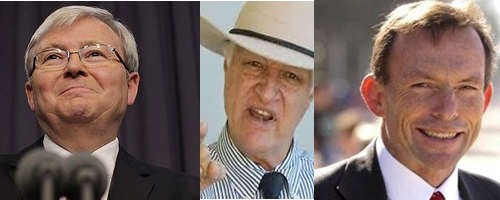
Election
2013- take 2
|
|
|
|
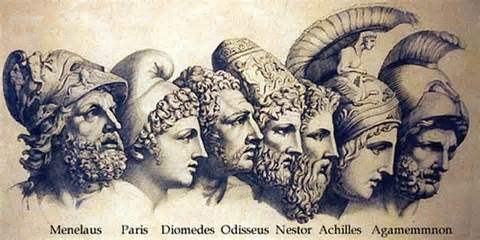
Turkey
Unrest 2013
|
|
|
|
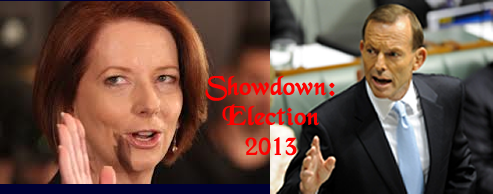
Election
2013
|
|
|
|
World
News 2013
|

|
|
|
Serialised
story of the greates ship of her time and
|

|
|
|
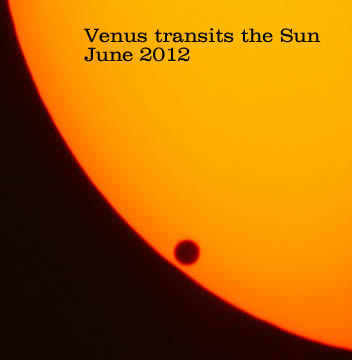
Venus
transits the Sun
|

|
For all your horoscopes, we recommend Ed Tamplin's excellent astrology site.

|
Astrology Oz is best viewed using firefox, screen resolution 1280x1024, macromedia flash enabled.
Firefox - the only browser that gives total control over web browsing, see what you want to see - download firefox

© AstrologyOz 2014
All articles and images on this site are subject to copyright and may not be copied, stored or modified in any way.
AstrologyOz - designed and maintained by Sherrynne Dalby