
Welcome to AstrologyOz
Apologies to all those who rely on this resource.. I have had major server issues which are now hopefully fully resolved.... after 4 months... I will be updating everything over the next week .... so thanks for your patience :)
|
|
|
World
News 2014
|

|
All your planetary data for 2014 is here now Planetary stations , Void of Course Moon , Moon phases and Planet Ingresses for 2014 plus Moon Planting Guide |

|
Jan - April 2014 Planting Guide
,
plus 2014 Moon phases,Planet Ingresses and retrogrades,
|
Saturn, Uranus and the Political Mood in Australia During 2024Astrology often describes political periods through the tension between established structures and disruptive forces. Saturn represents rules, institutions, limits and accountability, while Uranus is associated with reform, shocks, technology and demands for independence. Their difficult relationship is useful for examining why public life can feel unsettled even when governments appear to be functioning normally. The Saturn–Uranus cycle linked with 2024 was largely a continuing influence from the major square of 2021, rather than a new exact square during the year. Saturn travelled through Pisces and Uranus through Taurus, carrying forward questions about economic security, authority and the pace of change. This distinction matters when interpreting planetary data and avoiding exaggerated claims about a single transit. For Australian observers, the symbolism connected readily with everyday concerns: mortgage repayments in Sydney and Melbourne, rental shortages in Brisbane and Perth, supermarket prices, energy policy and arguments about migration. Political astrology cannot replace polling, legislation or economic analysis, but it can provide a framework for considering the emotional climate around these events. The AstrologyOz resources offer a useful setting for following planetary stations, ingresses, retrogrades and related Australian astrology material. The Meaning Of A Saturn Uranus TensionSaturn seeks continuity. It favours budgets, procedures, regulation and carefully staged decisions. Uranus interrupts that pattern with sudden demands for innovation, decentralisation and freedom. When the two planets form a tense relationship, political debate may divide between those who want stronger controls and those who believe existing systems have become too slow or rigid. In 2024, the influence was best understood as background pressure. The exact Saturn–Uranus square belonged to the earlier 2021 period, when governments worldwide faced lockdown disputes, supply interruptions and arguments about restrictions. Its consequences continued through debates about public debt, housing, digital systems, energy infrastructure and the legitimacy of institutions. Saturn in Pisces added a less concrete dimension. It raised questions about how governments respond to humanitarian needs, climate anxiety, health services and social vulnerability. Uranus in Taurus kept attention on food, land, banking, property and material security. Together, these themes reflected a public desire for stability alongside frustration that familiar economic arrangements were no longer reliable. Australian Politics Under PressureAustralia’s political mood in 2024 was shaped by the cost of living and housing availability. The federal government’s changes to the Stage 3 tax cuts, beginning in July, showed the Saturn–Uranus dilemma clearly: legislation preserved the basic tax framework while altering its distribution to respond to changing economic and social expectations. Supporters described the adjustment as fairer; critics regarded it as a breach of an earlier political commitment. Housing provided another strong expression of the symbolism. High rents, limited supply and mortgage stress affected households from Sydney and Melbourne to regional centres. Policies involving planning, social housing, migration levels and institutional investment carried both Saturnian and Uranian qualities. Regulation attempted to contain instability, while new construction methods, zoning reforms and alternative housing models challenged established practices. Daily habits also made the broader political story tangible. Australians compared prices at Coles, Woolworths and Aldi, reduced discretionary spending, and watched interest-rate decisions closely. In Perth and Adelaide, population growth and construction costs shaped local conversations differently from those in inner Melbourne or western Sydney. These practical pressures gave abstract planetary themes a recognisable social form.
Legislation, Reform And Public TrustSaturn’s political language is often found in legislation. During 2024, Australian debates about industrial relations, migration, housing, environmental approvals and online safety reflected a desire to make complex systems more manageable. Each new rule also raised a Uranian concern: whether regulation would solve a problem or create an inflexible structure that quickly became outdated. The proposed reforms surrounding misinformation, digital platforms and artificial intelligence belonged to this same tension. Governments sought safeguards and accountability, while businesses, journalists and civil-liberties advocates worried about excessive control. Uranus tends to accelerate technological change faster than Saturn can write durable rules, creating a recurring gap between innovation and governance. Public trust was therefore central. The defeat of the Voice referendum in 2023 remained part of the political background in 2024, especially in discussions about constitutional change, representation and institutional authority. Saturn can preserve a familiar framework, while Uranus exposes dissatisfaction with that framework. The result may be caution rather than immediate transformation. Elections And The Search For StabilityState politics offered several examples of voters weighing continuity against disruption. Tasmania held a state election in March, Queensland went to the polls in October, and the Australian Capital Territory held its election in the same month. Local concerns varied, but health services, housing, transport, infrastructure and population growth repeatedly influenced public judgement. Queensland’s debate over energy transition illustrated the planetary contrast particularly well. Traditional industries, regional employment and reliable power carried Saturnian concerns about security and livelihoods. Renewable energy projects, grid upgrades and climate targets expressed Uranian pressure for a different economic future. Political parties had to present change as safe enough to accept. The federal election was not required until 2025, yet 2024 functioned as a preparatory year. Party positioning, leadership narratives and budget choices were tested against an electorate tired of instability. Saturn’s influence encouraged demands for competence and measurable delivery, while Uranus kept alive the possibility of an unexpected campaign issue, policy reversal or shift in voter alignment. Reading The Transit Without FatalismA responsible astrological interpretation does not claim that Saturn or Uranus causes a government to fall. Planetary symbolism can describe patterns of pressure, timing and collective mood, but real outcomes depend on institutions, media, economics, leadership and voter behaviour. This is especially important in Australia, where federal and state responsibilities divide attention across different political arenas. The most constructive reading of the 2024 influence is a negotiation between reform and resilience. Saturn asks whether a proposal can be funded, administered and maintained. Uranus asks whether the proposal is imaginative enough to address changed conditions. Political choices that ignored either side risked appearing either reckless or out of touch. Readers tracking planetary stations, lunar phases and sign changes may find it helpful to compare astrological timing with parliamentary calendars and major economic announcements. Independent perspectives such as planetary timing notes can add context, while Australian-focused observation keeps interpretations connected to local experience rather than importing assumptions from American or European politics. Use this Saturn–Uranus framework as a reflective tool when studying Australia’s political cycles. Follow the relevant transits, compare them with legislation and election dates, and keep practical evidence alongside symbolic interpretation. Visit AstrologyOz for ongoing planetary data and Australian astrology commentary, then form your own measured view of how reform, resistance and public expectations continue to shape political life. |
|
|
|
Benedict
XVI resigns 2013
|

|
|
|
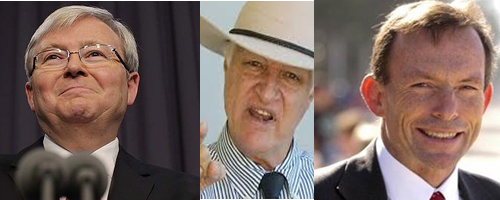
Election
2013- take 2
|
|
|
|
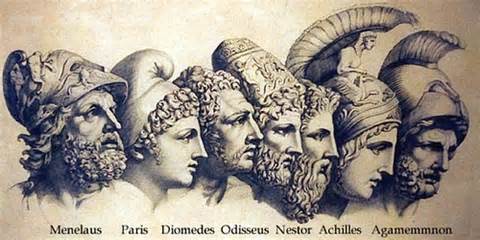
Turkey
Unrest 2013
|
|
|
|
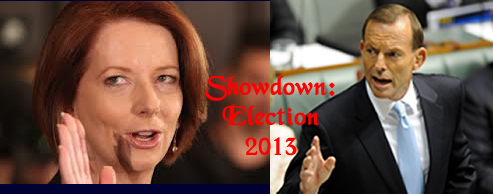
Election
2013
|
|
|
|
World
News 2013
|

|
|
|
Serialised
story of the greates ship of her time and
|

|
|
|
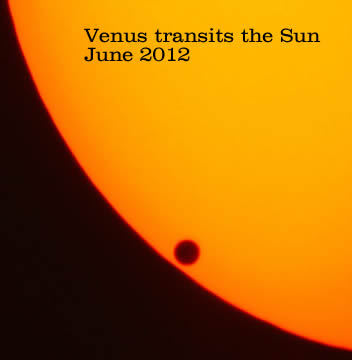
Venus
transits the Sun
|

|
For all your horoscopes, we recommend Ed Tamplin's excellent astrology site.

|
Astrology Oz is best viewed using firefox, screen resolution 1280x1024, macromedia flash enabled.
Firefox - the only browser that gives total control over web browsing, see what you want to see - download firefox

© AstrologyOz 2014
All articles and images on this site are subject to copyright and may not be copied, stored or modified in any way.
AstrologyOz - designed and maintained by Sherrynne Dalby