
Welcome to AstrologyOz
Apologies to all those who rely on this resource.. I have had major server issues which are now hopefully fully resolved.... after 4 months... I will be updating everything over the next week .... so thanks for your patience :)
|
|
|
World
News 2014
|

|
All your planetary data for 2014 is here now Planetary stations , Void of Course Moon , Moon phases and Planet Ingresses for 2014 plus Moon Planting Guide |

|
Jan - April 2014 Planting Guide
,
plus 2014 Moon phases,Planet Ingresses and retrogrades,
|
Mercury Neptune: intuitive writing in 2025The 2025 Mercury–Neptune trine gives language a distinctly imaginative current. Mercury governs how an idea becomes words, while Neptune works through images, atmosphere, dreams and symbolic association. Together, they can make intuitive writing feel less like forcing a sentence and more like catching a live thread. Intuitive writing does not mean treating every impulse as wisdom. The trine is best understood as an opening for receptive attention: one image leads to another, a remembered detail acquires meaning, and the mind connects things before it can fully justify them. Clarity comes later, when the writer returns with judgement intact. Timing still matters. Using common tropical timing, the clearest exact contacts fall around 8 August and 20 November. Australian time zones, daylight saving and personal birth charts can change the practical window, but the creative theme remains consistent. Timing the contact for Australian writersMercury reaches roughly 2° Leo while Neptune sits near 2° Aries for the August trine, then they meet again around 28° Scorpio and 28° Pisces in November. In August, Sydney, Melbourne and Brisbane use AEST, Adelaide uses ACST and Perth uses AWST. NSW, Victoria, South Australia and Tasmania change clocks in October; Queensland and Western Australia do not. Astrological dates online often omit the clock or assume another country. For a location-specific calculation, cross-check the exact degree and time against the Australian planetary calendar, then apply the relevant zone and daylight-saving rule. Use a birth chart rather than a public forecast if the aim is to understand your own writing rhythm. Recognising intuitive writingIntuitive writing sounds associative but not careless. A line might begin with the scent of eucalyptus, a colour from a dream or the rhythm of a train. The writer follows the image into meaning, allowing metaphor to do work that formal argument cannot yet do. This is the trine’s most useful gift: momentum without obvious strain. It can also be deceptive. Neptune may blur a remembered fact, turn a wish into a certainty or give an unsupported claim an elegant disguise. Keep those risks visible. Intuition should generate possibilities and emotional truth; evidence should establish names, dates, quotations and other details readers may rely on. Building a receptive writing sessionGive the process a modest container: ten unedited minutes, one image and no backspacing. Freewrite first, underline recurring words and only then make an outline. Keep a separate file for facts so that verification does not interrupt the first draft. Australian daily life already supplies useful containers. An Opal card connection can punctuate a Sydney commute, a tram ride or laneway café stop can structure a Melbourne writing hour, and a Brisbane downpour can turn a walk into a recording session. The setting need not be picturesque; it simply gives attention a clear beginning and end. Choosing a method for the first draftThe same aspect can support different writing modes. Choose the method that matches the material you have rather than expecting every session to produce polished prose.
Use free association for heat, imagery for discovery and outlining for material that must remain accurate. After the first pass, read the draft aloud and mark where the voice changes. That audible shift often reveals where intuition supplied texture and where an unchecked assumption needs firmer language. Moving from private insight to public workKeep the raw session private, then create a separate working draft. Preserve the strongest image, clarify who the piece is for and remove claims that cannot be supported. If the writing draws on friends, clients or family, replace identifying details unless consent is explicit. For background on symbolic interpretation and the astrologer’s craft, books by Sherrynne Dalby provide a useful companion shelf. The Australian publishing market offers routes through independent bookshops, local author events and community markets, while a personal reading can begin as a newsletter or workshop. Before publication, check copyright and moral-rights obligations under the Copyright Act 1968. If a story contains identifiable personal information, determine whether the Privacy Act 1988 or relevant state or territory rules apply, and obtain sensible consent. A reliable intuitive writing practiceMake the practice repeatable without making it sterile. A short prompt, a fixed period and a clear stopping point let intuition operate without turning every fragment into an obligation. The goal is a usable draft, not constant revelation. Use these prompts as checkpoints, then follow the one that produces the strongest response:
Keeping the work honestThe trine describes a favourable mental climate, not a guarantee of insight. Good judgement still requires distance. Put a draft aside, compare it with evidence and ask someone in the intended audience what they actually understood. A symbol that impresses the writer but leaves the reader lost still needs revision. Track what the practice produces rather than what it promises. Notes on completed drafts, clearer arguments and accurate research provide more information than a tally of vivid experiences. The August contact may invite fresh imagery; the November contact can favour synthesis as the planetary picture changes. Both reward deliberate follow-through. Choose one image from the August or November window, set a ten-minute timer and write without correcting the first sentence. When time is up, circle the phrase with the most energy and develop only that. Begin with one image, one honest draft and one clear next step. |
|
|
|
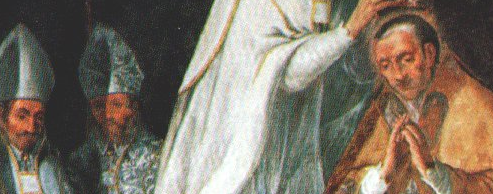
Benedict
XVI resigns 2013
|
|
|
|
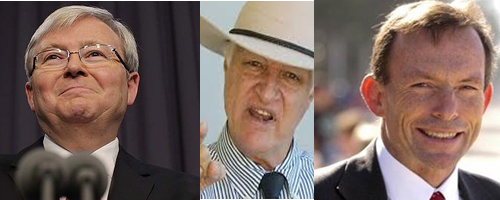
Election
2013- take 2
|
|
|
|
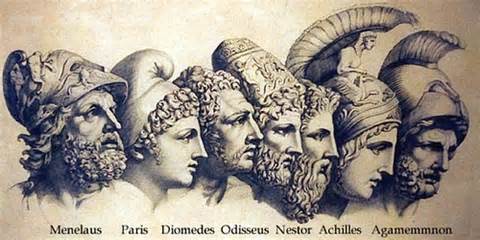
Turkey
Unrest 2013
|
|
|
|
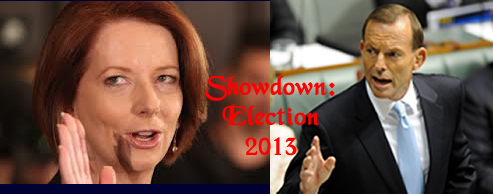
Election
2013
|
|
|
|
World
News 2013
|

|
|
|
Serialised
story of the greates ship of her time and
|

|
|
|
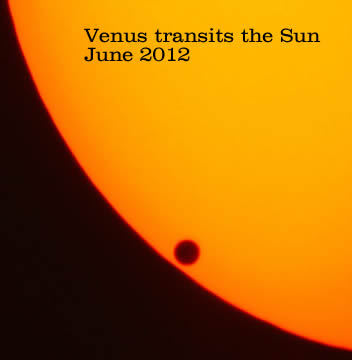
Venus
transits the Sun
|

|
For all your horoscopes, we recommend Ed Tamplin's excellent astrology site.

|
Astrology Oz is best viewed using firefox, screen resolution 1280x1024, macromedia flash enabled.
Firefox - the only browser that gives total control over web browsing, see what you want to see - download firefox

© AstrologyOz 2014
All articles and images on this site are subject to copyright and may not be copied, stored or modified in any way.
AstrologyOz - designed and maintained by Sherrynne Dalby