
Welcome to AstrologyOz
Apologies to all those who rely on this resource.. I have had major server issues which are now hopefully fully resolved.... after 4 months... I will be updating everything over the next week .... so thanks for your patience :)
|
|
|
World
News 2014
|

|
All your planetary data for 2014 is here now Planetary stations , Void of Course Moon , Moon phases and Planet Ingresses for 2014 plus Moon Planting Guide |

|
Jan - April 2014 Planting Guide
,
plus 2014 Moon phases,Planet Ingresses and retrogrades,
|
Using the moon phase calendar for goal trackingThe lunar cycle offers a rhythmic framework that has guided human activity for thousands of years. In Australia, where seasonal markers follow a southern hemisphere pattern, aligning personal ambitions with the moon's journey through the sky creates a natural pacing tool that many find both grounding and effective. Working with the moon phase calendar for goal tracking invites a different relationship with time, one that honours cycles of growth, action, reflection and rest. Australians juggling work in Sydney or Melbourne, study in Adelaide, or remote projects from the Kimberley often manage busy schedules that leave little space for structured reflection. A lunar approach offers roughly a four-week arc to plant, build, peak and release, which can be easier to sustain than rigid annual resolutions. The rhythm dovetails with how many communities already mark the year, from the June long weekend through to the summer holidays in December and January. The practice is not about superstition or blind devotion to celestial timing. It is a practical method for breaking larger ambitions into manageable arcs, checking progress, and resetting when energy wanes. Used consistently, the lunar calendar becomes a visual diary of intention and outcome, helping you notice patterns you might otherwise miss. Reading the eight lunar phasesThe moon moves through eight distinct phases each synodic month, and each carries a different quality of energy. The new moon marks a seed moment, when intentions are set. The waxing crescent builds momentum, the first quarter invites decisive action, and the waxing gibbous asks for refinement and adjustment. The full moon brings illumination and a sense of harvest, when earlier effort becomes visible. The waning gibbous invites gratitude, the last quarter encourages course correction, and the waning crescent offers rest and integration. Understanding these phases transforms the calendar from a simple date tracker into a layered tool for tracking goals through lunar cycles. For Australians observing the moon from different latitudes, the phases occur at the same universal moments, though local moonrise and moonset times shift depending on whether you are watching from Perth, Darwin or Hobart. Consulting a reliable local moon phase table helps align your personal schedule with the exact timing in your region. Planting intentions at the new moonNew moons occur roughly every 29.5 days, each carrying a particular astrological flavour depending on the zodiac sign. For goal setting, the new moon is the moment to articulate what you want to grow over the following four weeks. Writing a short intention, choosing one to three specific goals, and noting them in a journal creates a record you can revisit at the full moon. Australians often find the new moon lands at a useful time for fresh starts, particularly around the southern hemisphere summer new moons in November and December. A simple ritual might include lighting a candle, reviewing the past cycle, and writing down clear, positive statements about the goal. Keep the language active and present tense. Some goal setters add a small action step to each intention, such as booking a class, scheduling a meeting, or researching a short course. Pairing cosmic timing with practical commitment strengthens the habit and gives the goal a foothold in ordinary life, whether that means enrolling in a TAFE program in Brisbane or joining a running club in Parramatta. Building during the waxing phasesThe waxing phases, from the new moon through to the full moon, are the action arc of the lunar month. This is the window for outreach, training, drafting, applying, and pushing forward on projects that require momentum. Many Australians schedule their most demanding work during this fortnight. The first quarter moon, about a week after the new moon, is a traditional checkpoint to ask whether the original intention still fits and to remove any obstacle. The waxing gibbous phase is ideal for refinement, editing, and polishing the details that will make the goal successful at its full moon peak. If you are working on a fitness goal, this is when consistent training pays off. If you are launching a small business from Adelaide or building a portfolio in Perth, the waxing window is the time to publish, pitch, and promote. Treat the full moon as a natural deadline and structure your weekly tasks around that marker. Reflecting at the full moon and releasing on the waning sideThe full moon is traditionally a moment of culmination and visibility, when whatever has been building comes into the light. In goal tracking, this is your review point. Look back at the intention set two weeks earlier and honestly assess what has progressed, what has stalled, and what needs to change. Australians who keep a moon journal often find this reflection more honest than a monthly review. The waning phases that follow are the release arc. The waning gibbous invites gratitude for what has worked. The last quarter moon is a moment to recommit or let go of approaches that are not serving the goal. The waning crescent offers a period of rest, withdrawal and integration before the next new moon arrives. For those interested in the deeper currents shaping the year, exploring the united states pluto return can offer context for collective themes, even as you focus on your own personal cycle. Adapting the lunar calendar to Australian timingBecause Australia sits in the southern hemisphere, the seasons run counter to those in the north, and this affects how lunar work feels throughout the year. The June new moon arrives in early winter, when many Australians are drawn indoors and naturally reflective. The December new moon lands in high summer, coinciding with long evenings and festive energy that can either support or scatter focus. Aligning lunar goal setting with the Australian calendar means noting when public holidays, school terms, and major events like the Melbourne Cup or the AFL finals fall within a particular lunar cycle. If a full moon lands on a busy weekend, you might shift your reflection to a quieter evening. If a new moon falls during a camping trip in the Blue Mountains, you can do your intention setting by torchlight. Some Australians wind down after a long week by browsing fast payout slots guides and similar light entertainment, treating a relaxed evening as a waning phase reward. The point is not to add more rules but to weave lunar awareness into the rhythms that already shape life here, from the morning commute in Canberra to the long summer evenings on a verandah in Adelaide. Begin by choosing one upcoming new moon and writing down a single, clear intention. Keep a small notebook or note on your phone, record the date and the exact lunar phase, and check in with that goal at the first quarter, the full moon, and the last quarter. Within three cycles you will have a clear record of what works, what stalls, and how your energy shifts with the moon. Visit the moon phase and Void of Course Moon tables on this site to find the exact timing for your city, and let the lunar calendar become a quiet companion on the path toward your goals. |
|
|
|
Benedict
XVI resigns 2013
|

|
|
|
Election
2013- take 2
|

|
|
|
Turkey
Unrest 2013
|
|
|
|
Election
2013
|

|
|
|
World
News 2013
|

|
|
|
Serialised
story of the greates ship of her time and
|

|
|
|
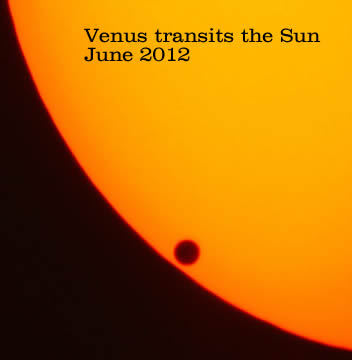
Venus
transits the Sun
|

|
For all your horoscopes, we recommend Ed Tamplin's excellent astrology site.

|
Astrology Oz is best viewed using firefox, screen resolution 1280x1024, macromedia flash enabled.
Firefox - the only browser that gives total control over web browsing, see what you want to see - download firefox

© AstrologyOz 2014
All articles and images on this site are subject to copyright and may not be copied, stored or modified in any way.
AstrologyOz - designed and maintained by Sherrynne Dalby