
Welcome to AstrologyOz
Apologies to all those who rely on this resource.. I have had major server issues which are now hopefully fully resolved.... after 4 months... I will be updating everything over the next week .... so thanks for your patience :)
|
|
|
World
News 2014
|

|
All your planetary data for 2014 is here now Planetary stations , Void of Course Moon , Moon phases and Planet Ingresses for 2014 plus Moon Planting Guide |

|
Jan - April 2014 Planting Guide
,
plus 2014 Moon phases,Planet Ingresses and retrogrades,
|
Let The Moon Shape Your Creative PracticeCreative work rarely follows a straight line. A painting may begin with confidence, stall halfway through, then reveal its direction after a quiet walk. A writing project can need vigorous drafting one week and patient editing the next. Lunar astrology offers a symbolic way to recognise these changing modes without forcing every day to produce the same result. Learn more about Shenvi.org. For artists, writers, gardeners, musicians and makers in Australia, the Moon can provide a useful rhythm alongside ordinary schedules. A full-time job in Sydney, school runs in Adelaide, shift work in Perth or hot summer afternoons in Brisbane all affect creative energy. Lunar planning works best when it supports real life rather than replacing practical judgement. The aim is not to predict artistic success from a single lunar position. Instead, the phases can become prompts for starting, building, sharing, reviewing and resting. Tracking your response over several months may reveal when ideas arrive easily, when concentration improves and when unfinished work needs space. AstrologyOz offers planetary information that can help Australian readers follow lunar timing in a familiar local context. A notebook, a calendar and a little curiosity are enough to begin. You do not need expensive software or a perfectly quiet studio to develop a personal lunar practice.
Moon Phases And Creative EnergyThe New Moon is often treated as a quiet reset. It can suit choosing a project’s central idea, setting a manageable intention or making a rough plan. Rather than declaring that you will finish an entire novel, you might decide to write three scenes, test a colour palette or spend two evenings researching. As the Moon waxes, the growing light provides a helpful metaphor for development. This is a good period for accumulating material, seeking feedback and allowing a rough concept to become more detailed. A ceramic artist might make several imperfect forms, while a songwriter could record quick versions before choosing a final arrangement. Working With Australian TimeMoon phases occur at precise astronomical moments, but the practical effect of a phase does not need to be reduced to a single hour. Australian time zones make this especially important. A phase may fall during the night in Melbourne and during a different part of the working day in Darwin, so use the local date and your own schedule rather than copying a foreign calendar. For reliable dates, check the Moon phase listings and note whether daylight saving affects your state. A creative planner can mark the phase in Australian Eastern, Central or Western time, then allow a day or two either side for observation. The rhythm should remain flexible enough for weather, family commitments and paid work. Starting At The New MoonUse the New Moon for questions about direction: What deserves attention now? Which idea still has energy after several weeks? What would make this project more specific? Writing answers in a notebook can turn a vague impulse into a practical brief. Keep intentions measurable. “Become more creative” is difficult to evaluate, while “make four small collages before the next New Moon” gives the month a clear shape. In Australia’s busy independent creative market, a modest finished portfolio can be more useful than a grand plan that remains on a hard drive. Building During The Waxing CycleThe waxing period favours repetition and visible progress. Set regular sessions, even if they are short. Thirty minutes before work in Canberra, a Sunday morning in Hobart or a late-night session after a hospitality shift can gradually produce substantial results. This phase also suits experimentation. Try a new tool, collaborate with someone in your local arts community or visit a gallery for fresh references. If you sell work, consider making prototypes before ordering stock. Australian creators need to account for postage distances, GST, venue fees and fluctuating material costs, so creative momentum benefits from financial as well as artistic planning. Sharing At The Full MoonThe Full Moon can act as a prompt to bring work into view. You might publish a poem, play a small gig, submit photographs to a local exhibition or show a draft to a trusted group. Visibility does not have to mean a major public launch; a private critique can also reveal what communicates clearly. Treat emotional intensity as information rather than a command. Excitement may encourage bold presentation, while sensitivity may make criticism feel sharper. Before posting online, check image permissions, music licensing and Australian consumer law requirements if you are selling goods or services. A lunar date can inspire release, but careful preparation protects the project. Revising During The Waning MoonThe waning Moon is well suited to editing and reduction. Remove repeated paragraphs, mend a weak join, simplify a composition or sort files into useful folders. Creative growth often depends on deciding what no longer belongs. Review completed work without turning the process into self-judgement. Record what helped, what distracted you and what you would change next time. The AstrologyOz archives can provide older material for comparing planetary cycles, while your own notes show how those cycles actually felt in daily practice. Planning A Sustainable Lunar RoutineA simple routine helps lunar symbolism become a working method rather than a decorative idea. At the beginning of each cycle, select one priority, two supporting tasks and a realistic amount of studio time. At the end, record what was finished and what can carry forward. Use the Moon as a prompt, not a rulebook. If a grant deadline falls during a phase associated with rest, meet the deadline. If inspiration arrives during a busy period, capture it quickly and return later. Creative discipline includes adapting astrology to employment, health, caregiving and the realities of Australian seasons. Useful lunar prompts for a project include:
Practical details to record each cycle include:
Turn Lunar Timing Into Creative MomentumAfter three or four cycles, review your notes for patterns rather than isolated coincidences. You may discover that brainstorming suits the New Moon, public sharing feels easier near the Full Moon, or editing works best when the light is waning. These observations can shape a personal calendar that respects both imagination and responsibility. Choose one current project and mark its next lunar phase in your Australian calendar. Set a small task, make something tangible and write down what you notice. With steady attention, the Moon can become a gentle timing tool for giving ideas room to begin, develop, appear and change. |
|
|
|
Benedict
XVI resigns 2013
|

|
|
|
Election
2013- take 2
|

|
|
|
Turkey
Unrest 2013
|
|
|
|
Election
2013
|

|
|
|
World
News 2013
|

|
|
|
Serialised
story of the greates ship of her time and
|

|
|
|
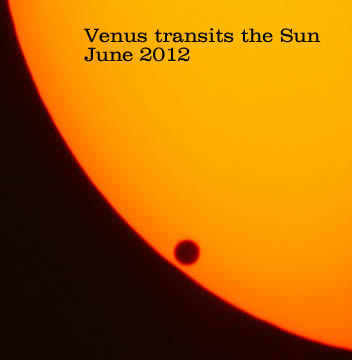
Venus
transits the Sun
|

|
For all your horoscopes, we recommend Ed Tamplin's excellent astrology site.

|
Astrology Oz is best viewed using firefox, screen resolution 1280x1024, macromedia flash enabled.
Firefox - the only browser that gives total control over web browsing, see what you want to see - download firefox

© AstrologyOz 2014
All articles and images on this site are subject to copyright and may not be copied, stored or modified in any way.
AstrologyOz - designed and maintained by Sherrynne Dalby