
Welcome to AstrologyOz
Apologies to all those who rely on this resource.. I have had major server issues which are now hopefully fully resolved.... after 4 months... I will be updating everything over the next week .... so thanks for your patience :)
|
|
|
World
News 2014
|

|
All your planetary data for 2014 is here now Planetary stations , Void of Course Moon , Moon phases and Planet Ingresses for 2014 plus Moon Planting Guide |

|
Jan - April 2014 Planting Guide
,
plus 2014 Moon phases,Planet Ingresses and retrogrades,
|
Working with the void of course moon for meditationThe void of course moon is one of those astrological moments that invites us to slow down. After the moon completes its final major aspect before changing signs, it drifts without precise connections for a few hours, sometimes longer. Many practitioners treat this window as a pause before pushing forward. Australian astrologers often note that void periods coincide with subtle shifts in energy, a soft exhale between conversations. The moon is the closest celestial body to us, and its quiet interludes mirror the pauses we need in our own lives. For those who keep moon tables and watch planetary stations, the void offers a reliable rhythm for reflective work. It slips easily into a week in Sydney or Melbourne, fitting between meetings and school runs without demanding elaborate ritual. What follows is a practical approach to using these quiet windows, suited to the southern hemisphere's reversed seasons and the way Australian practitioners often structure their day. What the void of course moon meansThe technical definition is simple. The moon moves through the zodiac in about two and a half days per sign, forming angles called aspects with planets along the way. When it completes its last exact major aspect before changing signs, it is considered void of course until the next ingress. Some astrologers limit the period to those moments when no further major aspect will form at all. Others use a broader definition that includes minor aspects. Either way, the window usually lasts a few hours, though it can stretch across an entire day depending on the moon's speed. Australian almanacs list void periods in local time, AEST in winter and AEDT in summer, with adjustments for South Australia, Western Australia, and Queensland. This attention to local time matters because the experience of a void moon is felt in real time, not as an abstract idea. The quality of liminal spaceThere is something genuinely liminal about the void of course moon. It is a small doorway between one chapter of the lunar journey and the next. Astrologers in the Australian tradition sometimes describe it as the moon holding its breath, gathering itself before entering the next sign. This quality can unsettle people who like to act. New initiatives, important conversations, and major purchases are often cautioned against because the energy drifts and reshapes whatever is begun. Yet that same drifting quality is what makes the void so fertile for inner work. Practitioners who have worked with these periods describe them as a cosmic quiet hour. Like the soft hush over Hobart's harbour just before dusk, or the pause between waves on a Gold Coast beach, the void invites a turning inward that the busy aspects around it rarely allow. The same impulse to pause and question inherited narratives shows up in other traditions too, including the myth of a single bible version that long shaped assumptions about early American Christianity. Meditation approaches for void hoursWhen the moon goes void, the nervous system often appreciates gentle, non-directed practice. Sitting in stillness, following the breath, or using a simple body scan suit these hours well. The aim is not to chase insight but to let the mind settle the way the moon settles between aspects. Ten or fifteen minutes is usually enough. Many Australian practitioners pair their void meditation with a walk through a local park in Adelaide or along the Yarra in Melbourne, letting footsteps carry the practice forward. Slow walking combined with quiet observation works beautifully with drifting lunar energy. Journaling can also become a form of meditation during void periods. Writing without agenda, letting sentences arrive without editing, mirrors the moon's un-aspected state. What emerges often surprises the writer, surfacing material the usual mind would have screened out. Reflection prompts for the voidReflection during a void of course moon tends to look backward rather than forward. It is a good time to review the lunar cycle, notice what has stirred, and allow things to settle. A few simple prompts work well in these windows.
These are invitations to listen, not questions demanding answers. Holding them lightly, the way you might hold a warm cuppa on a chilly Canberra morning, lets whatever needs to surface do so without force. For those who keep a regular practice, void periods are a good moment to revisit intentions set at the new moon. The contrast between focused new moon energy and un-focused void energy creates a useful rhythm of beginning and releasing. Working with Australian moon tablesAustralian moon tables and planting guides are tailored to the southern hemisphere. Because seasons reverse those of the northern hemisphere, lunar calendars designed for European or North American readers need adaptation, and local tables such as those on AstrologyOz offer useful reference points. A few practical pointers help when working with these tables:
For readers new to lunar observation, it helps to remember that the void is a feature of the moon's daily travel through the zodiac, not a sign of something going wrong. Once that is felt in the body, the tables become less a set of rules and more a guide to natural rhythms. The void of course moon is one of the more accessible tools in the astrological toolkit because it arrives regularly and asks very little. Sitting with it for a few minutes, walking with it for a few hundred metres, or simply noticing when it begins and ends is enough to start building a felt sense of its rhythm. Over a season or two, the void becomes familiar, a quiet companion that returns every couple of days. The current lunar tables at AstrologyOz provide a clear starting point, with monthly notes on planetary stations and ingresses that situate each void period in the wider astrological weather. Set a reminder, brew a cuppa, and let the next void moon show you what it has been waiting to say. |
|
|
|
Benedict
XVI resigns 2013
|

|
|
|
Election
2013- take 2
|

|
|
|
Turkey
Unrest 2013
|
|
|
|
Election
2013
|

|
|
|
World
News 2013
|

|
|
|
Serialised
story of the greates ship of her time and
|

|
|
|
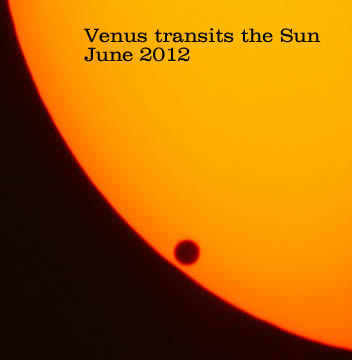
Venus
transits the Sun
|

|
For all your horoscopes, we recommend Ed Tamplin's excellent astrology site.

|
Astrology Oz is best viewed using firefox, screen resolution 1280x1024, macromedia flash enabled.
Firefox - the only browser that gives total control over web browsing, see what you want to see - download firefox

© AstrologyOz 2014
All articles and images on this site are subject to copyright and may not be copied, stored or modified in any way.
AstrologyOz - designed and maintained by Sherrynne Dalby