
Welcome to AstrologyOz
Apologies to all those who rely on this resource.. I have had major server issues which are now hopefully fully resolved.... after 4 months... I will be updating everything over the next week .... so thanks for your patience :)
|
|
|
World
News 2014
|

|
All your planetary data for 2014 is here now Planetary stations , Void of Course Moon , Moon phases and Planet Ingresses for 2014 plus Moon Planting Guide |

|
Jan - April 2014 Planting Guide
,
plus 2014 Moon phases,Planet Ingresses and retrogrades,
|
When To Plant Tomatoes With The 2025 Moon CalendarTomatoes are warm-season plants, so the best lunar date still needs to match local weather, soil temperature and the length of your growing season. In Australia, a moon planting calendar can help choose a favourable window, but it should work alongside practical gardening rather than replace it. The traditional approach is simple: sow or transplant fruiting crops such as tomatoes while the Moon is waxing, between the new moon and full moon. The increasing light is believed to support leafy, above-ground growth. Use the 2025 lunar phases as a timing guide, then adjust for your state, microclimate and the condition of each seedling. Match The Moon With Australian SeasonsFor most southern Australian gardens, tomato planting is strongest from September to November, once cold nights have eased. Melbourne, Hobart and elevated parts of Canberra may need to wait until October or even early November because a late frost can damage young plants. Tomatoes prefer warm soil, with night temperatures consistently above about 10°C. In Brisbane and northern New South Wales, planting can begin earlier, often from August, although intense summer heat may reduce fruit set. Perth and Adelaide generally suit spring planting from September onwards. In Darwin and other tropical areas, the dry season is usually more reliable than the wet season, with April to July often offering better conditions than periods of heavy rain and humidity. Use The 2025 Lunar PhasesFor fruiting plants, select a waxing Moon window after each new moon. In 2025, useful new-moon dates fall approximately on 29 January, 28 February, 29 March, 28 April, 27 May, 25 June, 25 July, 23 August, 22 September, 21 October, 20 November and 20 December. The exact local date can vary slightly between Australian time zones, so check the phase for your location. A practical Australian choice is the waxing period in late winter or spring. For example, a gardener in Sydney might transplant hardened seedlings during the waxing Moon in September or October, while a Hobart grower may use the waxing Moon in November. The resources at AstrologyOz lunar guides can help you check moon phases, planetary movements and other timing details in an Australian context.
Choose The Right Planting WindowThe lunar phase is only one part of the decision. Check the soil with your hand: it should feel warm, crumbly and moist rather than cold and waterlogged. A sheltered spot beside a north-facing wall can help in Melbourne or Adelaide, while afternoon shade may protect plants from scorching in Brisbane, Perth and inland areas. Start seeds indoors or in a protected tray several weeks before transplanting. Move seedlings outside gradually, placing them outdoors for a few hours at first and extending the time each day. This hardening-off routine is especially important for plants raised in a warm nursery or sunny windowsill. Adapt To Local Gardens And RulesAustralian growing conditions vary sharply within the same city. A balcony in inner Sydney may dry out quickly in a small pot, while a suburban garden in Adelaide may need mulch and careful watering during hot northerly winds. In Perth, sandy soil benefits from compost and water-holding organic matter. In Hobart, black plastic pots can warm roots, but plants still need protection from cold nights. Watering rules also change with local council conditions and seasonal restrictions. Use drip irrigation or a watering can where required, water in the morning, and check current council guidance before installing or operating irrigation systems. State biosecurity laws also affect the movement of soil, seedlings and plant material; Western Australia and Tasmania are particularly strict, so buy from approved local suppliers and avoid carrying home-grown plants across borders. Tomato prices and varieties at Australian markets reflect the season. Cherry tomatoes often appear earlier and crop for longer, while large heirloom types need a longer warm period. Growing a mix of compact, determinate varieties and taller indeterminate varieties can spread harvests and reduce the risk of losing everything to one heatwave or disease outbreak. Care For Plants After The Moon DatePlant tomatoes deeply, removing the lowest leaves and covering part of the stem. The buried section can develop extra roots, giving the plant better stability and access to moisture. Add compost before planting, then mulch once the soil has warmed; keep mulch a few centimetres away from the stem to discourage rot. Tie tall varieties to stakes or trellis as they grow, and inspect leaves regularly for fungal spotting, caterpillars and whitefly. Consistent watering is more important than occasional heavy soaking because irregular moisture can contribute to cracked fruit and blossom-end rot. Reusable fabric materials can also be useful for gentle ties, shade covers or garden supports; readers exploring fabric gardening ideas may find relevant material choices for durable outdoor use. Track the planting date, moon phase, variety, weather and harvest size in a notebook. After one season, you can see whether the lunar timing helped your routine while identifying what really shaped results in your garden—temperature, water, soil, pests or plant variety. Use the 2025 waxing-moon dates as a flexible planting prompt, then let frost forecasts, soil warmth and local regulations make the final decision. Prepare seedlings early, select a suitable Australian variety and plant during the first reliable warm window for your area. |
|
|
|
Benedict
XVI resigns 2013
|

|
|
|
Election
2013- take 2
|

|
|
|
Turkey
Unrest 2013
|
|
|
|
Election
2013
|

|
|
|
World
News 2013
|

|
|
|
Serialised
story of the greates ship of her time and
|

|
|
|
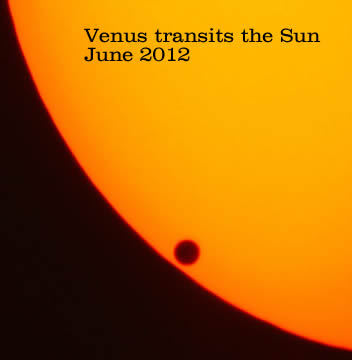
Venus
transits the Sun
|

|
For all your horoscopes, we recommend Ed Tamplin's excellent astrology site.

|
Astrology Oz is best viewed using firefox, screen resolution 1280x1024, macromedia flash enabled.
Firefox - the only browser that gives total control over web browsing, see what you want to see - download firefox

© AstrologyOz 2014
All articles and images on this site are subject to copyright and may not be copied, stored or modified in any way.
AstrologyOz - designed and maintained by Sherrynne Dalby