
Welcome to AstrologyOz
Apologies to all those who rely on this resource.. I have had major server issues which are now hopefully fully resolved.... after 4 months... I will be updating everything over the next week .... so thanks for your patience :)
|
|
|
World
News 2014
|
|
All your planetary data for 2014 is here now Planetary stations , Void of Course Moon , Moon phases and Planet Ingresses for 2014 plus Moon Planting Guide |

|
Jan - April 2014 Planting Guide
,
plus 2014 Moon phases,Planet Ingresses and retrogrades,
|
Why Your Moon Sign Shapes Your Emotional WorldYour Sun sign often receives the attention in horoscopes because it represents identity, purpose and the way you express your individuality. Yet your emotional responses usually develop from a quieter part of the birth chart. The Moon describes instinct, comfort, memory, attachment and the private reactions that appear before you have time to explain them. This is why your Moon sign matters more than your Sun sign for emotions. Someone may present as confident and adventurous through their Sun sign, while their Moon sign reveals a strong need for security, familiar routines or reassurance. For Australian readers exploring planetary symbolism, the AstrologyOz resources offer useful context for following signs, lunar cycles and other chart factors. The Moon And Your Emotional BaselineIn astrology, the Moon is associated with your emotional baseline: the inner setting you return to when life becomes demanding. It can describe what helps you settle after a difficult day, how you receive care and which experiences make you feel protected. These patterns are often formed early, through family life, home routines and emotional memories. A person with an Earth Moon may seek practical solutions, quiet surroundings and dependable plans. A Water Moon may absorb the atmosphere of a room and need time alone to process feelings. Fire Moon placements can react quickly and recover through movement or direct expression, while Air Moons may need conversation, perspective and mental space. This symbolism can explain why people with the same Sun sign behave very differently in intimate situations. Two Leos may both value warmth and recognition, yet one may need constant social connection while the other privately requires retreat and emotional privacy. Why Sun Sign Descriptions Can Feel IncompleteThe Sun represents conscious identity and the qualities you are learning to embody. It is relevant to ambition, creativity, vitality and the direction you want your life to take. A short Sun sign horoscope, however, cannot account for the full range of your emotional needs. The Moon is more visible in everyday reactions. It can appear when you are tired after a long commute across Sydney, unsettled by a sudden change of plans in Melbourne or seeking familiar comfort during a hot Brisbane evening. These moments often reveal the lunar sign more clearly than a public personality does. Birth charts also contain the Moon’s house placement, aspects and phase. A Moon close to Saturn may approach feelings cautiously, while a Moon linked with Venus may prioritise harmony and affection. The sign gives the emotional style, but the wider chart shows where and how that style operates.
Reading Your Moon Sign In RelationshipsYour lunar placement can reveal how you give and receive reassurance. A Taurus Moon may appreciate consistency, shared meals and physical comfort. A Gemini Moon may feel loved when a partner stays curious and communicative. A Scorpio Moon may need trust, privacy and emotional honesty before becoming fully open. These preferences matter in Australian relationships, where social life may include relaxed barbecues, beach gatherings, sporting events and extended family visits. A sociable Sun sign may enjoy the event itself, while the Moon sign determines whether you feel restored by company or need a quiet evening afterwards. The Moon can also describe conflict habits. Some people need immediate discussion, while others require a pause before they can name what they feel. Understanding this difference can reduce personal blame. Instead of treating a reaction as irrational, you can recognise it as a familiar emotional defence and choose a more constructive response. Lunar Cycles And Everyday Self-AwarenessTracking the Moon’s phases can help you notice emotional patterns without treating astrology as a substitute for professional mental health care. A new Moon may provide a useful symbolic point for setting intentions, while a full Moon can encourage reflection on feelings that have been building. The value lies in observation and journalling rather than prediction alone. Australians already plan many activities around natural cycles and seasonal conditions, from gardening in regional New South Wales to watching tides on the Queensland coast. Moon planting traditions and lunar calendars can provide an additional reflective rhythm, especially for people who enjoy connecting personal routines with the natural world. A simple practice is to record your mood, sleep, social energy and significant events for a lunar month. Note whether you felt more private, expressive, restless or grounded. Over time, this creates a personal record that can be compared with planetary stations, transits and the Moon’s movement through your natal chart. Using The Moon Sign With The Whole ChartThe Moon sign should be given importance without isolating it from the rest of the horoscope. The Ascendant describes your immediate style and presentation, Venus relates to affection and values, and Mars can show how desire and anger are expressed. The Sun still matters because it describes the conscious self you are developing. The most useful interpretation combines these layers. A Virgo Sun may seek competence and order, a Pisces Moon may absorb emotional undercurrents, and a Sagittarius Ascendant may appear open and adventurous. Together, these placements create a richer picture than any single sign can provide. For readers in Perth, Adelaide, Canberra or regional communities, astrology can also be a reflective language for considering changing routines, relationships and priorities. Use accurate birth data where possible, especially the time and place, because the Moon changes signs approximately every two to three days and can sit close to a sign boundary. Find your Moon sign, observe its needs through the next lunar cycle and compare those patterns with your Sun sign. Explore the planetary calendars and astrology articles at AstrologyOz to deepen that practice, then keep the insights that help you understand your feelings with greater patience and clarity. |
|
|
|
Benedict
XVI resigns 2013
|

|
|
|
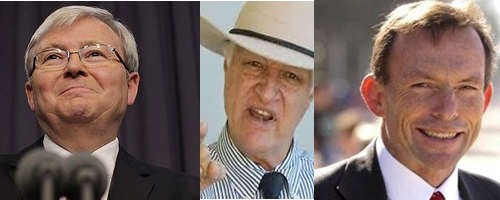
Election
2013- take 2
|
|
|
|
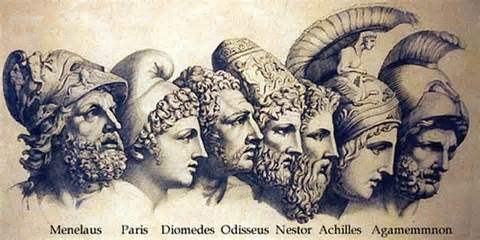
Turkey
Unrest 2013
|
|
|
|
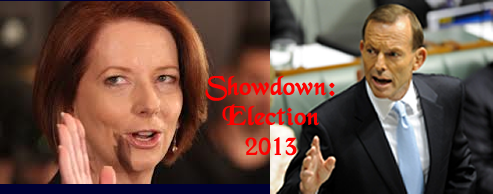
Election
2013
|
|
|
|
World
News 2013
|

|
|
|
Serialised
story of the greates ship of her time and
|

|
|
|
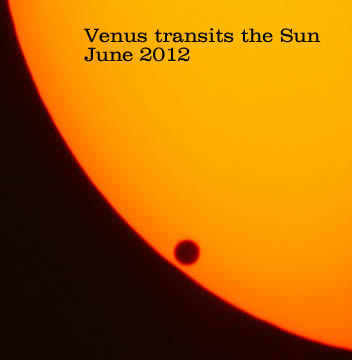
Venus
transits the Sun
|

|
For all your horoscopes, we recommend Ed Tamplin's excellent astrology site.

|
Astrology Oz is best viewed using firefox, screen resolution 1280x1024, macromedia flash enabled.
Firefox - the only browser that gives total control over web browsing, see what you want to see - download firefox

© AstrologyOz 2014
All articles and images on this site are subject to copyright and may not be copied, stored or modified in any way.
AstrologyOz - designed and maintained by Sherrynne Dalby