
Welcome to AstrologyOz
Apologies to all those who rely on this resource.. I have had major server issues which are now hopefully fully resolved.... after 4 months... I will be updating everything over the next week .... so thanks for your patience :)
|
|
|
World
News 2014
|

|
All your planetary data for 2014 is here now Planetary stations , Void of Course Moon , Moon phases and Planet Ingresses for 2014 plus Moon Planting Guide |

|
Jan - April 2014 Planting Guide
,
plus 2014 Moon phases,Planet Ingresses and retrogrades,
|
Sydney’s 2025 Lunar Eclipse Viewing GuideLunar eclipses are among the easiest celestial events to watch from Australia. Unlike a solar eclipse, a lunar eclipse can be viewed safely with the naked eye, and Sydney’s coastal outlooks, parks and elevated suburbs can offer excellent views when the Moon is above the horizon. In 2025, Sydney has two lunar eclipses to track, although they will not be equally impressive from the city. The March event is only partly visible after moonrise, while the September eclipse reaches totality high enough in the early morning sky for a much better experience. What Sydney Can See in 2025The first lunar eclipse occurs on 14 March 2025. It is a total lunar eclipse globally, but Sydney misses the total phase because the Moon is below the horizon when the Moon turns fully red. By moonrise, observers may catch the final partial stages, with the eastern sky offering the best direction. The second event occurs overnight from 7 to 8 September 2025. This total lunar eclipse is the main viewing opportunity for Sydney residents. The Moon remains above the horizon through totality, weather permitting, and the eclipse will be visible across much of Australia. The March Eclipse After MoonriseSydney is on Australian Eastern Daylight Time in March. Totality occurs in the late afternoon and early evening local time, before the Moon rises for most observers in the city. The Moon may appear low in the eastern sky around the later partial phase, close to sunset and moonrise. This means the March eclipse is a challenging event rather than a full totality experience. Buildings, headlands and haze near the horizon could obstruct the view. If you are near Bondi, Manly or another coastal location, choose an unobstructed eastern outlook and arrive before moonrise to allow your eyes to adjust. The September Total Lunar EclipseThe September eclipse is visible in Sydney during the early hours of Monday, 8 September. The partial eclipse begins at approximately 2:27 am AEST, totality starts around 3:30 am and lasts until about 4:52 am. The Moon then gradually leaves the darker part of Earth’s shadow before the event ends near dawn. During totality, the Moon can turn copper, brick-red or deep orange. The colour depends on dust, smoke and cloud in Earth’s atmosphere, so the view may differ between Sydney, Melbourne, Brisbane and regional locations. The Moon will be in the western part of the sky, making a clear western horizon especially useful. Choosing a Sydney Viewing LocationA darker location improves contrast, but you do not need to travel far from the city. Sydney Observatory Hill, Centennial Park and elevated suburban lookouts can work well if trees and buildings do not block the Moon. Coastal locations may provide a broad horizon, though sea mist and bright nearby lighting can affect clarity. For the September event, check the western sky from your chosen location during the preceding evening. A backyard, apartment balcony or quiet suburban oval may be more practical than a distant national park at 3:30 am. If you travel outside Sydney, remember that local roads, wildlife and limited lighting require extra care before dawn. Equipment, Weather and ComfortBinoculars can reveal the changing edge of Earth’s shadow across the Moon, while a small telescope may show lunar craters in sharper detail. No special eye protection is needed for a lunar eclipse. A phone or camera can record the scene, although handheld images often make the Moon look smaller than expected. September mornings can be cold, even after a mild Sydney winter. Bring a warm layer, a thermos and a stable chair, and check cloud forecasts shortly before leaving home. A tripod, manual camera settings and a low-light setting will improve photographs, while a simple visual observation can be more rewarding than spending the entire event looking at a screen. The Astrological Meaning of Lunar EclipsesIn astrology, a lunar eclipse is treated as an intensified Full Moon. It occurs when the Sun, Earth and Moon align near the lunar nodes, and astrologers often associate the symbolism with culminations, revelations and changes in emotional priorities. The March and September events belong to different zodiacal contexts, so readers may interpret them through separate themes. Astrology is best used here as a reflective framework rather than a substitute for astronomical timing. Those who follow Moon phases, planetary stations and retrogrades can compare the eclipses with a personal birth chart or a broader Australian astrology calendar. A journal entry made before and after each event can help separate immediate emotion from longer-term patterns. Tracking Timings and Moon InformationExact visibility depends on the observer’s location, horizon and local conditions. Sydney’s eastern and western suburbs can have slightly different views because of hills, towers and tree cover, while daylight, moonrise and moonset determine which eclipse stages are actually visible. Always use local AEST or AEDT times rather than relying on a generic international schedule. AstrologyOz maintains an astrology archives collection covering past articles and planetary information. It can provide useful background when comparing lunar eclipses with other celestial cycles, including Moon phases, ingresses and planetary stations. A Practical Viewing ChecklistA little preparation makes an early-morning eclipse much easier to enjoy. Use a reliable time reference, inspect the western horizon and decide whether you will watch from home or travel to a darker site.
The March event is worth attempting if you enjoy catching a brief celestial change after moonrise, but the September eclipse deserves priority in your calendar. Sydney observers should aim to be settled before 3:30 am AEST on 8 September, when the Moon enters totality and the most dramatic colours are likely to appear. Save the dates, check the forecast and invite friends or family to share the experience. Whether you watch from a balcony in Parramatta, a park near the harbour or a darker regional location, recording the eclipse alongside its local time and appearance will create a useful personal sky journal. |
|
|
|
Benedict
XVI resigns 2013
|

|
|
|
Election
2013- take 2
|

|
|
|
Turkey
Unrest 2013
|
|
|
|
Election
2013
|

|
|
|
World
News 2013
|

|
|
|
Serialised
story of the greates ship of her time and
|

|
|
|
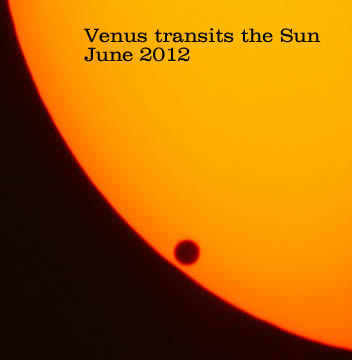
Venus
transits the Sun
|

|
For all your horoscopes, we recommend Ed Tamplin's excellent astrology site.

|
Astrology Oz is best viewed using firefox, screen resolution 1280x1024, macromedia flash enabled.
Firefox - the only browser that gives total control over web browsing, see what you want to see - download firefox

© AstrologyOz 2014
All articles and images on this site are subject to copyright and may not be copied, stored or modified in any way.
AstrologyOz - designed and maintained by Sherrynne Dalby