
Welcome to AstrologyOz
Apologies to all those who rely on this resource.. I have had major server issues which are now hopefully fully resolved.... after 4 months... I will be updating everything over the next week .... so thanks for your patience :)
|
|
|
World
News 2014
|

|
All your planetary data for 2014 is here now Planetary stations , Void of Course Moon , Moon phases and Planet Ingresses for 2014 plus Moon Planting Guide |

|
Jan - April 2014 Planting Guide
,
plus 2014 Moon phases,Planet Ingresses and retrogrades,
|
Best blood moon ritual days in 2025 under Australian skiesTwo total lunar eclipses occur in Australia’s 2025 sky, on Friday 14 March and Sunday 7 September. Both are commonly called blood moons, although the reddish colour is created by sunlight filtered through Earth’s atmosphere during totality, not by anything occurring on the Moon itself. Their ritual value differs sharply because one happens below the Australian horizon and the other is visible before dawn. When weighing the best days in 2025 for blood moon rituals based on Australian skies, visibility should matter more than an eclipse calendar alone. Sunday 7 September is the strongest visible date, although it coincides with Father’s Day in Australia and requires either a very early start or a next-day integration ritual. What counts as a blood moon in 2025The first total lunar eclipse takes place at about 5:01 pm AEST on 14 March, with the Moon near 24° Virgo. The second reaches maximum at 4:39 am AEST on 7 September, with the Moon near 15° Pisces. A lunar eclipse always occurs at full Moon, when Earth blocks direct sunlight from reaching the lunar surface. Astrologically, eclipses are usually treated as periods of release, revelation and disrupted patterns, rather than ideal times for ambitious new beginnings. The Virgo eclipse favours clearing, revising and ending a neglected cycle; the Pisces eclipse favours emotional surrender, forgiveness and intuition. These are symbolic traditions, not claims that planets cause changes in human affairs. Australian visibility and eclipse timingLocal clocks make the contrast clear. On 14 March, eastern states are on AEST, South Australia and the Northern Territory on ACST, and Western Australia on AWST. By September, all states use standard time, with daylight saving absent. The listed window covers totality, not the longer penumbral phases. Local clock times for totality are:
During March totality, the Moon has not yet risen for most Australian locations, so the copper colour cannot be seen. On 7 September, the eclipsed Moon is above the horizon throughout totality, although clouds can still interrupt the view. Check the Bureau of Meteorology forecast, your exact local moon times and a clear western horizon before travelling. Matching each eclipse to a ritual themeFor March, work with what needs ending: finish a reflective inventory, clear an altar or workspace, donate unused supplies and close an unfinished commitment. Avoid traditional “planting” symbolism for a new venture, because Virgo’s eclipse emphasis is on order and correction rather than expansion. For September, a ritual can centre on surrender and emotional connection: write a letter without sending it, release a grudge, forgive a debt or make a quiet offering related to compassion. Pisces symbolism supports a private, intuitive observance, but the very early hour calls for restraint and safety rather than elaborate travel. A personal chart can refine the choice. The Australian planetary returns resource can identify return dates using Australian chart data, while Void of Course Moon listings help avoid a disputed timing window. These methods should narrow the schedule, not override local visibility or personal safety. Local customs, weather and legal checksSeptember 7 is Father’s Day, so Australian households may be occupied with breakfast, presents and family routines well before dawn. Attendees in Perth, Adelaide, Brisbane and Darwin should check their local clock and family routine, while Sydney and Melbourne residents need extra travel time. Driving while sleepy is the greater practical risk. If the rite involves fire, candles or ash, check council permits, Total Fire Ban notices and National Parks rules before setting anything alight. Beaches, parks and sacred areas can have separate restrictions, and local environmental conditions may make scattering or digging unsuitable. Australian specialist booksellers and online stores offer lunar calendars, astrological references and books by writers such as Sherrynne Dalby. Consumer prices are normally shown in Australian dollars with GST included, and purchases remain covered by Australian Consumer Law guarantees when goods are faulty or misleadingly advertised. For a Christian reading of celestial signs, the Sacrosanct Gospel archive can support prayer and scripture-based reflection alongside other references. A practical ritual scheduleAstrological traditions differ on exact hours, but a disciplined schedule makes the strongest Australian date usable without pretending every eclipse is equally visible.
The 15 March sunrise is another practical option for integrating the first eclipse with the still-full Moon, but it should be labelled a post-eclipse observance rather than a second total eclipse. Mark 7 September 2025 in your calendar now, choose the city where you will observe it, and prepare a quiet place with a clear view before the early alarm. A simple journal, candle, water and comfortable clothing are enough; the emphasis should be on attention to the eclipse, not expensive equipment. Use AstrologyOz’s Australian moon-phase resources, planetary-station updates and Void of Course Moon listings to check the wider 2025 picture. Then follow through with a focused release in March and a deeply visible blood moon ritual in September. |
|
|
|
Benedict
XVI resigns 2013
|

|
|
|
Election
2013- take 2
|

|
|
|
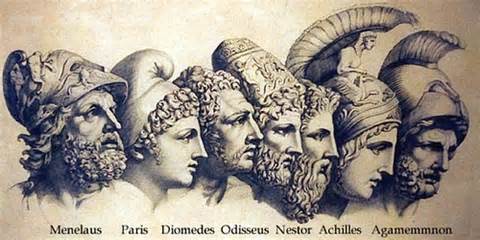
Turkey
Unrest 2013
|
|
|
|
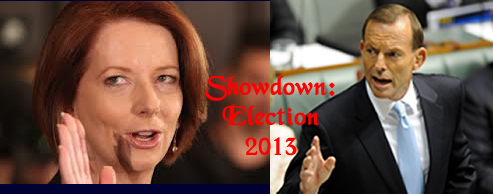
Election
2013
|
|
|
|
World
News 2013
|

|
|
|
Serialised
story of the greates ship of her time and
|

|
|
|
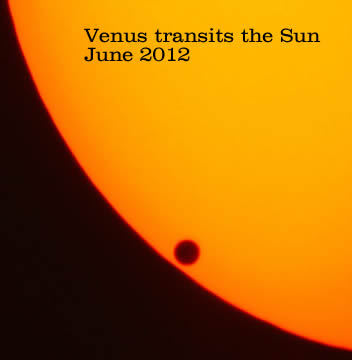
Venus
transits the Sun
|

|
For all your horoscopes, we recommend Ed Tamplin's excellent astrology site.

|
Astrology Oz is best viewed using firefox, screen resolution 1280x1024, macromedia flash enabled.
Firefox - the only browser that gives total control over web browsing, see what you want to see - download firefox

© AstrologyOz 2014
All articles and images on this site are subject to copyright and may not be copied, stored or modified in any way.
AstrologyOz - designed and maintained by Sherrynne Dalby