
Welcome to AstrologyOz
Apologies to all those who rely on this resource.. I have had major server issues which are now hopefully fully resolved.... after 4 months... I will be updating everything over the next week .... so thanks for your patience :)
|
|
|
World
News 2014
|

|
All your planetary data for 2014 is here now Planetary stations , Void of Course Moon , Moon phases and Planet Ingresses for 2014 plus Moon Planting Guide |

|
Jan - April 2014 Planting Guide
,
plus 2014 Moon phases,Planet Ingresses and retrogrades,
|
How to align your 2025 gardening schedule with the Moon in CancerAligning a 2025 gardening schedule with the Moon in Cancer means using lunar timing as a flexible layer of planning, not a substitute for sound gardening. Cancer is a fertile water sign ruled by the Moon and linked with roots, moisture and steady care. Start with what the soil and plants need, then use the lunation to choose when to sow, transplant, feed, water, harvest and tidy. Weather and plant health still decide whether a bed is ready. The new Moon in Cancer on 25 June is a symbolic starting point for organising beds and intentions. The full Moon falls in Cancer on 14 January in Australia (13 January UTC). Cancer Moons recur about every 27.3 days. Australian conditions require a southern-hemisphere lens: January is midsummer, while June to August is winter. This matters when imported advice says to sow in spring or protect roots from frost. Use the Moon sign for the kind of workUse the sign to decide a task’s character. A Cancer Moon supports nurturing work involving moisture-loving crops, transplanting, feeding, composting and close attention to conditions.
The phase narrows the choice. Waxing Moons favour sowing, germination and feeding; waning Moons favour harvesting, pruning and clearing spent crops. Neither factor overrides saturated soil or extreme heat. A waxing Cancer Moon is useful for establishing lettuce, rocket, brassicas, carrots and herbs that need reliable moisture. It is a poor reason to force a frost-sensitive crop into unsuitable ground. Set the 2025 Cancer Moon windowsA practical working calendar gives approximate windows of 12–14 January, 9–11 February, 7–10 March, 4–7 April, 1–4 May, 29–31 May, 25–27 June, 22–25 July, 19–22 August, 16–19 September, 14–17 October, 10–13 November and 7–10 December. Because Australia spans several time zones and daylight saving can move an ingress by a day, check AstrologyOz’s lunar event archives and convert each time to the local clock before fixing a task date. Cancer is ruled by the Moon and is normally excluded from void-of-course lists, yet the Moon can still change sign within a listed span. Read the lunation through Australian seasonsRead the lunar calendar alongside the southern-hemisphere seasonal cycle. A January Cancer Moon may arrive during summer heat, when direct sowing needs shade and extra irrigation. The June new Moon begins winter, making it better for protected beds and planting plans. Climate varies across Australia. Perth may have dry heat, Brisbane humid downpours, Melbourne a sudden cold change, and Hobart or alpine Tasmania frost. In a typical vegie patch, whether chooks scratch nearby or the crop heads for a family salad bowl, conditions decide what grows while the Moon window sequences the work. The market shapes the rhythm too. Gardeners buy seed at Bunnings or an independent nursery, swap surplus through local produce and community seed exchanges, and choose heat-tolerant varieties as nursery stock changes. Combine the sign with lunar phase and motionUse the phase as a second filter. A waxing Cancer Moon favours direct sowing, transplanting and feeding; a waning Cancer Moon is better for harvesting, pruning and dividing. Some 2025 Cancer passages are waxing while later ones are waning, so the same sign can support opposite jobs. The full Moon is a time to assess moisture, yields and what needs attention, while the new Moon suits setting intentions and opening new work. A full Moon does not make saturated soil suitable for planting, and a new Moon does not remove the need to harden seedlings before planting out. Plan around the live ephemeris if a Moon turns stationary or changes sign during a window. These changes matter more than a generic yearly list because the chosen task depends on the actual sign and phase at the planned time. Let weather and soil overrule the calendarTreat each Moon window as a cue rather than a command. Before sowing, check the soil with a finger, confirm the forecast and ask whether seedlings can cope with the next hot or cold spell. In a wet Brisbane week, prioritise drainage and disease control; in a hot Perth week, water early, mulch exposed soil and provide shade. Prioritise the bed that is ready. A well-prepared bed containing moisture-retentive compost is more responsive to lunar timing than a neglected one. Delay an activity when conditions are wrong, and keep the next suitable window available rather than trying to rescue a missed date. Keep records that reveal useful patternsKeep a simple notebook or spreadsheet with the Moon sign and phase, local date and time, crop, task, weather, soil moisture and outcome. This makes the plan evidence-based without turning every garden day into an astrology exercise. Record emotional responses as well, such as energy, patience and willingness to garden. The patterns discussed in emotional moon cycles can prompt useful reflection, while two seasons of local observations remain more reliable than a single favourable chart. Build a workable lunar gardening rhythmKeep the plan proportionate to your time, space and energy. Do not let an idealised chart turn every short window into another obligation, a boundary lesson echoed in this piece on shrinking for others.
Create a one-page calendar now, mark the next confirmed Cancer Moon, and assign one suitable task. Prepare the bed this week, check the local forecast, and enter the gardening block in your own diary so the timing becomes a practical habit rather than a passing plan. |
|
|
|
Benedict
XVI resigns 2013
|

|
|
|
Election
2013- take 2
|

|
|
|
Turkey
Unrest 2013
|
|
|
|
Election
2013
|

|
|
|
World
News 2013
|

|
|
|
Serialised
story of the greates ship of her time and
|

|
|
|
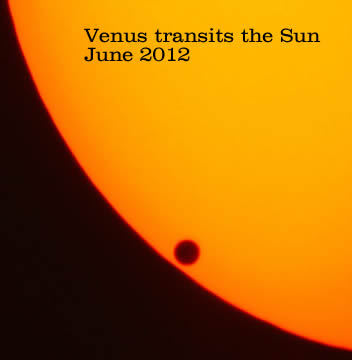
Venus
transits the Sun
|

|
For all your horoscopes, we recommend Ed Tamplin's excellent astrology site.

|
Astrology Oz is best viewed using firefox, screen resolution 1280x1024, macromedia flash enabled.
Firefox - the only browser that gives total control over web browsing, see what you want to see - download firefox

© AstrologyOz 2014
All articles and images on this site are subject to copyright and may not be copied, stored or modified in any way.
AstrologyOz - designed and maintained by Sherrynne Dalby