
Welcome to AstrologyOz
Apologies to all those who rely on this resource.. I have had major server issues which are now hopefully fully resolved.... after 4 months... I will be updating everything over the next week .... so thanks for your patience :)
|
|
|
World
News 2014
|

|
All your planetary data for 2014 is here now Planetary stations , Void of Course Moon , Moon phases and Planet Ingresses for 2014 plus Moon Planting Guide |

|
Jan - April 2014 Planting Guide
,
plus 2014 Moon phases,Planet Ingresses and retrogrades,
|
Planting by the Moon: A Practical Guide for Australian GardenersFor generations, gardeners across the world have looked to the night sky to guide their sowing, pruning and harvesting routines. In Australia, where the climate ranges from tropical to alpine and the seasons run counter to the Northern Hemisphere, working with lunar cycles can offer a practical rhythm to the year. The basic idea is simple: as the Moon moves through its phases, the pull of gravity and the amount of moonlight available change, and these shifts are said to influence moisture in the soil and sap flow in plants. Aligning your planting schedule with the Moon means paying attention to where the Moon is in its cycle, not just the calendar date. Australian gardeners can tap into local resources, such as the Void of Course Moon tables and planetary ingress data available on this site, to plan their weekends in the patch. Whether you are growing tomatoes on a Melbourne balcony or tending citrus in a Brisbane backyard, the Moon offers a steady guide that does not require any special equipment, just a bit of observation. The Lunar Cycle and How It Shapes GrowthThe Moon completes a full cycle roughly every 29.5 days, passing through eight distinct phases. During the waxing period, from new to full, moonlight increases and traditionally this is considered a time of expansion, when seeds germinate readily and leafy growth is vigorous. As the Moon wanes from full back to new, the light diminishes and the focus shifts downward, favouring root development, underground storage and the ripening of tubers and bulbs. Gravitational pull also plays a part, as the Moon's movement affects the moisture in the soil much like it affects the ocean tides. Many Australian gardeners report that seeds sown just after the new moon germinate more reliably than those sown during the dark moon. The key is consistency: keep a simple diary, note the phase and what you planted, and after a few seasons you will start to see patterns specific to your local soil and microclimate. Timing Your Garden with the Southern SkyBecause Australia sits in the Southern Hemisphere, the seasons are flipped compared to traditional European or American planting guides. Spring arrives in September, summer peaks in January, and the main growing window in temperate zones runs from roughly August through to March. This means a lunar planting calendar designed for the Northern Hemisphere will be out of sync by about six months. Gardeners need to adapt the principles to their local reality, not follow them by rote. The constellations the Moon passes through also carry significance in biodynamic gardening, with each zodiac sign linked to one of the four elements: earth, water, fire and air. Earth and water signs are generally considered fertile and good for sowing, while fire signs are often left for harvesting or resting the soil. Even the timing of Mercury retrograde can play a role in garden planning, particularly when ordering seeds or signing contracts for landscaping work, and those curious about the southern perspective can read Why Mercury Retrograde Feels Different in the Southern Hemisphere for a deeper look at how celestial events feel in this part of the world. Moon Phase Rules for Sowing, Pruning and HarvestingA straightforward approach is to divide the month into four quarters, each lasting about a week. The first quarter, from new moon to first quarter, is ideal for sowing leafy annuals such as lettuce, spinach and basil. The second quarter, leading up to the full moon, is the time to transplant seedlings and feed fruiting crops like tomatoes and capsicums. By the full moon, moisture in the soil is at its peak, making it a good moment to sow root vegetables such as carrots, beetroot and radish. As the Moon wanes, the third quarter is the time to prune, weed and tackle pest control, as the diminishing light is said to reduce sap flow and help cuttings heal. The fourth and final quarter, in the days before the new moon, is best for harvesting, cultivating and giving the soil a rest. For Australian conditions, this rhythm lines up well with the spring planting rush in October and the autumn clean-up in April, giving structure to what can otherwise feel like a chaotic flurry of activity in the veggie patch. Working with Australian Heat, Water and Bushfire SeasonsLunar timing cannot override the realities of a 40-degree day in Adelaide or a Melbourne summer under water restrictions, but it can help gardeners make the most of limited resources. Sowing during the waxing moon when the soil is naturally moister can give seedlings a stronger start, reducing the need for supplementary watering. Mulching after a new moon planting locks in the moisture and keeps roots cool through the hottest part of the year. In areas prone to bushfire, the full moon period in January and February often coincides with the most dangerous weather. It is wise to avoid heavy pruning or creating large piles of dry material during these phases, and instead focus on fire-retardant garden planning. For those juggling the veggie patch with a busy household, practical gardening advice can make the workload feel more manageable, especially when the heat is on and the days are long. Putting It All Together with a Moon Planting CalendarA good way to begin is to print a lunar calendar for the current year and mark the new and full moons. Australian gardeners should then cross-reference these dates with their local climate zone: cool temperate (such as Tasmania or the Victorian high country), warm temperate (Sydney, Perth, Adelaide), subtropical (Brisbane, the coast of NSW) or tropical (Darwin, Cairns). The combination of lunar phase and seasonal timing gives a much clearer planting plan than either system alone.
Many locals also consult the Void of Course Moon times published on this site to avoid making major decisions, such as transplanting or pruning, during those periods when the Moon is said to be void. Over time, you will build a rhythm that suits your patch, your climate and your lifestyle, making the garden a place of calm rather than constant urgency. Visit AstrologyOz for detailed monthly moon phase calendars, Void of Course tables and Southern Hemisphere planting guides, and start working with the sky rather than against it. The Moon is the same one your grandparents watched, and in a country as vast and varied as Australia, it remains the most reliable clock in the garden. |
|
|
|
Benedict
XVI resigns 2013
|

|
|
|
Election
2013- take 2
|

|
|
|
Turkey
Unrest 2013
|
|
|
|
Election
2013
|

|
|
|
World
News 2013
|

|
|
|
Serialised
story of the greates ship of her time and
|

|
|
|
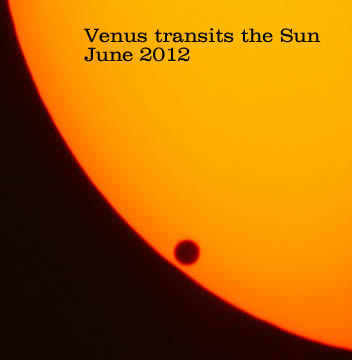
Venus
transits the Sun
|

|
For all your horoscopes, we recommend Ed Tamplin's excellent astrology site.

|
Astrology Oz is best viewed using firefox, screen resolution 1280x1024, macromedia flash enabled.
Firefox - the only browser that gives total control over web browsing, see what you want to see - download firefox

© AstrologyOz 2014
All articles and images on this site are subject to copyright and may not be copied, stored or modified in any way.
AstrologyOz - designed and maintained by Sherrynne Dalby