
Welcome to AstrologyOz
Apologies to all those who rely on this resource.. I have had major server issues which are now hopefully fully resolved.... after 4 months... I will be updating everything over the next week .... so thanks for your patience :)
|
|
|
World
News 2014
|

|
All your planetary data for 2014 is here now Planetary stations , Void of Course Moon , Moon phases and Planet Ingresses for 2014 plus Moon Planting Guide |

|
Jan - April 2014 Planting Guide
,
plus 2014 Moon phases,Planet Ingresses and retrogrades,
|
Planetary Hours for Daily Intention Setting in AustraliaPlanetary hours offer a simple way to give daily intentions a rhythm. Instead of treating every moment as energetically identical, this traditional timing system assigns each hour to one of the seven classical planets: Saturn, Jupiter, Mars, the Sun, Venus, Mercury and the Moon. For Australians, the method works best when it is calculated from local sunrise and sunset rather than copied from a generic international schedule. A planetary hour in Sydney, Perth or Hobart will not always begin at the same clock time, and daylight-saving changes can shift the practical timing of your ritual. What Planetary Hours RepresentPlanetary hours are not the same as sixty-minute clock hours. The period between sunrise and sunset is divided into twelve daytime portions, while the period between sunset and the following sunrise is divided into twelve night portions. In summer, daytime planetary hours are longer; in winter, they are shorter. The first planetary hour begins at sunrise and is ruled by the planet associated with that weekday. Sunday begins with the Sun, Monday with the Moon, Tuesday with Mars, Wednesday with Mercury, Thursday with Jupiter, Friday with Venus and Saturday with Saturn. The remaining hours follow the repeating Chaldean order: Saturn, Jupiter, Mars, Sun, Venus, Mercury and Moon. This framework can be used symbolically rather than predictively. A Venus hour may support an intention around kindness or creative pleasure, while a Saturn hour may suit discipline, boundaries or long-term planning. The timing gives your focus a clear theme without requiring every decision to be treated as fated. Calculate the Timing for Your LocationStart with the local sunrise and sunset for the date. Subtract sunrise from sunset and divide the result by twelve to find the length of each daytime planetary hour. Then divide the night interval—from sunset to the next sunrise—by twelve to calculate each night hour. Use the time zone that applies to your location, including Australian daylight-saving rules. Sydney, Melbourne, Canberra and Hobart generally move between AEST and AEDT, while Queensland, Western Australia and the Northern Territory do not observe daylight saving. A sunrise time copied from another state can place your intention-setting practice in the wrong planetary period. The first hour’s ruler is determined by the weekday, and each following hour continues through the planetary sequence. A calculator, ephemeris or reliable astrology calendar can reduce arithmetic errors. You can also compare the result with an astrocartography guide when exploring how location-based astrology fits into a broader personal practice.
Match Intentions to Planetary QualitiesThe Sun is useful for intentions involving confidence, leadership and being seen. The Moon can support rest, family care, emotional processing and attention to bodily rhythms. Mars is more direct and energetic, making it suitable for exercise, difficult conversations or beginning a task that has been delayed. Mercury corresponds with learning, correspondence, planning and short journeys. Jupiter is associated with generosity, teaching, faith and expansion, while Venus can frame intentions around friendship, beauty, money values and creative work. Saturn suits budgeting, study schedules, maintenance and commitments that will take time to mature. For example, an intention during a Mercury hour might be, “I will write a clear email and complete one important administrative task.” During a Venus hour, you might choose, “I will give focused attention to music, design or a valued relationship.” Specific wording is more useful than a broad statement such as “attract abundance.” Adapt the Practice to Australian Daily LifePlanetary hours do not need to dictate your whole schedule. A morning practice could take place after a school drop-off, before a commute on Sydney’s trains, or alongside the first coffee of the day in Brisbane. If sunrise occurs before your household is awake, note the ruling planet and set the intention at a practical time while keeping the symbolic association. The local market can provide a grounded way to work with planetary themes. Mercury may suit reviewing invoices or comparing mobile plans, Venus can guide choices about quality and enjoyment at a weekend farmers’ market, and Saturn can support checking rent, mortgage or grocery commitments. Jupiter might inspire learning about an investment, but it should not replace licensed financial advice or careful research. Keep legal and ethical boundaries in view. An intention-setting ritual should never encourage harassment, coercion or invasions of privacy, and marketing messages in Australia must comply with the Spam Act 2003. Astrology can help you choose a tone and timing for communication, but consent and clear practical information remain essential. Build a Repeatable Daily RitualA useful practice can be brief enough to survive changing shifts, school runs and weather. Record the date, location, sunrise, sunset, planetary hour and one sentence describing your intention. After several weeks, review which themes help you focus and which timings are difficult to maintain. You can use a paper diary, a spreadsheet or a digital calendar. If you enjoy comparing different approaches to timing and symbolism, a planetary timing reference can sit alongside your local calculations, provided you continue checking Australian sunrise and time-zone details.
Begin with tomorrow’s first planetary hour and write a practical intention that can be completed or meaningfully attempted that day. AstrologyOz’s planetary resources can help you place this small ritual alongside moon phases, stations and other timing information, turning planetary hours into a personal habit rather than a complicated extra schedule. |
|
|
|
Benedict
XVI resigns 2013
|

|
|
|
Election
2013- take 2
|

|
|
|
Turkey
Unrest 2013
|
|
|
|
Election
2013
|

|
|
|
World
News 2013
|

|
|
|
Serialised
story of the greates ship of her time and
|

|
|
|
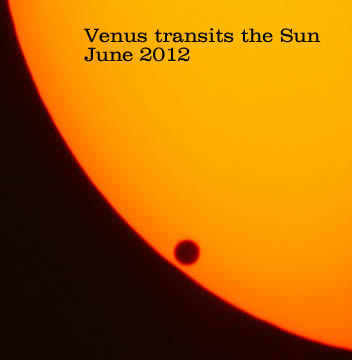
Venus
transits the Sun
|

|
For all your horoscopes, we recommend Ed Tamplin's excellent astrology site.

|
Astrology Oz is best viewed using firefox, screen resolution 1280x1024, macromedia flash enabled.
Firefox - the only browser that gives total control over web browsing, see what you want to see - download firefox

© AstrologyOz 2014
All articles and images on this site are subject to copyright and may not be copied, stored or modified in any way.
AstrologyOz - designed and maintained by Sherrynne Dalby