
Welcome to AstrologyOz
Apologies to all those who rely on this resource.. I have had major server issues which are now hopefully fully resolved.... after 4 months... I will be updating everything over the next week .... so thanks for your patience :)
|
|
|
World
News 2014
|

|
All your planetary data for 2014 is here now Planetary stations , Void of Course Moon , Moon phases and Planet Ingresses for 2014 plus Moon Planting Guide |

|
Jan - April 2014 Planting Guide
,
plus 2014 Moon phases,Planet Ingresses and retrogrades,
|
Track career goals with the 2025 moon calendarA 2025 Moon phase calendar turns goal tracking in your career into manageable checkpoints. Rather than waiting for one annual review, use each lunar cycle to choose a career goal, schedule supporting actions and compare the outcome with evidence. For Australian workers, make the tracker practical rather than celestial only. Convert phase times to your local zone, allow for daylight saving, and connect monthly intentions to real commitments such as a qualification deadline, interview date or professional-development block. The calendar works best as a reflective planning tool. New Moons can represent beginnings, Full Moons can prompt visibility and assessment, and quarter phases can mark adjustment. Treat these themes as prompts for action, not guarantees about promotions, interviews or income. Keep the system light enough to maintain after the initial excitement fades. One page, three priorities and a short monthly review often work better than elaborate colour-coding. Notice patterns in your motivation and workload while retaining control of the practical next step. Set up an Australian-friendly trackerBegin with an Australian-ready source. The Australian moon phase calendars can supply phase dates and timing references, but record the time zone beside every event. Sydney and Melbourne shift to AEDT, Brisbane remains on AEST, Perth uses AWST, and Adelaide uses ACST or ACDT, so a UTC date can fall on another Australian date. Create a goal tracker with columns for the phase date, goal, next action, deadline and result. A note field can record assumptions or context. If you use a Void-of-Course Moon table, treat it as a prompt to verify timing, not a rule that important work must be postponed. Set one professional direction for the year and one measurable behaviour each month. For example, the direction might be moving into project management, while the monthly measure could be completing a module, contacting a mentor and presenting one piece of work. Build a phase-linked career trackerAt the start of each lunar cycle, define the month’s focus:
At the Full Moon, conduct an evidence-based progress review:
This comparison keeps astrology symbolic and work practical. It reveals whether missed outcomes came from poor planning, competing obligations or a goal that no longer fits, so each cycle can become more realistic. Start goals at new moonsCommon UTC listings place the 2025 New Moons on 29 January, 28 February, 29 March, 27 April, 27 May, 25 June, 24 July, 23 August, 21 September, 21 October, 20 November and 20 December. Use them as launch points, with the waxing phase for building momentum. In Australian time zones, the April and July New Moons fall on 28 April and 25 July. At each launch, write a one-sentence intention and attach it to a deliverable, such as applying for a role, starting a certificate or publishing a portfolio piece. Australian astrology uses tropical and sidereal formats. The sidereal zodiac guide explains the difference, so choose one convention before assigning a phase to a career theme and use it consistently. Review results at full moonsFull Moons offer a natural review point, but use the date printed for Australian time zones. For example, the first Full Moon is listed on 12 February UTC but occurs on 13 February in AEDT. This prevents a review being logged against the wrong day. Review outputs rather than feelings alone. Compare applications, interviews, networking responses, study hours, completed assignments and portfolio pieces with the monthly target. Separate the result from the lesson, since a weak month can still reveal something useful about your method. Between checkpoints, let the quarter phases shape your method. Treat the first quarter as an obstacle check and the last quarter as an editing or delegation phase, while the waning Moon offers time to simplify commitments. These are reflective cues, not causal claims about workplace events. Fit the cycle to Australian work patternsFit reviews around a rhythm you already have, such as your first coffee, lunch break or Friday inbox clear-out. For additional perspectives on timing and intention, the wider resources at Shenvi can be read alongside your own calendar. Across Australia, career goals differ by market. Sydney and Melbourne offer roles in professional services and technology, while regional Queensland and Western Australia may centre on mining, agriculture, trades or tourism. Licences, shift availability and local recruitment cycles can matter as much as a lunar theme. If a goal affects shifts, leave, overtime or rosters, check the Fair Work Act 2009, National Employment Standards and the relevant modern award. A lunar deadline cannot replace notice periods, rest-break rules or an agreement with your employer. For income goals, align the tracker with Australia’s 1 July to 30 June financial year and note superannuation contributions alongside salary. An astrology-based review can organise attention, but it should not replace tax advice or a realistic budget. Keep momentum with monthly reviewsA compact review works best: read the month’s intention, inspect the evidence and select one next action before moving on. Repeating this sequence across the year’s lunar calendar creates a steady feedback loop without a complicated forecasting system. Keep dates, facts and interpretations in separate columns. Dates can be checked; interpretations can change as you learn. This prevents a hopeful reading of one phase from being mistaken for proof that a career decision is working. Choose one career goal today, enter it in your tracker, schedule its next New Moon action and set the Full Moon review reminder in your local Australian time zone. |
|
|
|
Benedict
XVI resigns 2013
|

|
|
|
Election
2013- take 2
|

|
|
|
Turkey
Unrest 2013
|
|
|
|
Election
2013
|

|
|
|
World
News 2013
|

|
|
|
Serialised
story of the greates ship of her time and
|

|
|
|
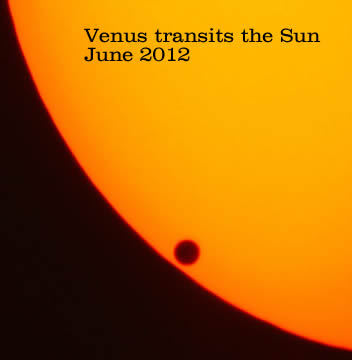
Venus
transits the Sun
|

|
For all your horoscopes, we recommend Ed Tamplin's excellent astrology site.

|
Astrology Oz is best viewed using firefox, screen resolution 1280x1024, macromedia flash enabled.
Firefox - the only browser that gives total control over web browsing, see what you want to see - download firefox

© AstrologyOz 2014
All articles and images on this site are subject to copyright and may not be copied, stored or modified in any way.
AstrologyOz - designed and maintained by Sherrynne Dalby