
Welcome to AstrologyOz
Apologies to all those who rely on this resource.. I have had major server issues which are now hopefully fully resolved.... after 4 months... I will be updating everything over the next week .... so thanks for your patience :)
|
|
|
World
News 2014
|

|
All your planetary data for 2014 is here now Planetary stations , Void of Course Moon , Moon phases and Planet Ingresses for 2014 plus Moon Planting Guide |

|
Jan - April 2014 Planting Guide
,
plus 2014 Moon phases,Planet Ingresses and retrogrades,
|
Using the 2025 Moon Phase Calendar for Medicinal Herbs in AustraliaThis guide explains how to use the 2025 Moon phase calendar for planting medicinal herbs in Australia without treating it as a substitute for sound gardening. Lunar timing can organise sowing, transplanting and harvesting, while temperature, rainfall, frost and soil moisture remain the decisive controls. Use it as an overlay on an ordinary Australian gardening calendar. Conditions in wet subtropical Bundaberg differ sharply from Perth’s dry climate and the frost pockets of the Blue Mountains; the lunar date can identify a window, but local conditions tell you whether to work the soil. Start with location and time zone, match the task to the plant, then check the weather. This sequence prevents a favourable date from overriding heat, heavy rain, waterlogged beds or a late frost. Start with the 2025 phase datesPrint or save a monthly view and mark the new moon, first quarter, full moon and last quarter. The Australian astrology resources add lunar sign and void-of-course Moon details. These markers create a working cycle; in systems that treat void-of-course periods as unsuitable for new starts, reserve them for planning. Choose candidate windows and write the forecast beside them. Check whether the source uses UTC, AEST/AEDT or ACST/ACDT, because a few hours can shift work into the next Australian gardening day. Distinguish sowing, transplanting, feeding, pruning and harvesting, since phase and sign may suit different jobs. The diary should record what happened, not merely what was planned, so next season begins with evidence. Read the light and choose suitable workA common traditional scheme treats the waxing Moon, from new moon to full moon, as favourable for leafy growth, cuttings and transplanting. New Moon is also used to prepare beds and sow roots or slow perennials. Full Moon is associated with flowering, fruiting and root harvests. The waning Moon is often assigned to pruning, dividing roots, composting, seed collection and tidy-up. These are conventions, not guarantees. A downpour may make an ideal root day too wet, while a heatwave can scorch new leaves. Match lunar windows to the herbThe Moon sign adds a traditional plant-group layer: water signs favour leaves, earth signs roots, air signs flowers, and fire signs fruit or seed. The correspondences help when choosing among nearby dates, especially for perennial medicinal plants.
Treat these groupings as a prompt to observe, not a biological law. Check the sign attached to each phase in the 2025 calendar and use the same system in every record. Species needs still lead: basil dislikes cold, mint spreads, and dandelions and comfrey need space and confident identification. Account for Australian weather and soilConditions can change faster than a monthly chart. Bundaberg humidity can bring storms and fungal pressure; around Perth, winter rain and dry summers shape workable beds; Blue Mountains growers must allow for frost after a clear night. Local records beat a generic seasonal label. Check tomorrow’s arvo forecast, overnight lows and soil moisture before sowing. Waterlogged clay needs a pause, sandy soil may need less recovery time after rain, and seedlings should be hardened off. Lunar timing does not shift the seasons, so a nominal spring window still needs warm soil and falling frost risk. Local nurseries and garden centres can match young plants to your district and identify hardy cultivars. Avoid digging unknown plants from bushland; use reputable seed suppliers where identity matters. Regional labels and quarantine rules deserve attention alongside the Moon. A practical planting checklistTurn each chosen window into a short work order. The calendar establishes timing; these checks establish readiness. Calendar checks
Ground checks
Run through the checklist when planning the morning’s jobs, when today’s heat and any storm warning are known. If faith is part of your gardening rhythm, the spiritual reflection resources can complement the calendar without replacing practical checks. The aim is a repeatable routine suited to local habits and plant needs. Extend timing through harvesting and maintenanceIf you follow broader planetary cycles, the guide to tracking planetary retrogrades explains the traditional framework. Treat it as another journal note: many gardeners use stationary or retro periods for review and maintenance rather than a major new planting. Many traditions favour waxing light for gathering leaves and flowers for drying, and waning periods for pruning and clearing. Test the pattern because weather and species alter results. Harvest only correctly identified, healthy material, dry it promptly in a shaded, airy space, and follow proven preparation and storage guidance. Record the date, Moon sign, rainfall, task and outcome. A season of notes reveals whether timing changed results in your soil and microclimate, helping you refine the next year’s plan without relying on memory. Turn the calendar into a garden recordA useful 2025 moon phase calendar should become both a schedule and a garden journal. Combine lunar markers with your town’s weather history, planting dates, photographs and harvest notes, so each recommendation reflects what grew in your patch. Choose one medicinal herb and one existing planting window today. Print the phase view, check the local forecast, prepare the bed, sow or transplant, and record the result. Repeat with a second crop in the next suitable period, keeping each trial small enough to observe clearly. |
|
|
|
Benedict
XVI resigns 2013
|

|
|
|
Election
2013- take 2
|

|
|
|
Turkey
Unrest 2013
|
|
|
|
Election
2013
|

|
|
|
World
News 2013
|

|
|
|
Serialised
story of the greates ship of her time and
|

|
|
|
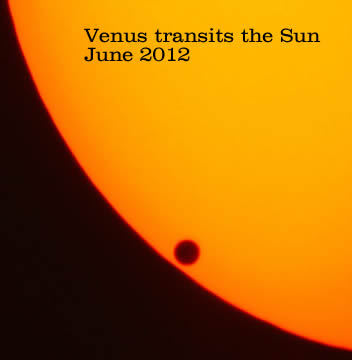
Venus
transits the Sun
|

|
For all your horoscopes, we recommend Ed Tamplin's excellent astrology site.

|
Astrology Oz is best viewed using firefox, screen resolution 1280x1024, macromedia flash enabled.
Firefox - the only browser that gives total control over web browsing, see what you want to see - download firefox

© AstrologyOz 2014
All articles and images on this site are subject to copyright and may not be copied, stored or modified in any way.
AstrologyOz - designed and maintained by Sherrynne Dalby