
Welcome to AstrologyOz
Apologies to all those who rely on this resource.. I have had major server issues which are now hopefully fully resolved.... after 4 months... I will be updating everything over the next week .... so thanks for your patience :)
|
|
|
World
News 2014
|

|
All your planetary data for 2014 is here now Planetary stations , Void of Course Moon , Moon phases and Planet Ingresses for 2014 plus Moon Planting Guide |

|
Jan - April 2014 Planting Guide
,
plus 2014 Moon phases,Planet Ingresses and retrogrades,
|
Using the Moon sign to grow a stronger Australian gardenFor generations of growers across Australia, the night sky has offered more than a pretty view. Tides rise and fall by the Moon, and many backyard gardeners swear the same pull reaches into the vegie patch. Working with the Moon's sign and phase is an old practice that suits the southern hemisphere just as well as the northern one, though the calendar flips. In a country where water is precious and the sun is fierce, timing plantings to lunar rhythms can stretch a season, reduce losses, and give seedlings a head start. Learn more about Moon Planting Calendar For The Australian Spring Season. Moon sign gardening is essentially a way of scheduling sowing, pruning, and harvesting by the zodiac sign the luminary moves through each day, alongside whether it is waxing or waning. The system treats the twelve signs as carriers of elemental energy: water, earth, fire, and air. Each sign lends its character to the part of the plant that grows above or below the soil. Combined with the lunar phase, the result is a daily recipe for what belongs in the ground. Below is how the pieces fit, then how to put them to use in a typical Aussie backyard from Hobart to Cairns. The lunar phase and the garden's rhythmThe Moon's monthly journey splits into two halves. From new to full it waxes, and light grows. This is the time most old gardening almanacs point to for sowing, transplanting, and encouraging leafy growth above the soil. Once full passes and the Moon wanes toward new, energy is said to move downward. That makes the waning fortnight the window for root crops, pruning, weeding, and harvesting anything you want to keep rather than regrow. The quarters sharpen the picture. The first quarter is for leafy annuals and anything you want to swell quickly. The full Moon marks the peak of sap flow and is often favoured for picking produce at its juiciest. The third quarter is the classic root zone, while the dark days near the new Moon are when many gardeners rest the patch, sort seeds, and feed compost. The twelve signs and their elemental giftEach zodiac sign carries one of the four elements, and the element points toward a plant part. Water signs - Cancer, Scorpio, Pisces - are the most fertile, excellent for leafy crops and anything that loves moisture. Earth signs - Taurus, Virgo, Capricorn - favour roots, tubers, and sturdy growth. Fire signs - Aries, Leo, Sagittarius - are drier and hotter, often used for fruiting and seeding where you want a quick burst. Air signs - Gemini, Libra, Aquarius - are the lean days, best for weeding, mulching, and dealing with anything you would rather not thrive. Two extra points matter. The Moon's nodes and most eclipses are treated as skip days, when the lunar path crosses the ecliptic and energy is considered unstable. Apogee and perigee - the Moon's farthest and closest points - add extra pull that some growers note on the calendar, with perigee days often linked to faster germination. Flipping the seasons for the southern skyAustralian spring runs from September to November, autumn from March to May, and the busy summer planting window differs from anything in the northern hemisphere. A moon planting calendar built for the northern spring will be six months out for Sydney sowers. That is why resources built specifically for Australian conditions matter - they line the lunar days with local frost dates, with local day-length, and with the tomatoes and basil that thrive in southern Queensland but struggle in Hobart. The moon-planting-calendar-for-the-australian-spring-season gives an Australian-tuned monthly view that pairs these categories with local dates. Locally, growers in Melbourne often wait until after the last cold snap in October before trusting the warmth, while those in Perth can push earlier. In Brisbane the winter is mild enough that some crops never really stop, and moon sign timing simply nudges quality. Across the Tasmanian hills, lunar timing helps stretch a short season by squeezing the most out of every planting window. Matching common crops to lunar windowsLeafy greens - lettuce, rocket, silverbeet - love the water signs during the waxing Moon. Fruiting crops like tomatoes, capsicum, and zucchinis go in under a waxing fire sign, where energy is meant to push upward into flowers and fruit. Root vegetables - potatoes, carrots, beetroot, and onions - prefer the waning phase under an earth sign. Flowers and herbs respond to the air signs in waxing mode, particularly when you want blooms for cutting or strong scent in the kitchen. For gardeners in regions with water restrictions, lunar timing pairs well with careful mulching and greywater use. Sowing under a fertile water sign during waxing is when moisture use is most efficient, as seedlings seem to establish faster and need less supplementary soaking. Native edibles and lunar patienceAustralian native food plants follow the same elemental rules, but with extra patience. Warrigal greens, finger limes, lemon myrtle, and native mint all establish slowly, and lunar timing helps reduce transplant shock. A waning earth sign day, especially in Taurus or Capricorn, is widely chosen for putting natives into the ground, as the downward energy is said to settle roots before the heat arrives. Because many natives cope with dry summers once established, the lunar calendar helps the gardener avoid pushing new plants during a hot fire sign window, which can stress young roots. The same lunar awareness that shapes a harvest can carry into other timing-based decisions too, from scheduling holidays to weighing options at the pai gow poker crypto casino. Tracking what actually happens in your patchThe best test of any gardening method is the harvest. Keep a simple diary: date sown, Moon sign and phase at sowing, what was planted, and how it grew. After two or three lunar cycles patterns will appear. Some gardeners keep paper diaries beside the shed; others use spreadsheets or dedicated apps. For those who appreciate clear feedback, the precision shown in a front panel LED project mirrors the care a gardener takes when noting which sign coincided with the strongest seedlings. Over a year the diary tells you which signs delivered the strongest results in your soil. Some growers in the Adelaide Hills find Taurus days outperform Capricorn for their root crops, while a Darwin gardener might see Pisces days as the standout. Local conditions shift the result, which is why a one-size-fits-all chart never tells the whole story.
Once you have a few seasons of notes, the rhythm becomes second nature. Reading the Moon sign takes a minute a day, and the rewards stack across a year. Sowing under the right sign and phase does not replace good soil, steady water, and sensible sun protection, but it adds a layer of timing that many Australian gardeners have used for decades. Start with one crop, keep the records, and let the sky help shape the harvest. |
|
|
|
Benedict
XVI resigns 2013
|

|
|
|
Election
2013- take 2
|

|
|
|
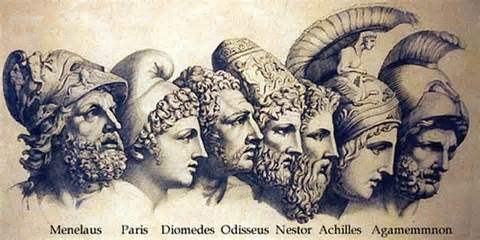
Turkey
Unrest 2013
|
|
|
|
Election
2013
|

|
|
|
World
News 2013
|

|
|
|
Serialised
story of the greates ship of her time and
|

|
|
|
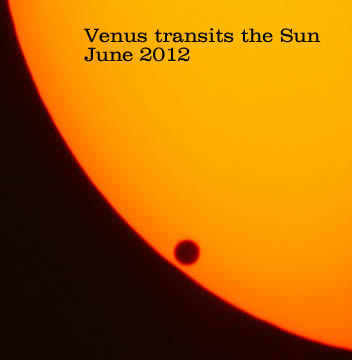
Venus
transits the Sun
|

|
For all your horoscopes, we recommend Ed Tamplin's excellent astrology site.

|
Astrology Oz is best viewed using firefox, screen resolution 1280x1024, macromedia flash enabled.
Firefox - the only browser that gives total control over web browsing, see what you want to see - download firefox

© AstrologyOz 2014
All articles and images on this site are subject to copyright and may not be copied, stored or modified in any way.
AstrologyOz - designed and maintained by Sherrynne Dalby