
Welcome to AstrologyOz
Apologies to all those who rely on this resource.. I have had major server issues which are now hopefully fully resolved.... after 4 months... I will be updating everything over the next week .... so thanks for your patience :)
|
|
|
World
News 2014
|

|
All your planetary data for 2014 is here now Planetary stations , Void of Course Moon , Moon phases and Planet Ingresses for 2014 plus Moon Planting Guide |

|
Jan - April 2014 Planting Guide
,
plus 2014 Moon phases,Planet Ingresses and retrogrades,
|
The 2025 winter solstice and Australian farmersThe 2025 winter solstice arrives on 21 June at 2:42 a.m. UTC: 12:42 p.m. AEST in Sydney, Melbourne and Brisbane, 12:12 p.m. ACST in Adelaide and 10:42 a.m. AWST in Perth. In Australia’s southern hemisphere, this is the longest night and winter’s hinge. Tropical astrology places the Sun at 0° Cancer, while sidereal reckoning places it in Capricorn, offering complementary themes of careful land care and disciplined planning. Astrology is a reflective lens, not a replacement for agronomy, soil tests or Bureau of Meteorology warnings. Read with the lunar cycle and local conditions, the solstice can prompt a review of irrigation, frost protection, livestock needs, crop work and market orders. Its value is a timely checkpoint, not a promise of a perfect planting day or bumper harvest. Southern winter changes the seasonal storySolstice descriptions often import northern-hemisphere summer customs such as open-air feasting. Australian farms experience the opposite: colder mornings, slower growth, greater shelter needs and the final stage of autumn sowing of canola and cereals. Winter is not over, but the direction of change matters.
After 21 June, daylight lengthens gradually. Sydney and Melbourne gain only a few minutes at first, while Tasmania and alpine districts can still receive snow. Soil warms more slowly than the calendar. The practical reading is cumulative: protect weak assets, improve conditions rather than forcing growth, and judge fieldwork by moisture and temperature as well as the chart. Two zodiacs, two forms of preparationCancer is a cardinal water sign associated with nurture, food, shelter and the emotional life of a household or community, which fits a farm’s dependence on living systems. Mars and Jupiter are also in Cancer in the tropical chart around the solstice, strengthening attention to animals, water, yields and productive ground. This is not a licence to expand blindly; it favours timely feeding, irrigation and protection. The sidereal Capricorn view stresses boundaries, endurance and responsibility for next season. Saturn, Capricorn’s traditional ruler, gives the image its demanding edge: repair troughs, check contracts and reduce debt, without treating it as a forecast of hardship. Readers seeking a wider symbolic vocabulary can consult planetary symbolism, then test each idea against local forecasts and farm records. The waning Moon favours finishing workThe Moon is waning gibbous at the solstice, near the end of June’s full-moon cycle. Traditional planting lore associates this phase with gathering, maintenance and consolidating earlier growth. Suitable Australian winter actions include lifting storage roots, pruning where climate and species allow, tending established beds and improving soil structure without forcing tender growth in cold conditions. Lunar timing is one factor, never a command. The site’s Moon gardening guidance explains how seasonal cues alter advice prepared for an Australian summer; winter reverses many priorities. Frost, rainfall and crop stage still lead, while the Moon can provide a memorable sequence for maintenance and fieldwork. Regional realities shape the symbolismA national prescription would fail Australian conditions. In the Riverina and western New South Wales, lambing coincides with demand for steady nutrition and careful pasture management. Wimmera winter cereals rely on stored soil moisture, while dairy districts near Shepparton and Tasmania need dependable feed and water. Inland frost can arrive when the coast is mild. Farms around Sydney may face wet soil and drainage pressure; Melbourne’s hinterland can sit under sharp frost; Adelaide and inland Western Australia often have dry cold and limited rain. Hobart and alpine properties can work around snow, frozen ground and delayed access. These realities matter more than a generic horoscope when setting a schedule. Water is the common thread. A solstice review should compare autumn rainfall with irrigation allocations, inspect pumps and troughs, and map frost-prone hollows. A symbolic new season has little value if it encourages planting without checking soil temperature, runoff or a cold forecast. Use market timing as a mirror, not forecastMidwinter markets reveal decisions made earlier. Lamb and beef supply can tighten around lambing and slower pasture growth, while brassicas, leeks and root vegetables depend on reliable schedules. Buyers at Melbourne’s Queen Victoria Market, Adelaide Central Market and Sydney growers’ markets need dependable quantities, so orders near the solstice can influence cash flow for weeks. Astrology cannot set a wool price or predict supermarket demand. It can prompt a review of contracts, storage and the balance between early and delayed selling. The Capricorn theme in the sidereal reading favours protecting working capital: avoid relying on one buyer, preserve feed reserves and price the cost of delay. This uses the season without claiming to forecast the market. A solstice farm checklistA useful ritual is to compare sky and ground on 21 June, then turn the comparison into dated actions. Keep the checklist short and verifiable. Start with field and livestock actions:
Then check commercial and record details:
The lists are prompts, not prescriptions. A Hunter Valley grower and a Victorian Wimmera grower should complete them differently. Their value comes from recording assumptions at a stable marker, then comparing later decisions with weather, yields and prices. Turn the solstice into a working ritualKeeping the solstice visible need not involve ceremony. A look at sunrise, the Moon and a forecast can open a farm meeting; a notebook entry can pair the chart with irrigation readings, stock counts and orders. A repeatably kept record shows whether choices made at winter’s midpoint supported growth, animal health and cash flow. For readers following these cycles alongside Australian conditions, the AstrologyOz welcome page starts a tour of the site’s wider resources. Mark 21 June 2025 in the farm calendar, gather the crew’s local observations, and assign one protective action and one commercial review to finish before the next new moon. |
|
|
|
Benedict
XVI resigns 2013
|

|
|
|
Election
2013- take 2
|

|
|
|
Turkey
Unrest 2013
|
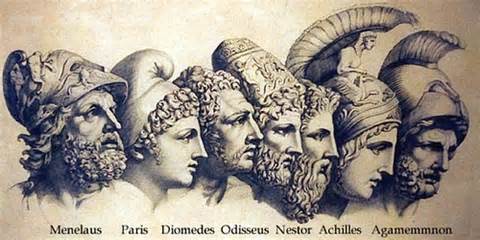
|
|
|
Election
2013
|

|
|
|
World
News 2013
|

|
|
|
Serialised
story of the greates ship of her time and
|

|
|
|
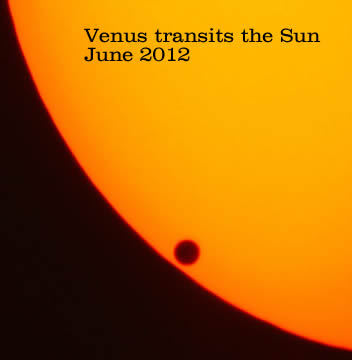
Venus
transits the Sun
|

|
For all your horoscopes, we recommend Ed Tamplin's excellent astrology site.

|
Astrology Oz is best viewed using firefox, screen resolution 1280x1024, macromedia flash enabled.
Firefox - the only browser that gives total control over web browsing, see what you want to see - download firefox

© AstrologyOz 2014
All articles and images on this site are subject to copyright and may not be copied, stored or modified in any way.
AstrologyOz - designed and maintained by Sherrynne Dalby