
Welcome to AstrologyOz
Apologies to all those who rely on this resource.. I have had major server issues which are now hopefully fully resolved.... after 4 months... I will be updating everything over the next week .... so thanks for your patience :)
|
|
|
World
News 2014
|

|
All your planetary data for 2014 is here now Planetary stations , Void of Course Moon , Moon phases and Planet Ingresses for 2014 plus Moon Planting Guide |

|
Jan - April 2014 Planting Guide
,
plus 2014 Moon phases,Planet Ingresses and retrogrades,
|
Moon gardening through the Australian summerUsing the Moon for gardening in the Australian summer means combining traditional lunar timing with ordinary horticultural care. The southern-hemisphere summer runs from December to February, when long daylight, heat and changing rainfall influence the garden as much as any zodiac pattern. Treat moon planting as a planning layer rather than a replacement for soil temperature, water and plant health. Broad phase windows are more dependable than hour-by-hour instructions, and each schedule should be adjusted for the local forecast.
Start with the local summerAustralian summer conditions vary sharply across the country. Brisbane often has humid, stormy weather; Sydney combines coastal humidity with sudden downpours; Melbourne can swing between warm winds and cool southerly changes; Adelaide commonly faces hot, dry soil and high evaporation. These differences matter more to germination than a universal date. At garden centres and the seasonal garden sections of Bunnings, Coles and Woolworths, Australian gardeners commonly buy tomato, capsicum, bean, herb and lettuce seedlings. Check regional timing, open-pollinated or grafted options, and watering needs before choosing plants for a balcony, backyard bed or community plot. Follow the Moon’s changing phasesThe easiest traditional system divides the month by phase. A waxing Moon is generally favoured for leafy crops, flowers and fruit, while a waning Moon is associated with roots, pruning and harvesting. The New Moon and Full Moon often become important bookends for starting and finishing major work. Moon signs add a second layer. Water signs such as Cancer, Scorpio and Pisces are linked with moisture and roots; earth signs favour soil work and establishment; fire signs suit vigorous growth; air signs cover vines, flowers and mixed plantings. These are symbolic groupings, not guarantees of yield. The Moon moves into a new sign roughly every two or three days, so use sign changes to organise a week rather than demand minute-perfect timing. For background on the symbolic side of lunar cycles, readers can consult the lunar cycle perspective alongside a practical gardening calendar. Match Moon signs to garden tasksTranslate the symbolism into a crop-led plan. Tomatoes, capsicums, beans and cucumbers are treated as above-ground crops; lettuce, rocket and herbs respond quickly to favourable sowing periods. Radish, beetroot and carrot need attention to soil moisture, while strawberries, roses and ornamental flowers occupy mixed categories. For a simple sequence, use this sowing checklist:
After planting, use this upkeep checklist:
Work with heat, storms and holiday timingSummer gardening in Australia often means balancing rapid growth against heat stress. Shade cloth can protect lettuce and seedlings in Brisbane and Sydney, while Melbourne’s variable days may suit succession sowing. A simple crop calendar is more useful when it allows several small sowings rather than one risky batch. Watering is the daily priority. Apply mulch to retain moisture, but keep it clear of stems; use drip irrigation where summer evaporation is high. Early morning watering gives roots time to absorb moisture and reduces the wet foliage that can encourage disease after humid storms. Christmas and New Year change the rhythm of many Australian gardens, with families travelling, garden centres reducing holiday hours and planting tending to pause. Buy seed or seedlings before the break, label them clearly, and arrange a watering plan for pots and young plants that will remain unattended. Keep special lunar patterns in proportionEclipses and other dramatic lunar events are often given extra weight in astrological gardening. For a local example, the Sydney eclipse guide reviews the 2025 lunar eclipses visible from Sydney and the circumstances surrounding them. If such a period coincides with a planned sowing, moving the job is sensible only when ordinary gardening conditions support the change. Traditional moon planting guides disagree about exact windows, and none can replace weather awareness, soil checks or observation. Treat void-of-course periods as a prompt to organise rather than begin, avoid scheduling major jobs around uncertain times, and let plant condition decide when a task actually needs doing. Create a repeatable garden routineStart with one crop and one bed. Note the current Moon phase and sign, the local rainfall, and each planting, feeding, pruning or harvest date. A weekly review can then show whether the lunar timing matched the plant’s actual progress rather than merely matching the calendar. Keep the record simple: date, crop, Moon phase and sign, weather, and result. Mark unexpected frost, heat, pests or water stress as well, since these factors can explain a weak outcome and prevent an inaccurate conclusion about the Moon. Choose one garden bed today, record the current lunar phase and the nearest new or full Moon, then schedule the next sowing, feed and harvest in your Australian gardening calendar. |
|
|
|
Benedict
XVI resigns 2013
|

|
|
|
Election
2013- take 2
|

|
|
|
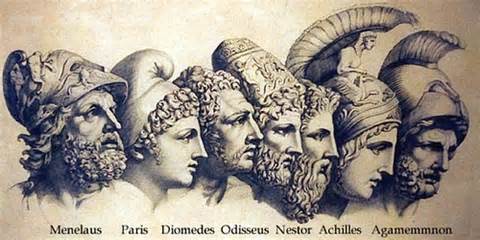
Turkey
Unrest 2013
|
|
|
|
Election
2013
|

|
|
|
World
News 2013
|

|
|
|
Serialised
story of the greates ship of her time and
|

|
|
|
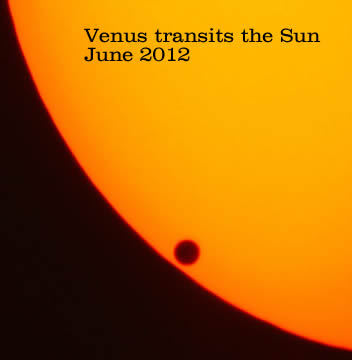
Venus
transits the Sun
|

|
For all your horoscopes, we recommend Ed Tamplin's excellent astrology site.

|
Astrology Oz is best viewed using firefox, screen resolution 1280x1024, macromedia flash enabled.
Firefox - the only browser that gives total control over web browsing, see what you want to see - download firefox

© AstrologyOz 2014
All articles and images on this site are subject to copyright and may not be copied, stored or modified in any way.
AstrologyOz - designed and maintained by Sherrynne Dalby