
Welcome to AstrologyOz
Apologies to all those who rely on this resource.. I have had major server issues which are now hopefully fully resolved.... after 4 months... I will be updating everything over the next week .... so thanks for your patience :)
|
|
|
World
News 2014
|

|
All your planetary data for 2014 is here now Planetary stations , Void of Course Moon , Moon phases and Planet Ingresses for 2014 plus Moon Planting Guide |

|
Jan - April 2014 Planting Guide
,
plus 2014 Moon phases,Planet Ingresses and retrogrades,
|
Choosing Better Moments To Sign Contracts With Moon AspectsAstrology can offer a symbolic timing method for contracts, agreements and important commitments. In lunar astrology, the Moon describes the emotional climate surrounding a decision, while its aspects to other planets can suggest whether negotiations feel cooperative, pressured, unclear or ready to move forward. For Australians, signing may happen after work in Sydney, during a busy Melbourne lunch break, or between property inspections in Brisbane or Perth. The practical circumstances matter as much as the horoscope. A favourable Moon cannot replace careful reading, professional advice or compliance with Australian law. The most useful approach is to combine lunar conditions with ordinary preparation. Check the contract, confirm the authority of every signatory, review dates and cooling-off provisions, then use the Moon’s position as an additional timing layer. The AstrologyOz resources provide a helpful setting for exploring planetary stations, ingresses, retrogrades and Void of Course Moon periods. Birth location and time zone also affect chart work. A Moon aspect calculated for London may occur at a very different local hour in Australia, particularly when comparing eastern states with Western Australia. Accurate local conversion is essential, and this guide to Australian time zones can support more precise chart interpretation. Why The Moon Matters For AgreementsThe Moon moves quickly, changing signs approximately every two and a half days. This makes it useful for selecting a practical window within a broader period chosen through slower planetary cycles. Its sign can describe the atmosphere: Taurus may favour stability and tangible value, Libra negotiation and balance, while Capricorn can support formal responsibilities and long-term structures. Aspects show how the Moon connects with other planets. A trine or sextile may correspond with smoother communication and cooperation, whereas a square or opposition can bring resistance, emotional pressure or competing expectations. These meanings are symbolic rather than guaranteed predictions, so they work best as prompts for due diligence. Supportive Lunar Patterns For SigningA Moon applying to a harmonious aspect with Venus can be attractive for agreements involving money, design, hospitality, relationships or mutually pleasing terms. A positive connection with Jupiter may support growth, confidence and broad-minded negotiation, though it can also encourage overestimating benefits. Saturn aspects can be useful when the contract requires discipline, accountability and clear boundaries. The Moon in fixed signs—Taurus, Leo, Scorpio or Aquarius—may suit commitments that need persistence. Cardinal signs can help initiate a deal, while mutable signs may be better for revisions, flexible arrangements or exploratory discussions. The best choice depends on the agreement itself rather than a single universally lucky Moon sign. Cautionary Conditions And Local TimingA Void of Course Moon is traditionally considered less reliable for beginning matters expected to develop in a predictable way. Signatures made during this period may lead to altered terms, delays or an outcome that does not match the original intention. It is not an automatic prohibition, especially when a deadline is imposed, but it is a reason to check every detail twice. Mercury retrograde is another familiar consideration for paperwork, transport, technology and communication. If signing cannot be postponed, allow extra time for corrections and retain copies of all correspondence. Australian property transactions may involve state-based conveyancing rules, cooling-off periods and trust-account procedures, so astrology should never override guidance from a solicitor or licensed conveyancer.
Applying The Method In AustraliaStart by identifying the exact local signing time. A contract signed in Adelaide is not timed identically to one signed in Darwin or Hobart, and daylight-saving differences can affect calculations between states. When several parties are involved, record the place where the final authorised signature is made, while also noting when the agreement becomes legally binding. Everyday scheduling can shape the usable window. A Melbourne meeting late on a Friday may occur when participants are distracted, while a Brisbane business owner may prefer an early appointment before customer traffic begins. For remote signatures, distinguish between the time an electronic document is sent, signed and accepted, since these may be separate events. Use a natal chart or electional chart as a supporting reference rather than a substitute for independent advice. Readers interested in the spiritual side of symbolic timing may also appreciate reflective astrology material, provided that personal belief is kept separate from legal or financial decision-making. A Practical Signing RoutineA simple routine makes lunar timing more useful and less superstitious. First, establish the legal deadline and the people authorised to sign. Next, check the Moon’s sign, applying aspects, stationing planets and Void of Course status for the relevant Australian location. Finally, select the calmest available period that still allows proper review. Keep a written record of the chart time and the contract version. If the Moon is under tension, use that period for questions, negotiation or amendments rather than rushing to execute the document. The following habits can make the process clearer:
The most constructive lunar window is one that supports both clarity and consent. A harmonious aspect may help people approach each other openly, but sound terms still require evidence, realistic expectations and a shared understanding of responsibilities. Use Moon phases, lunar aspects and planetary timing as a thoughtful planning aid for your next agreement. Review the practical facts first, select a calm local signing window where possible, and keep the final decision grounded in qualified Australian professional advice. |
|
|
|
Benedict
XVI resigns 2013
|

|
|
|
Election
2013- take 2
|

|
|
|
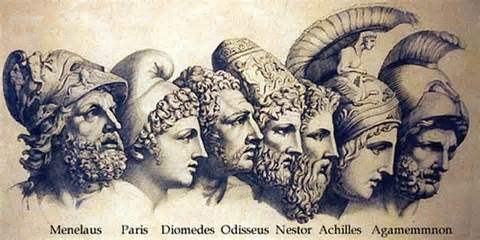
Turkey
Unrest 2013
|
|
|
|
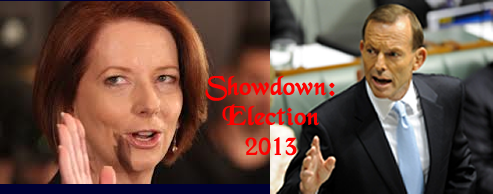
Election
2013
|
|
|
|
World
News 2013
|

|
|
|
Serialised
story of the greates ship of her time and
|

|
|
|
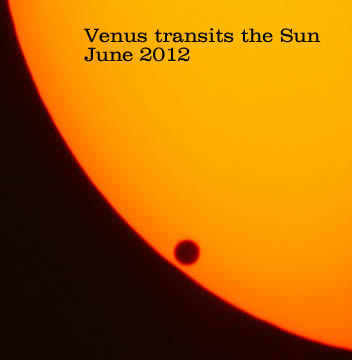
Venus
transits the Sun
|

|
For all your horoscopes, we recommend Ed Tamplin's excellent astrology site.

|
Astrology Oz is best viewed using firefox, screen resolution 1280x1024, macromedia flash enabled.
Firefox - the only browser that gives total control over web browsing, see what you want to see - download firefox

© AstrologyOz 2014
All articles and images on this site are subject to copyright and may not be copied, stored or modified in any way.
AstrologyOz - designed and maintained by Sherrynne Dalby