
Welcome to AstrologyOz
Apologies to all those who rely on this resource.. I have had major server issues which are now hopefully fully resolved.... after 4 months... I will be updating everything over the next week .... so thanks for your patience :)
|
|
|
World
News 2014
|

|
All your planetary data for 2014 is here now Planetary stations , Void of Course Moon , Moon phases and Planet Ingresses for 2014 plus Moon Planting Guide |

|
Jan - April 2014 Planting Guide
,
plus 2014 Moon phases,Planet Ingresses and retrogrades,
|
Heliocentric and geocentric astrology: understanding the two systemsTwo astrologers sitting at a corner table in a Melbourne café might gaze at the same night sky and walk away with charts that say different things about a client's life. That split often traces back to a single choice: whether they calculated from a heliocentric or a geocentric perspective. For anyone in Australia trying to make sense of horoscopes, moon planting guides, or electional work, knowing which frame is in play makes the whole picture clearer. Learn more about Ritofrances.net. Most Australians have grown up steeped in geocentric astrology without necessarily knowing the term. Newspaper columns, popular apps, and the lunar planting notes found on long-running local resources such as the moon planting chart all use the Earth as the fixed centre of the cosmic wheel. Heliocentric astrology flips that picture, placing the Sun at the centre and treating the Earth as one of several planets tracing their paths through the zodiac. The distinction is more than a technical footnote. It changes which planets are considered retrograde, whether the lunar nodes and Void of Course Moon periods even exist, and how you time important events. Anyone exploring electional astrology will bump into this question, and a practical starting point is the electional astrology guide, which walks through how chart selection depends on the chosen frame. For readers from Hobart to Cairns, this article unpacks the core differences between the two systems, traces where they diverge historically, and offers a few pointers on which approach tends to suit which kind of question. The basic premise behind each systemGeocentric astrology treats the Earth as the still centre of the universe, with the Sun, Moon, and planets revolving around us. This is the view we actually experience from the ground. When you watch the Sun move through Aries, Taurus, and the rest of the zodiac over a year, that is geocentric motion. Heliocentric astrology does the opposite. It puts the Sun at the centre and shows the Earth orbiting alongside the other planets, much like the diagrams in a school science textbook. Because geocentric astrology matches lived observation, it tends to feel intuitive. Heliocentric charts, by contrast, can look strange. Earth is plotted as a planet, the Moon largely drops out of the picture, and the familiar zodiac wheel suddenly has different occupants. For Australian astrologers trained in the traditional school, the geocentric chart is usually the starting point, and the heliocentric chart is a secondary lens. A short history of the two viewsGeocentric astrology is the older tradition, stretching back through Ptolemy, Babylonian star-gazers, and the court astrologers of Europe. It dominated Western astrology for nearly two thousand years, which is why so much of the classical symbolism still in use, from the lunar nodes to the Part of Fortune, was designed with an Earth-centred model in mind. Heliocentric astrology only became possible after the Copernican revolution in the sixteenth century, and it was not widely explored as an astrological tool until the twentieth century. Astrologers such as Charles Carter and, later, a number of European researchers began experimenting with Sun-centred charts as a way to access a more collective or soul-oriented layer of meaning. The approach has its enthusiasts today, though it remains a minority view compared with the Earth-centred tradition. How the calculations actually differThe zodiac signs stay broadly the same in both systems, but the planetary positions shift. From a heliocentric view, Earth takes its place among the planets, while the Moon and the Earth-Sun relationship become secondary. Concepts that depend on the Earth-Moon geometry, such as the lunar nodes, eclipses, and Void of Course Moon periods, simply do not appear in a heliocentric framework because there is no lunar orbit relative to the Sun in the same way. Retrograde motion also changes meaning. In geocentric astrology, planets appear to move backwards because of how we observe them from a moving Earth. In a heliocentric chart, retrograde is rare, since most planets only truly reverse direction near perihelion. This is why Australian practitioners who work with electional astrology often default to geocentric charts. Timing tools such as planetary stations, lunar phases, and void-of-course periods all rely on the Earth-centred model to function. Interpretive differences in chart readingGeocentric astrology tends to focus on personality, life circumstances, and the everyday flow of relationships and work. The ascendant, the houses, and the Moon's sign all carry weight because they reflect the lived experience of being a person standing on Australian soil. Heliocentric astrology is often described as reading the chart of the soul rather than the personality, drawing attention to spiritual purpose, karmic themes, and the broader arc of an incarnation. Many astrologers who use both treat them as complementary. The geocentric chart answers questions about career moves in Sydney, family dynamics in Perth, or whether to hold a wedding ceremony indoors or out. The heliocentric chart is reserved for deeper questions about vocation, life direction, or the underlying patterns that seem to repeat across lifetimes. Which system Australian astrologers preferAsk around a local astrology meet-up in Byron Bay, Brisbane, or Adelaide and you will find that geocentric astrology is still the default. Astrology schools in Australia teach geocentric techniques, software packages default to geocentric settings, and most clients expect a chart that looks like the ones they have seen in books and on screen. The familiar AEST and AEDT time zones used for natal chart calculations are all built on an Earth-centred model. That said, there is a small but growing community of Australian astrologers who incorporate heliocentric perspectives, often alongside sidereal or whole sign techniques. Readers curious about these layered approaches can find thoughtful explorations through Frances Rit's site and other independent practitioners working at the edges of the tradition. Practical implications for daily lifeFor most Australians using astrology for practical purposes, geocentric is the system that fits. Moon planting guides, horoscope columns, electional work for events such as business launches or surgeries, and the timing of household tasks all draw on the Earth-centred chart. Local resources built around Australian time zones and seasons use this frame because it lines up with the sky overhead in Adelaide, Darwin, or wherever the reader happens to live. Heliocentric astrology is worth exploring when questions turn inward, when life feels stuck, or when patterns repeat without obvious cause. Treat it as a second chart rather than a replacement. Read the geocentric chart for the practical layer, then cast a heliocentric version for the soul-level view, and notice where the two tell different parts of the same story. If you want to dig deeper, start with the moon planting and lunar phase notes maintained for Australian conditions, experiment with a heliocentric chart through reputable software, and let your own observations guide which frame answers your questions more clearly. The sky is large enough for both. |
|
|
|
Benedict
XVI resigns 2013
|

|
|
|
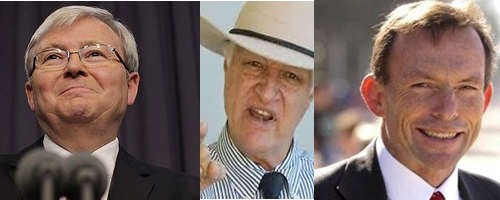
Election
2013- take 2
|
|
|
|
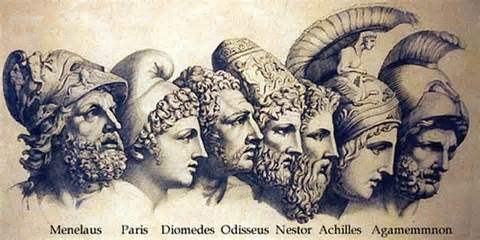
Turkey
Unrest 2013
|
|
|
|
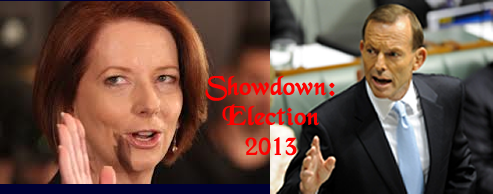
Election
2013
|
|
|
|
World
News 2013
|

|
|
|
Serialised
story of the greates ship of her time and
|

|
|
|
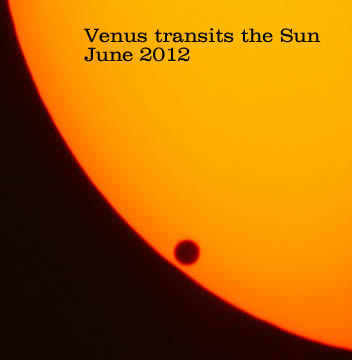
Venus
transits the Sun
|

|
For all your horoscopes, we recommend Ed Tamplin's excellent astrology site.

|
Astrology Oz is best viewed using firefox, screen resolution 1280x1024, macromedia flash enabled.
Firefox - the only browser that gives total control over web browsing, see what you want to see - download firefox

© AstrologyOz 2014
All articles and images on this site are subject to copyright and may not be copied, stored or modified in any way.
AstrologyOz - designed and maintained by Sherrynne Dalby