
Welcome to AstrologyOz
Apologies to all those who rely on this resource.. I have had major server issues which are now hopefully fully resolved.... after 4 months... I will be updating everything over the next week .... so thanks for your patience :)
|
|
|
World
News 2014
|

|
All your planetary data for 2014 is here now Planetary stations , Void of Course Moon , Moon phases and Planet Ingresses for 2014 plus Moon Planting Guide |

|
Jan - April 2014 Planting Guide
,
plus 2014 Moon phases,Planet Ingresses and retrogrades,
|
Mars Retrograde In Leo And Children’s Education In 2025Astrology can offer a symbolic language for observing motivation, confidence, frustration and changing priorities. It should not replace educational assessment, developmental advice or conversations with teachers. For families, the 2025 Mars retrograde in Leo is best used as a reflective framework rather than a fixed prediction about a child’s results. Mars is associated with energy, initiative and competition, while Leo relates to creativity, visibility, play and the desire to feel appreciated. When Mars appears to move backwards through Leo, these themes may become less direct. A child who usually enjoys the spotlight may become hesitant, or a quiet student may suddenly want recognition on their own terms. The Leo phase runs from early January until Mars returns to direct motion in Cancer on 23 February 2025. This overlaps with the start of the Australian school year, when children are adjusting to new classrooms, uniforms, teachers, routines and friendship groups. Timing matters in Australia. Term One begins in late January across many states, and NAPLAN preparation and testing arrive soon afterwards. Families in Sydney, Melbourne, Brisbane, Perth and regional communities may therefore notice the symbolism during a particularly busy period of educational transition. The Astrological TimingMars entered its retrograde cycle in December 2024 and moved back into Leo in January 2025. The Leo portion can draw attention to performance, confidence and the way a child responds when their work is displayed or judged. A student may revisit an old interest, return to an unfinished project or reconsider how they want to participate. This does not mean every child will struggle. A retrograde period can provide useful space for revision, rehearsal and rebuilding skills. Rather than pushing for immediate achievement, parents and educators can observe where effort is flowing naturally and where a child is spending energy defensively. Leo Themes In LearningLeo symbolism often connects with storytelling, drama, art, sport, leadership and imaginative play. In the classroom, this might correspond with a stronger response to presentations, creative writing, music, design or group activities where personal expression is visible. The less comfortable side can involve embarrassment, pride or sensitivity to criticism. A child may avoid reading aloud after one difficult experience, become upset when a drawing is corrected or compete intensely with classmates. Calm feedback and private encouragement are likely to be more useful than public comparisons. Confidence And Classroom BehaviourMars retrograde in Leo may describe stop-start motivation. A child could appear enthusiastic about a project on Monday and resistant to it later in the week. This pattern may reflect tiredness, social concerns, perfectionism or uncertainty about expectations rather than laziness. Parents can look for the difference between unwillingness and overwhelm. Breaking homework into short stages, offering two acceptable choices and praising persistence can help a child regain agency. Teachers may support the same process by allowing rehearsal before a presentation or giving feedback away from the whole class. The Australian School-Year ContextThe timing is significant because many Australian children begin a new academic year while Mars is retracing its path through Leo. New school shoes, book packs, transport arrangements and after-school activities can make the first weeks feel highly visible and demanding. A child moving from primary to high school may need time to establish confidence before being expected to perform.
The Australian tutoring market can add pressure, particularly when families consider reading programs, private maths lessons or exam preparation. Extra support may be valuable, but adding more performance demands is not always the answer. During this period, a balanced routine that includes outdoor activity, sleep and unstructured play may protect learning capacity. Motivation Without PressureMars in Leo wants to feel that effort has meaning. Children may respond well when a task connects with a personal interest, such as using football statistics for mathematics, writing about a favourite Australian animal or creating a presentation about a local community. These approaches can make practice feel purposeful without turning every activity into a contest. Rewards should be used thoughtfully. Recognition for concentration, problem-solving and returning to a difficult task is more sustainable than praising only high marks. Families can create a simple weekly reflection: what felt enjoyable, what felt difficult and what deserves another attempt. Different Charts, Different ChildrenAstrology should never be used to label a child as dramatic, aggressive or destined to underachieve. A birth chart is interpreted through many factors, and real behaviour is shaped by temperament, health, family circumstances, culture, teaching quality and relationships. Even within one family, siblings can experience the same transit very differently. It is also wise to understand which zodiac framework an astrologer is using. Families comparing resources can consult this Australian zodiac guide before drawing conclusions from a chart. The most useful interpretation is one that encourages observation, compassion and practical support. Supportive Family PracticesThe following approaches can translate the symbolism into ordinary educational care:
These practices are useful whether or not a family follows astrology. They acknowledge that confidence grows through safe repetition, respectful feedback and manageable challenges. They also leave room for professional support if anxiety, withdrawal, anger or learning difficulties continue. Mars eventually moves forward, but the lessons of its retrograde phase can remain valuable. A child may discover that leadership is not the same as being the loudest person, that revision is part of creativity and that asking for help is a form of strength. Use the 2025 planetary cycle as a prompt to notice what helps each child feel capable. Pair astrological reflection with reliable school communication, evidence-based learning support and plenty of encouragement as Australian students settle into the year. |
|
|
|
Benedict
XVI resigns 2013
|

|
|
|
Election
2013- take 2
|

|
|
|
Turkey
Unrest 2013
|
|
|
|
Election
2013
|

|
|
|
World
News 2013
|

|
|
|
Serialised
story of the greates ship of her time and
|

|
|
|
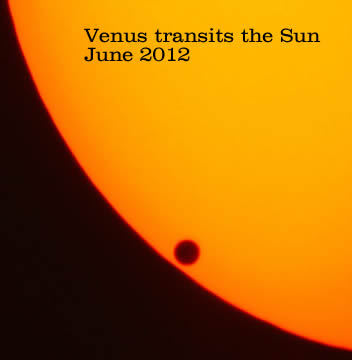
Venus
transits the Sun
|

|
For all your horoscopes, we recommend Ed Tamplin's excellent astrology site.

|
Astrology Oz is best viewed using firefox, screen resolution 1280x1024, macromedia flash enabled.
Firefox - the only browser that gives total control over web browsing, see what you want to see - download firefox

© AstrologyOz 2014
All articles and images on this site are subject to copyright and may not be copied, stored or modified in any way.
AstrologyOz - designed and maintained by Sherrynne Dalby