
Welcome to AstrologyOz
Apologies to all those who rely on this resource.. I have had major server issues which are now hopefully fully resolved.... after 4 months... I will be updating everything over the next week .... so thanks for your patience :)
|
|
|
World
News 2014
|
|
All your planetary data for 2014 is here now Planetary stations , Void of Course Moon , Moon phases and Planet Ingresses for 2014 plus Moon Planting Guide |

|
Jan - April 2014 Planting Guide
,
plus 2014 Moon phases,Planet Ingresses and retrogrades,
|
Astrology of Australia’s 2025 Federal ElectionThe 2025 Australian federal election on 3 May put all 150 House of Representatives seats before voters, with Anthony Albanese and Peter Dutton leading the major campaigns. The astrology of the 2025 Australian federal election offers a symbolic lens on leadership, public responsibility and the nation’s competing priorities. This is a symbolic reading, not a claim that celestial positions cause a result. It draws on an election-day chart set in Canberra, outer-planet ingresses, the waning lunar cycle and practical features of voting in Australia. Read alongside official campaign material and district-level results, the chart offers a way to examine rhetoric, collective pressure and emotional timing. That combination is more useful than treating a zodiac sign as a partisan verdict. Election Day Under Taurus and GeminiAt 7 am, when most polling places opened, the Canberra chart had the Sun in Taurus and Gemini rising, joining a call for material security with the speed and restlessness of political messaging. Taurus foregrounds budgets, housing and the household economy; Gemini keeps attention on negotiation, media exchange and rapid change. The full Moon fell in the small hours of 3 May across Australia. Polling therefore unfolded during a waning gibbous Moon, moving from late Virgo into Libra, a symbolic finale in which scrutiny gives way to compromise, bargaining and the formation of government. This does not make the outcome inevitable. It suggests a contest between wanting stability and needing to redistribute or reform the structures that shape stability, a tension likely to be sharper than the neat slogans used during the campaign. Outer Planets and the Institutional StoryThe outer planets supply the longer arc. Pluto in Aquarius evokes reform in institutions and collective power; Neptune’s ingress into Aries at the end of March adds idealism and a potentially combustible edge to political dreams. Saturn remains in Aquarius on election day and enters Pisces later that month, so structural responsibility remains active while the social-policy emphasis begins to change. Uranus in Taurus keeps economic reform in view, and Jupiter in Taurus reinforces questions of value, food, housing and land. For Australia, those symbols map naturally onto cost-of-living debates, infrastructure, regional development and the use of public resources. They are thematic prompts, not partisan forecasts. Campaign Energy After the RetrogradeMars turns direct after its January-to-April retrograde, giving the final campaign a push rather than a prolonged stall. Mercury is direct in late Taurus, where measured statements about prices and security can travel well, while Mars in Cancer keeps services, family and emotional security close to the message. Sydney and Melbourne dominate much of the national campaign stage, but Brisbane’s suburban marginals offer a revealing test of whether those messages travel beyond metropolitan media markets. Voters absorb contradictory claims under pressure; the linked idea of emotional cycles can prompt attention to fatigue and stress without turning astrology into a medical forecast. Houses and the Australian Political LandscapeFor local political meaning, the Australian house framework places public leadership, home and land, institutions and collective wellbeing within an Australian setting, while the first and tenth houses frame the leader and the authority seen by the public. The fourth-to-tenth-house axis is especially useful. It links household concerns to national government: a housing pitch made in western Sydney meets a policy developed in Canberra, while a regional service promise travels through local papers, radio and market-town meetings. Houses organise attention; they do not assign identical motives to every electorate. Lunar Rhythms Across Australian Polling DayLunar timing adds a shared rhythm without erasing local difference. Perth voters began polling in a different time zone from the eastern capitals, yet the same full Moon marked the Australian night. The lunar chart therefore speaks to a common transition from campaign intensity into decision, not to a uniform emotional state. Birth data and lived circumstances still shape how that transition is felt, as discussed in moon-sign cycles and related lunar material on AstrologyOz. The election morning is recognisably Australian: a democracy sausage turning on a barbecue, milk-bar coffee, neighbours queuing with prams, and a result watched before Sydney markets open on Monday. Reading the Result Through the ChartThe clearest evidence for interpreting the result remains electoral data: swings in marginal seats, the balance of parties in the House and Senate, the influence of independents, and differences between metropolitan and regional electorates. Symbols can organise reflection on those outcomes, but they cannot replace booth-level counts or candidate records. A sound reading would compare the symbolic themes with what voters actually rewarded. Equity markets and the Australian dollar may react to uncertainty, while campaign narratives reveal which local concerns mattered most. The framework below keeps those checks beside the astrology.
A Grounded Guide to Election AstrologyThe most responsible way to use election astrology is as a structured prompt for attention, never as a seat forecast. It can help a reader notice a dominant theme, question a campaign claim or reflect on the emotional atmosphere around voting, provided official information remains the source of electoral facts.
Carry that discipline into the next federal ballot: verify your options, encourage an eligible neighbour, read the local candidate material and make your vote count. Whatever the sky contributes, the choice that ultimately shapes Australian government is made by people at the polls. |
|
|
|
Benedict
XVI resigns 2013
|

|
|
|
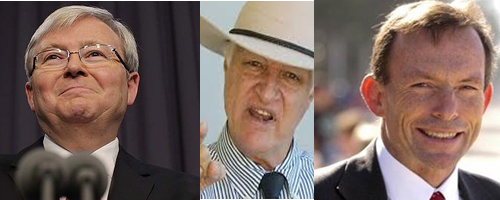
Election
2013- take 2
|
|
|
|
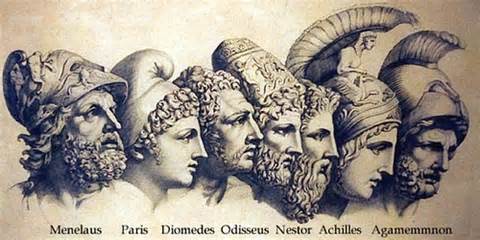
Turkey
Unrest 2013
|
|
|
|
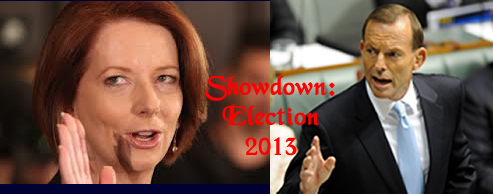
Election
2013
|
|
|
|
World
News 2013
|

|
|
|
Serialised
story of the greates ship of her time and
|

|
|
|
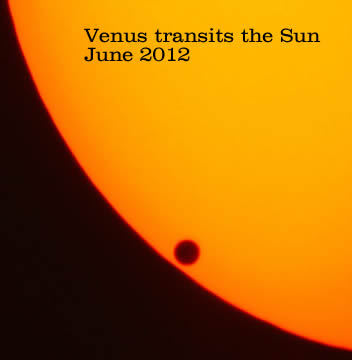
Venus
transits the Sun
|

|
For all your horoscopes, we recommend Ed Tamplin's excellent astrology site.

|
Astrology Oz is best viewed using firefox, screen resolution 1280x1024, macromedia flash enabled.
Firefox - the only browser that gives total control over web browsing, see what you want to see - download firefox

© AstrologyOz 2014
All articles and images on this site are subject to copyright and may not be copied, stored or modified in any way.
AstrologyOz - designed and maintained by Sherrynne Dalby