
Welcome to AstrologyOz
Apologies to all those who rely on this resource.. I have had major server issues which are now hopefully fully resolved.... after 4 months... I will be updating everything over the next week .... so thanks for your patience :)
|
|
|
World
News 2014
|

|
All your planetary data for 2014 is here now Planetary stations , Void of Course Moon , Moon phases and Planet Ingresses for 2014 plus Moon Planting Guide |

|
Jan - April 2014 Planting Guide
,
plus 2014 Moon phases,Planet Ingresses and retrogrades,
|
Using lunar phases to plan social media contentLunar phases can provide a simple rhythm for organising social media content without turning an editorial calendar into a rigid rulebook. The new moon, first quarter, full moon and last quarter each offer a different symbolic mood, which can help you vary topics, formats and calls to action across the month. For an Australian audience, timing matters as much as symbolism. A moon phase may occur during the evening in Perth but in the early morning for Sydney or Melbourne, while daylight saving changes the gap between eastern and western audiences. Check the exact local time before building a campaign around a particular lunation. This approach works best when lunar astrology supports good content practice rather than replacing it. Use analytics, audience needs, seasonal events and platform behaviour alongside the moon cycle. A helpful starting point is to keep a content journal that records the phase, your post type, publication time and audience response. Read the lunar cycle as an editorial rhythmThe new moon suits content about intention, planning and fresh starts. You might publish a monthly theme, announce a new series, introduce a product direction or invite followers to set a personal goal. Educational posts can explain the meaning of a sign or house, while a short video can offer a practical ritual for beginning the month. As the moon waxes, energy traditionally builds. The first quarter is useful for momentum: publish a how-to carousel, share progress from behind the scenes or ask followers to vote on an upcoming topic. If you want to explore how different life areas can be interpreted, this Australian houses guide can provide context for more locally relevant astrology content. The full moon can support visibility, reflection and community conversation. Use it for a live session, a case study, a milestone post or a roundup of audience contributions. The waning moon then creates space for review, FAQs, testimonials and quieter evergreen material before the next cycle begins. Match phases to audience behaviourLunar planning should reflect what people are actually doing. Australians often check social media during a morning commute, lunch break or evening wind-down, but those habits vary between a CBD professional in Sydney, a student in Brisbane and a family in regional South Australia. Test a few posting windows instead of assuming that a moon phase automatically determines engagement. Time-sensitive posts should be scheduled in Australian Eastern, Central or Western time according to where your followers live. If your audience is concentrated in Melbourne and Canberra, daylight saving in summer may affect publishing times; Western Australia will not shift its clocks. Record the phase in local time and note whether it falls on a weekday, payday, public holiday or weekend. Be especially careful with spiritual or wellbeing claims. Frame astrology as a reflective practice, avoid presenting predictions as medical or financial advice, and disclose paid partnerships clearly. If you collect email addresses or personal information through competitions, forms or direct messages, review your obligations under Australian privacy requirements and the Spam Act. Build a practical lunar calendarA monthly schedule can combine symbolic timing with ordinary editorial priorities. Give each phase a primary purpose, then assign a format and a measurable outcome. This prevents every post from becoming a vague horoscope and makes the plan useful for an astrology website, local business or personal brand.
Plan around the real Australian calendar as well. A full moon campaign may compete with the Melbourne Cup period, school holidays, an AFL finals weekend or major breaking news. World events and election coverage can also change audience attention quickly, so retain space for responsible, timely updates rather than scheduling every post weeks ahead. A spreadsheet can include the phase date, sign, local time, platform, caption angle, visual asset, accessibility text and result. Add a note about whether the moon was visible at the intended posting time; this can help if you are creating location-based content for coastal audiences, rural communities or stargazing followers. Turn phases into useful content formatsThe best lunar content gives followers something practical to do, save or discuss. Instead of posting a generic phrase about “energy,” connect the phase with a clear action and an audience problem. A creator might use the new moon to map a project, the first quarter to explain a skill, the full moon to showcase progress and the waning phase to simplify a routine. For a reflective brand, an inner work resource can inspire prompts about values, boundaries or personal habits without forcing every post into a prediction. Keep the language inclusive: followers may enjoy astrology symbolically, culturally or as a creative planning tool.
Vary the format so the cycle does not become repetitive. A short Reel may suit a quick phase update, while a carousel can explain planetary terminology. Stories are useful for polls and informal check-ins, and longer captions can hold nuanced commentary about retrogrades, houses or changing social conditions.
Review results and refine timingAfter two or three lunar cycles, compare posts by phase, platform and audience location. Look for patterns rather than isolated successes. A full moon post may receive high reach but few saves, while a quiet last-quarter checklist may produce valuable repeat visits. Both outcomes can be useful if they match the purpose of the content. Retrograde periods can become another planning layer, but avoid treating them as automatic reasons to stop publishing. Use this retrograde tracking guide to check dates, then decide whether a review, correction or republishing workflow makes sense for your audience. Clear explanations are more valuable than dramatic warnings. Keep a record of captions, visuals, phase details and performance notes. Over time, you may find that your followers respond best to practical new-moon planning, full-moon community stories or educational posts during waning phases. Let those findings shape the next calendar while leaving room for important Australian news, cultural events and audience needs. Choose the next lunar cycle, assign each phase a clear content purpose and publish one useful piece at every stage. Track the response in local time, refine the rhythm and let the data strengthen your astrology-led editorial planning. |
|
|
|
Benedict
XVI resigns 2013
|

|
|
|
Election
2013- take 2
|

|
|
|
Turkey
Unrest 2013
|
|
|
|
Election
2013
|

|
|
|
World
News 2013
|

|
|
|
Serialised
story of the greates ship of her time and
|

|
|
|
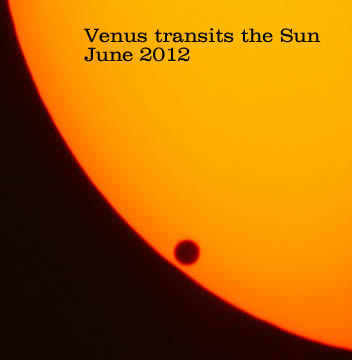
Venus
transits the Sun
|

|
For all your horoscopes, we recommend Ed Tamplin's excellent astrology site.

|
Astrology Oz is best viewed using firefox, screen resolution 1280x1024, macromedia flash enabled.
Firefox - the only browser that gives total control over web browsing, see what you want to see - download firefox

© AstrologyOz 2014
All articles and images on this site are subject to copyright and may not be copied, stored or modified in any way.
AstrologyOz - designed and maintained by Sherrynne Dalby